
Table of contents
- Begin with the Skies: Why I Recommend Flying with Vietnam Airlines
- Practical Essentials: Money, Visas, and Getting Around
- Hanoi: The Timeless Capital
- Where to Stay
- What to see:
- Hoan Kiem Lake & Ngoc Son Temple
- St. Joseph’s Cathedral
- Ba Da Pagoda (Chùa Bà Đá)
- The Old Quarter
- Train Street – A Hanoi Icon
- Temple of Literature
- Hoa Lo Prison (“Hanoi Hilton”)
- Water Puppet Theatres
- West Lake (Hồ Tây)
- Trấn Quốc Pagoda
- Quán Thánh Temple
- Presidential Palace
- Ho Chi Minh’s Stilt House
- One Pillar Pagoda (Chùa Một Cột)
- French Quarter (Khu Pháp) – Hanoi’s Elegant Colonial Heart
- Getting Around Hanoi
- What and Where to Eat in Hanoi
“Hanoi is a city of the past, the present, and the future all at once.” Lonely Planet
Begin with the Skies: Why I Recommend Flying with Vietnam Airlines
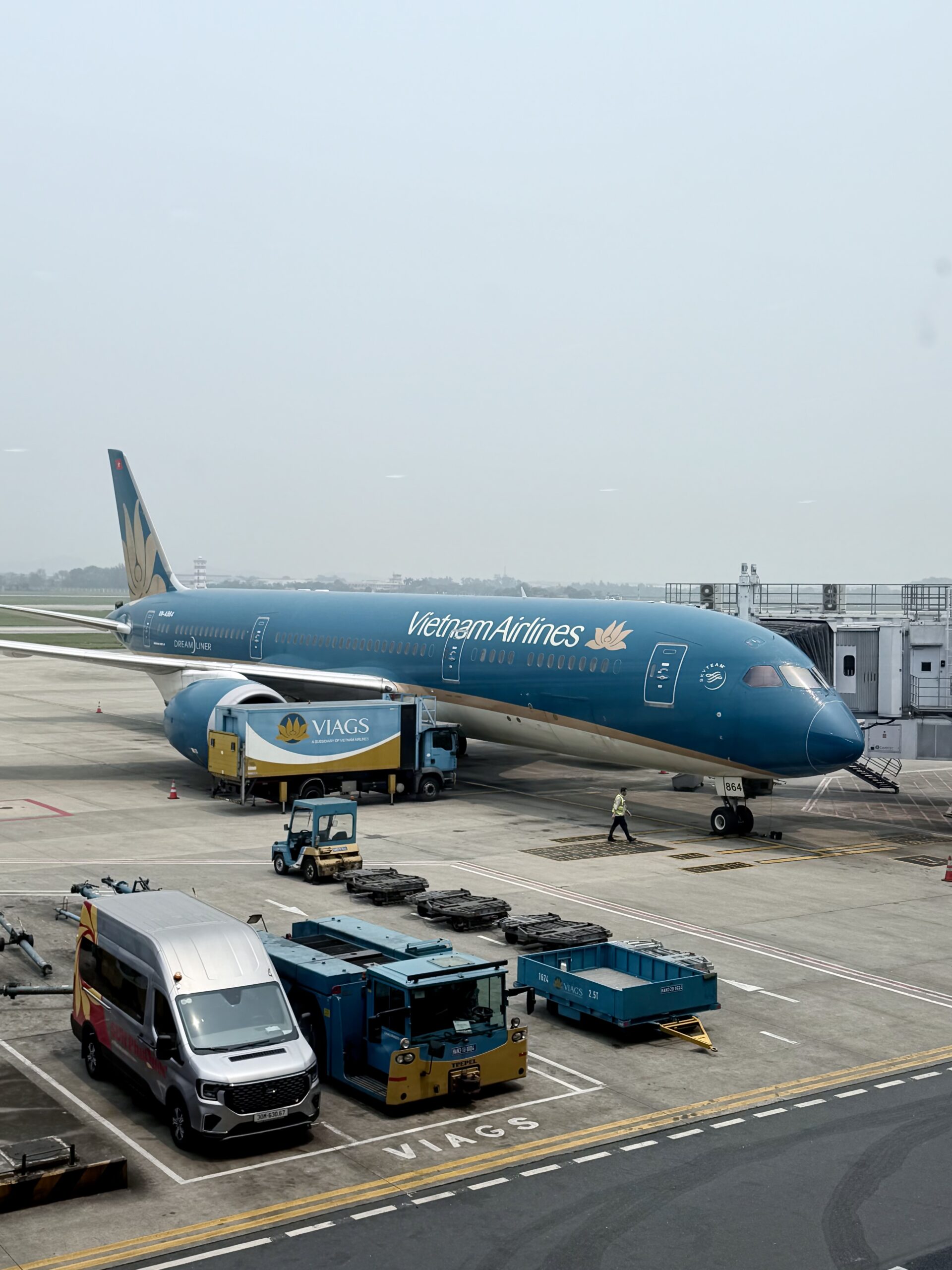
Before you even set foot on Vietnam’s vibrant soil, your journey begins in the clouds. If you’re considering how to arrive in style and comfort, let me wholeheartedly recommend Vietnam Airlines. My own experience confirms that this carrier offers a blend of professionalism, warmth, and efficiency that sets the tone for your entire adventure.
From the moment you board, the cabin crew’s respectful and attentive service stands out. Whether you’re in economy or business class, staff are quick to help, always with a genuine smile. The in-flight meals, while occasionally variable in quality, are generally generous and flavourful, with both Vietnamese and international options. Drinks flow freely, and the in-flight entertainment is extensive enough to make even long-haul flights pass quickly.
What truly elevates Vietnam Airlines is the sense of hospitality – the crew’s willingness to accommodate dietary needs, and the overall feeling that you are a valued guest. Delays and occasional hiccups can happen (as with any airline), but the professionalism and warmth of the staff consistently shine through. For a seamless, welcoming start to your Vietnamese journey, Vietnam Airlines is my top pick.

Practical Essentials: Money, Visas, and Getting Around
Currency, Cash, and Tipping
Vietnam’s official currency is the Vietnamese Dong (VND). You’ll quickly become a millionaire here – 1 USD is roughly 25,000–26,000 VND. The most common notes are 10,000, 20,000, 50,000, 100,000, 200,000, and 500,000 VND. Cash is king for street food, markets, taxis, and small shops, though cards are accepted at hotels, upscale restaurants, and larger stores.
ATMs are everywhere in major cities and tourist areas. Withdraw larger amounts to minimize fees, and always choose to be billed in VND at the ATM for the best exchange rate. Carry about 1–2 million VND (40–80 USD) in cash for daily expenses, and keep smaller bills handy for tips and small purchases.
Tipping is not mandatory but is appreciated in tourist areas. For guides, 100,000–200,000 VND per day is standard; for drivers, 50,000–100,000 VND. In restaurants, rounding up or leaving small change is common. Hotel porters and housekeeping appreciate small tips but do not expect them.
Visas and Entry
For many nationalities, including UK citizens, Vietnam offers a 45-day visa-free stay for tourism or short business. Your passport must be valid for at least six months and have two blank pages. For longer stays or multiple entries, a 90-day e-visa is available online for a modest fee. Always check the latest requirements before travel, as rules can change.
SIM Cards and Connectivity
A local SIM card is invaluable for navigation, translation, and ride-hailing apps. Viettel offers the best coverage, especially in rural areas. A month’s data package (2–4GB/day) costs about 250,000–350,000 VND (10–14 USD). Buy at official stores in the city for the best rates and support.
Domestic Transport: Planes, Trains, Buses, and Grab
Vietnam is long and slender, so you’ll likely use a mix of transport:
- Domestic flights (Vietnam Airlines, Bamboo Airways, VietJet) are fast and affordable for long distances (e.g., Hanoi to Da Nang or Ho Chi Minh City). Book early for the best fares.
- Trains (the Reunification Express) offer scenic journeys, especially along the coast, but are slower than flights.
- Sleeper buses are cheap and connect most cities, but can be cramped.
- Grab (the Southeast Asian Uber) is the easiest way to get around cities – book cars or motorbikes via the app, pay in cash or by card, and avoid haggling.
Weather and When to Visit: Timing Your Adventure
Vietnam’s climate is as diverse as its landscapes. The best time to visit depends on your route:
- North (Hanoi, Sapa, Ha Long Bay): March – April (spring) and September – November (autumn) offer mild temperatures and clear skies – ideal for trekking and cruising.
- Central (Hoi An, Da Nang): February – May is dry and sunny, perfect for beaches and exploring ancient towns. Avoid October – November, when typhoons and heavy rains can disrupt travel.
- South (Ho Chi Minh City): December – April is dry and warm, with minimal rain. May – November brings afternoon downpours but rarely disrupts sightseeing.
March – April is the sweet spot for a north-to-south journey, balancing good weather across all regions.
You may also notice periods of smog and reduced visibility, especially in major cities like Hanoi. This typically happens during the cooler months (December – March), when temperature inversion traps pollution and fine dust close to the ground. Industrial activity, traffic, and seasonal agricultural burning in surrounding provinces can intensify the haze. Clear blue skies are far more common from late April to September, when warmer temperatures and stronger winds help disperse the smog – a useful consideration if you’re planning photography or outdoor sightseeing.
Hanoi: The Timeless Capital
Where to Stay
Proverb Hotel Hanoi
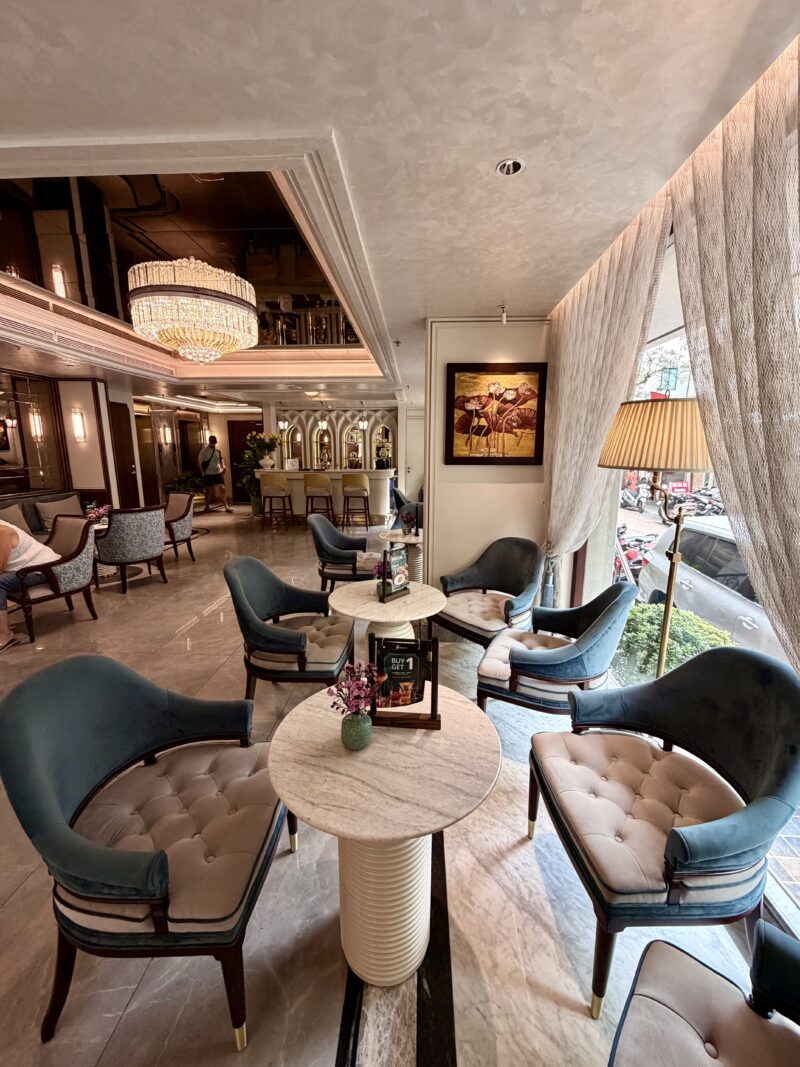
Set in the heart of the Old Quarter, Proverb Hotel Hanoi is a boutique sanctuary that blends contemporary design with refined Asian craftsmanship. Its unbeatable location places you within walking distance of Hoan Kiem Lake, the Old Quarter’s historic guild streets, and countless cafés. Rooms are stylish, serene, and thoughtfully designed, while the rooftop pool and bar offer sweeping views of the city. The staff are exceptional – warm, attentive, and genuinely committed to making your stay memorable.
Proverb sits comfortably in the upper‑midrange to boutique‑luxury category in Hanoi. Depending on the season, room rates typically range from £70–£130 per night, offering excellent value for the level of comfort, service, and design. The hotel also features an elegant in‑house restaurant serving Vietnamese and Asian‑fusion dishes, along with a chic rooftop bar perfect for sunset cocktails or a quiet nightcap above the city’s bustle.
For comfort, style, and heartfelt hospitality, this is my top recommendation in Hanoi – a place that feels both intimate and indulgent, and the perfect base for exploring the city’s historic heart.


Lotte Hotel Hanoi
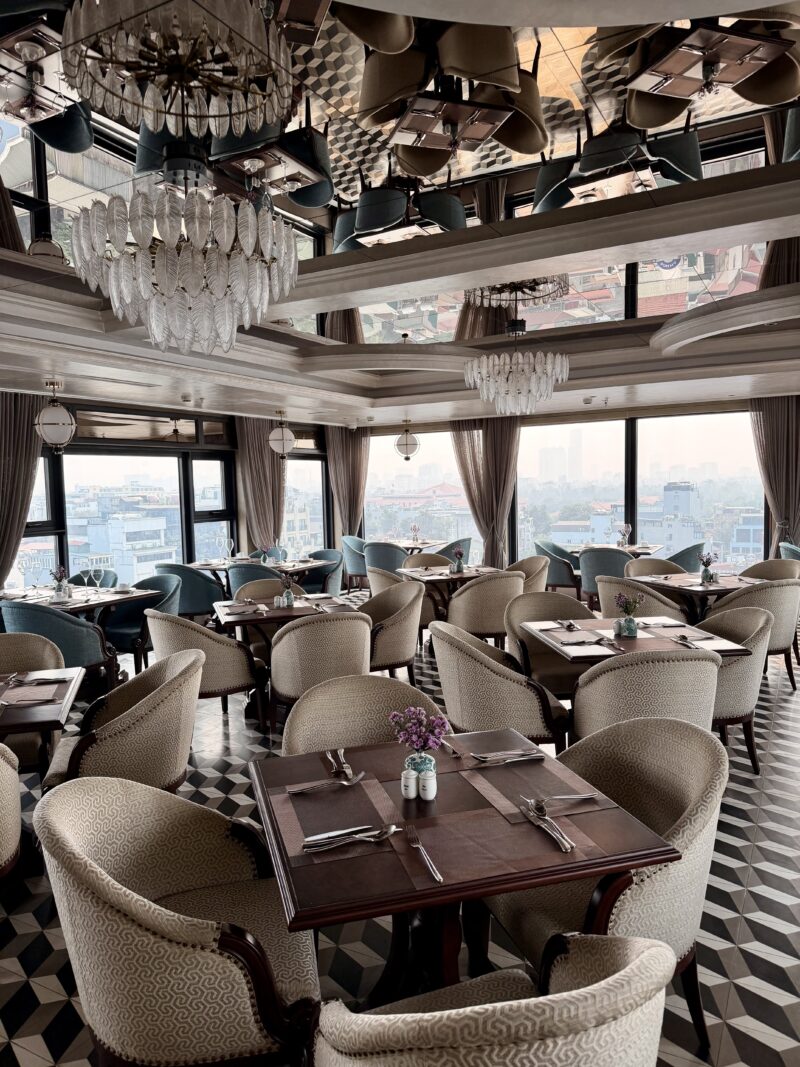
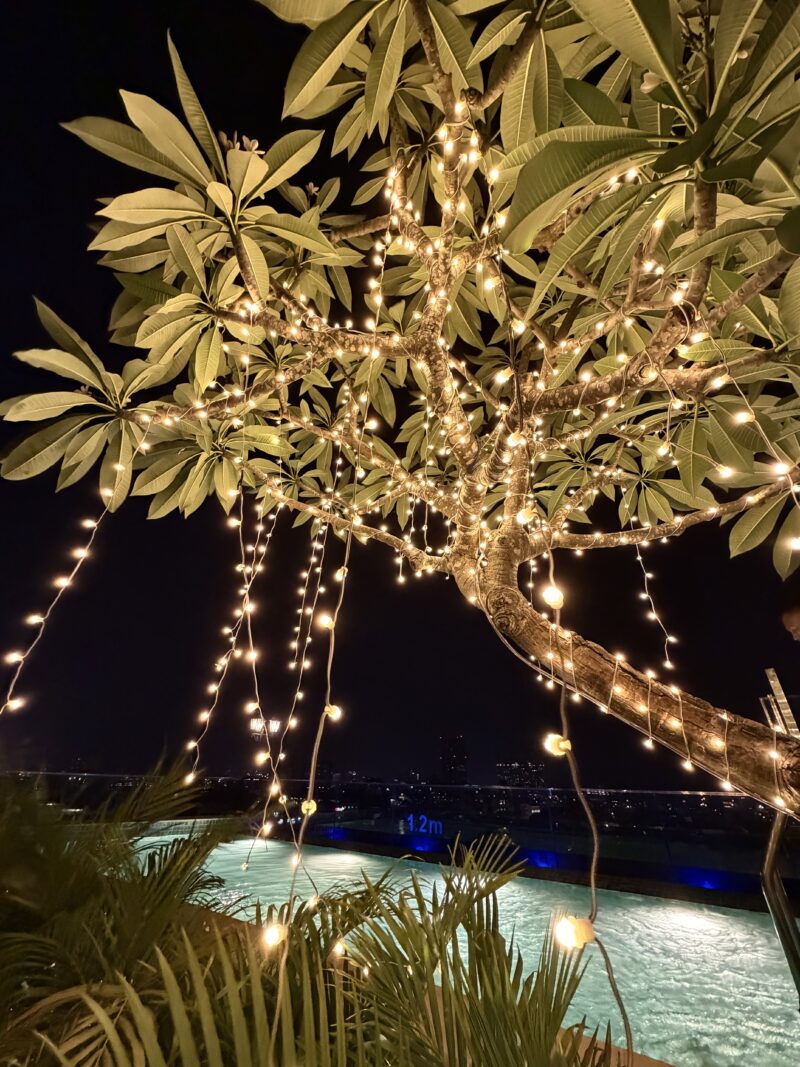
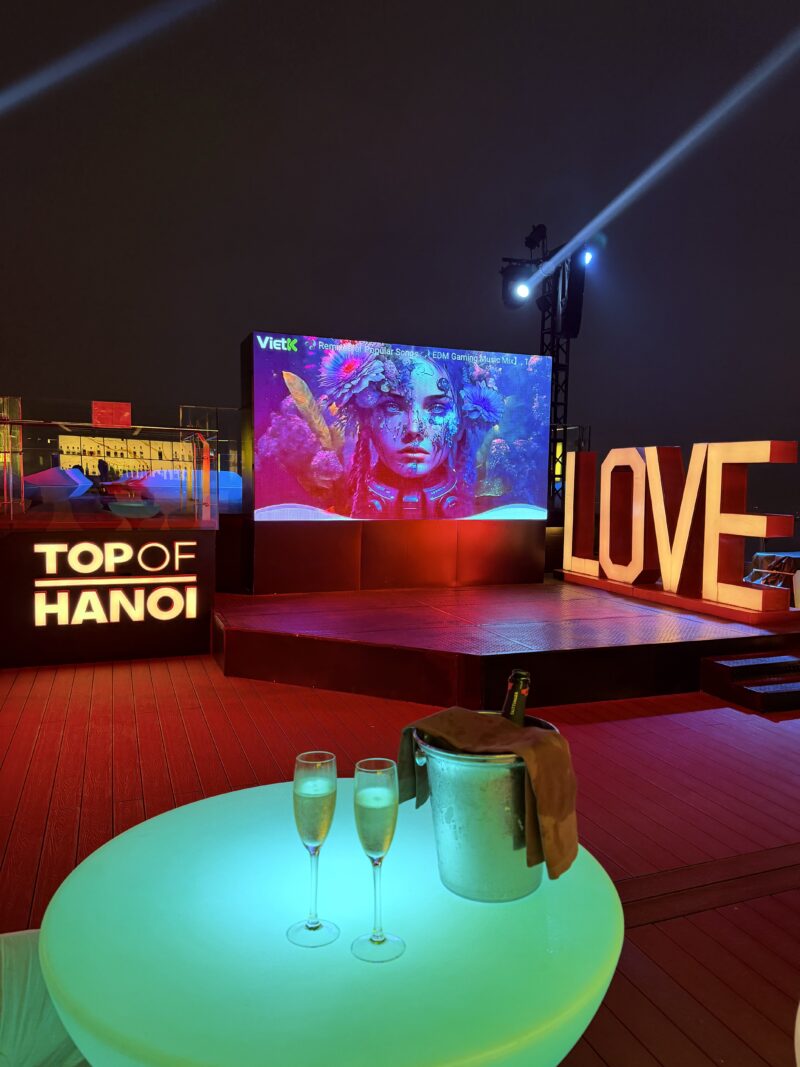
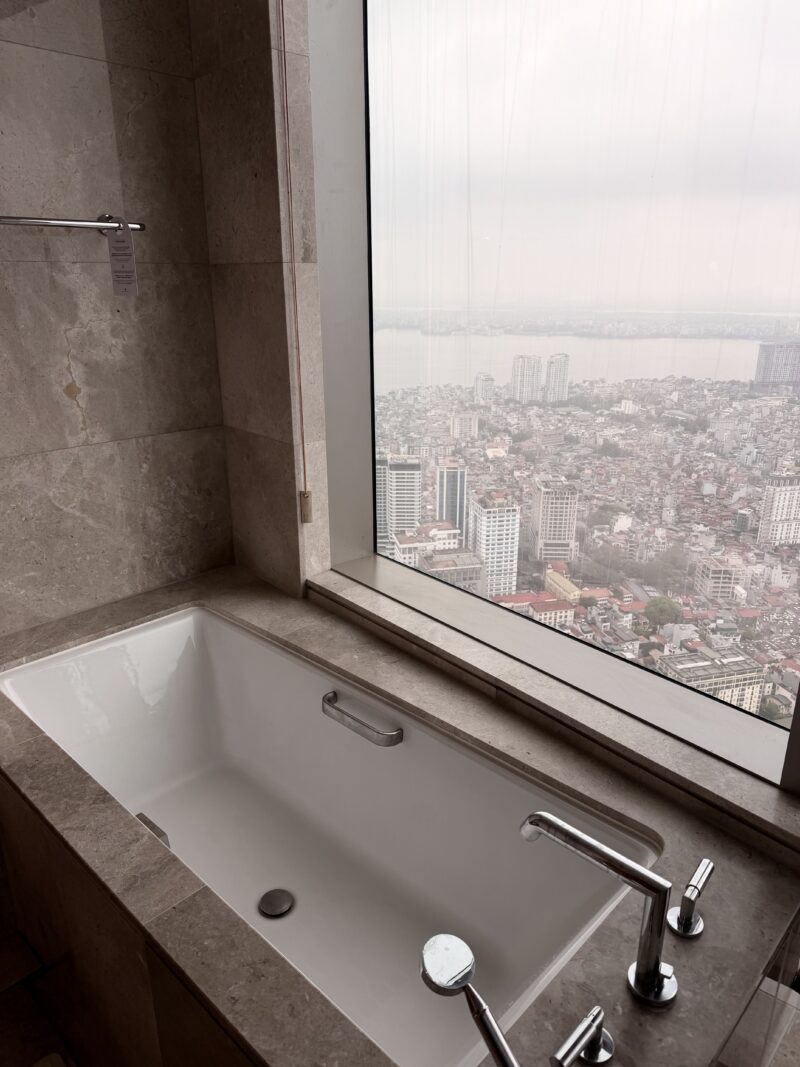
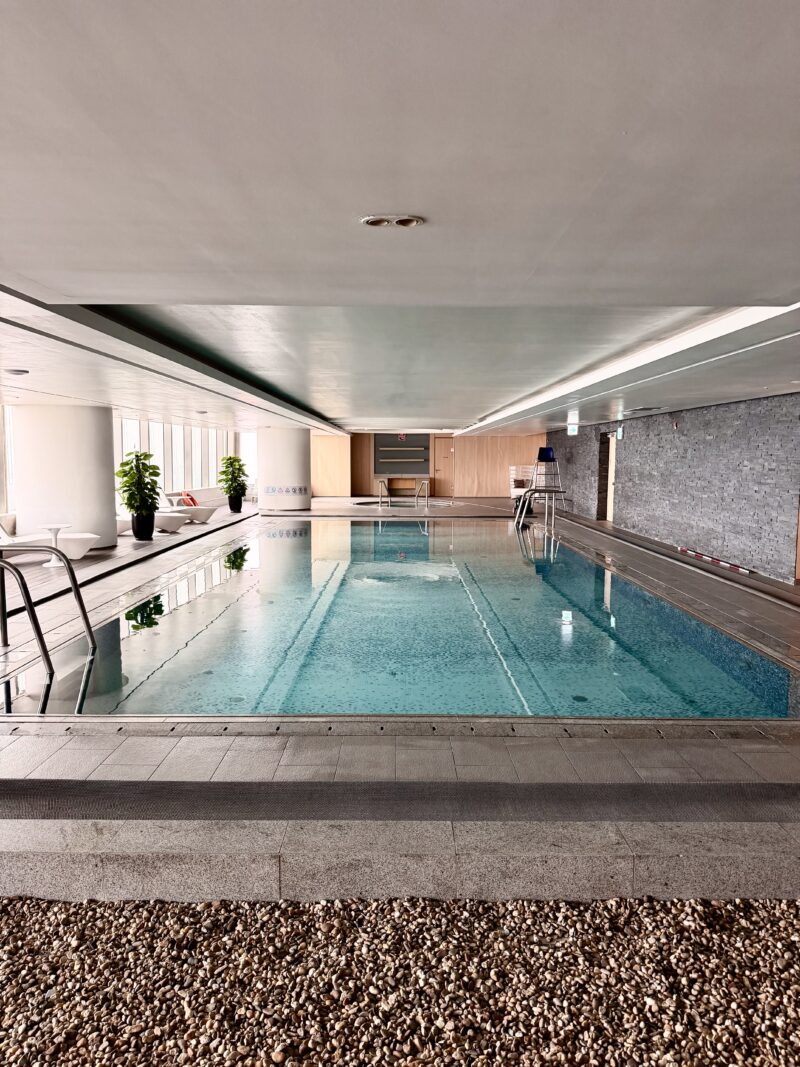
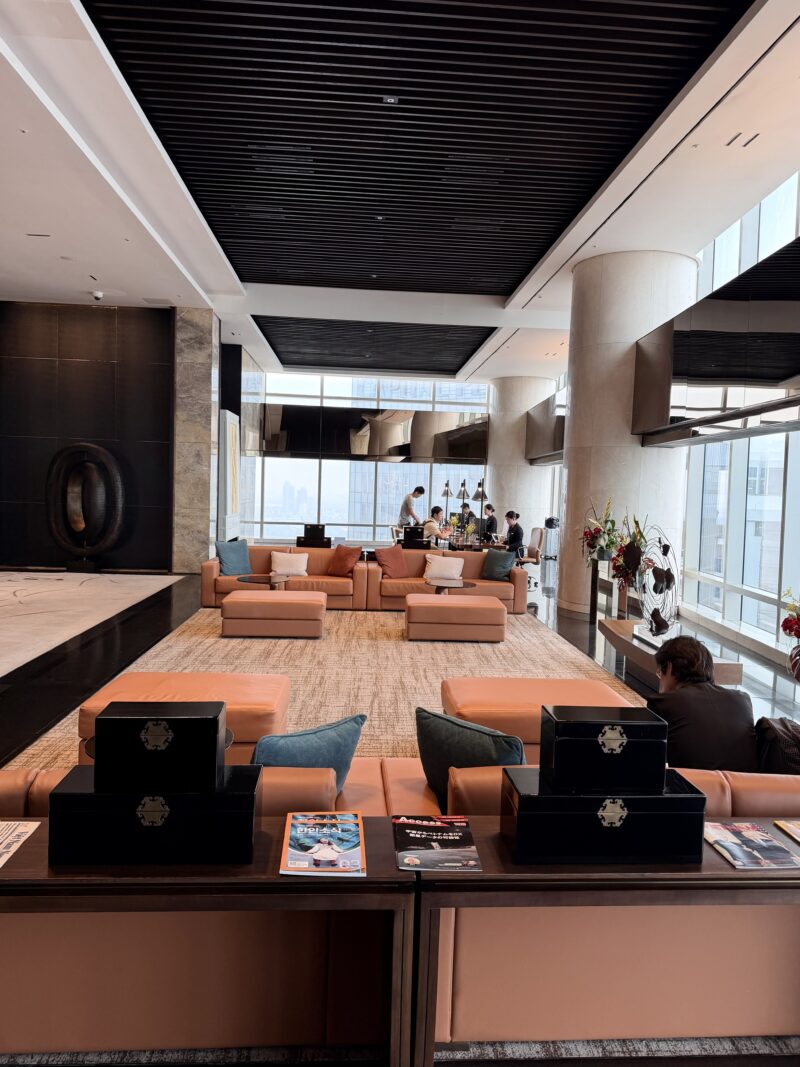
Lotte Hotel Hanoi blends polished luxury with a sense of calm above the city, making it one of the most compelling places to stay in Vietnam’s capital. Perched between the historic Old Quarter and the serene West Lake, it offers spacious rooms, refined dining, and an atmosphere that feels both modern and warmly attentive. Its crown jewel is Top of Hanoi, the hotel’s open‑air rooftop bar, where sweeping 360‑degree views transform the skyline into a glittering panorama – perfect for sunset cocktails or a late‑night moment above the bustle. For travellers who want elegance, comfort, and a front‑row seat to Hanoi’s most breathtaking vistas, Lotte Hotel Hanoi delivers beautifully.


What to see:
Hoan Kiem Lake & Ngoc Son Temple
Address: Đinh Tiên Hoàng, Hoàn Kiếm
Entry: 30,000 VND
Best time: Early morning or sunset
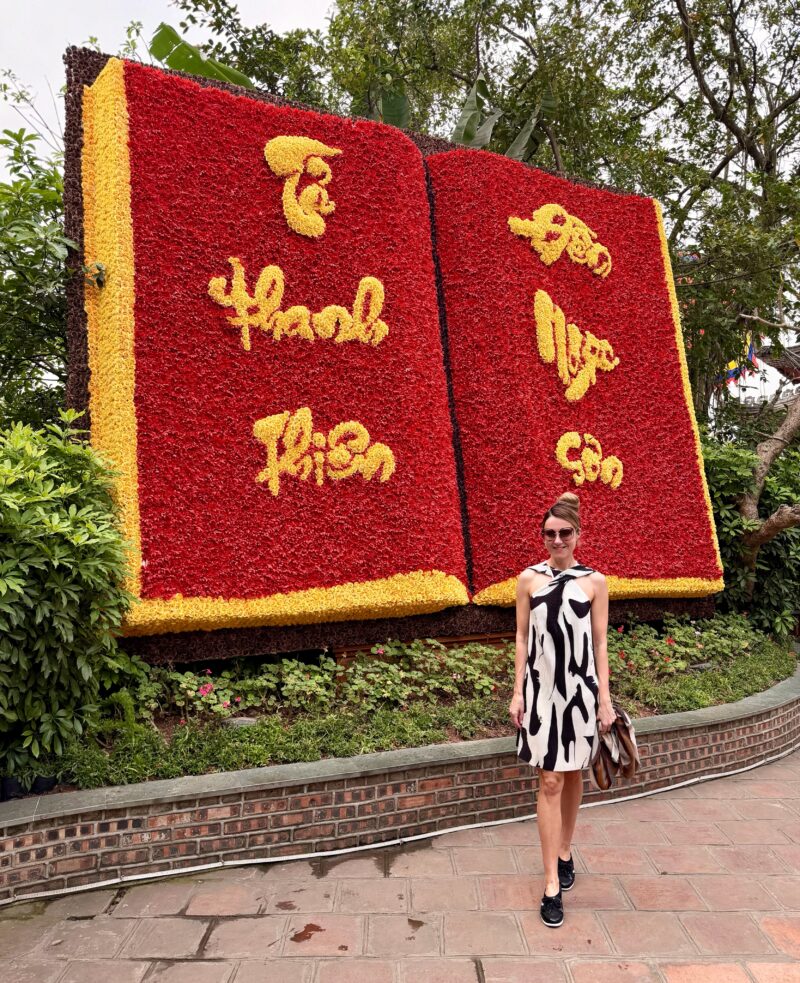
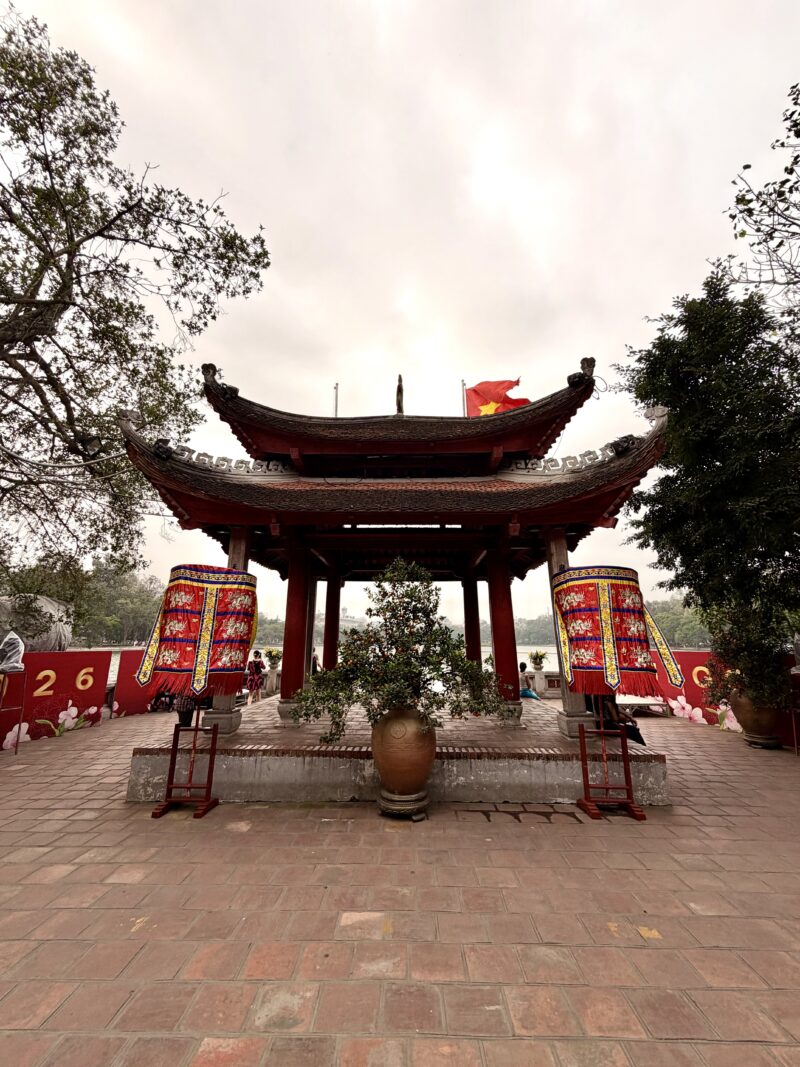
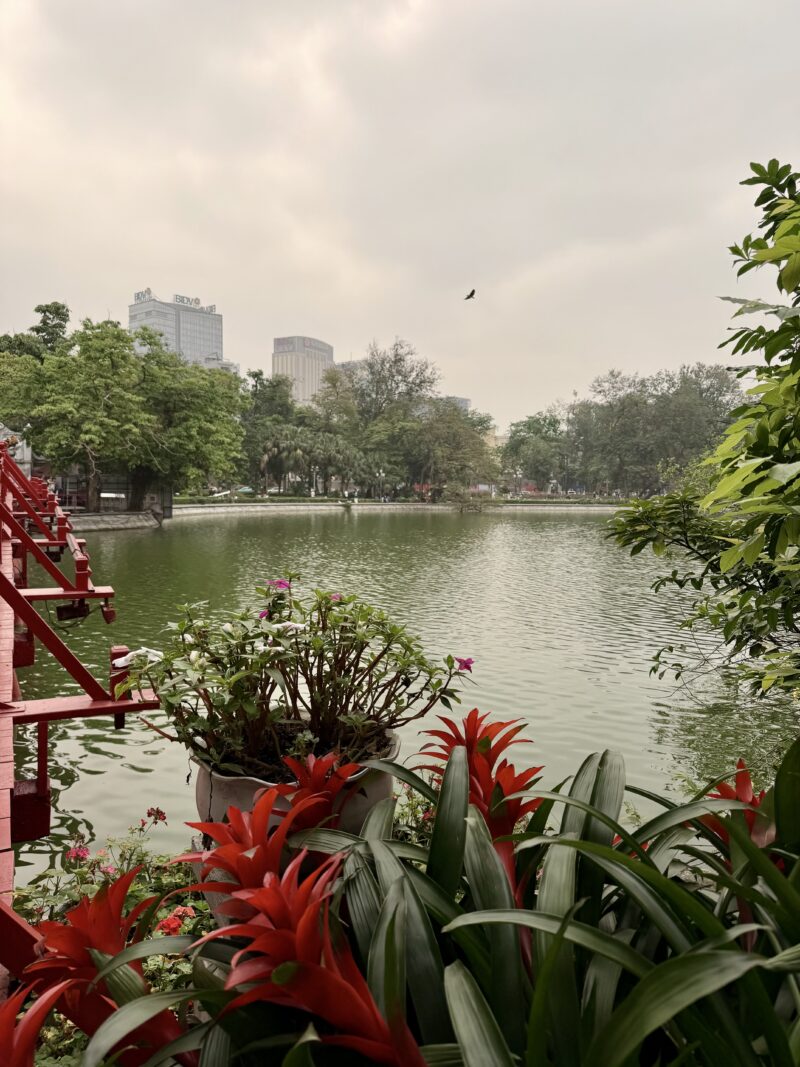
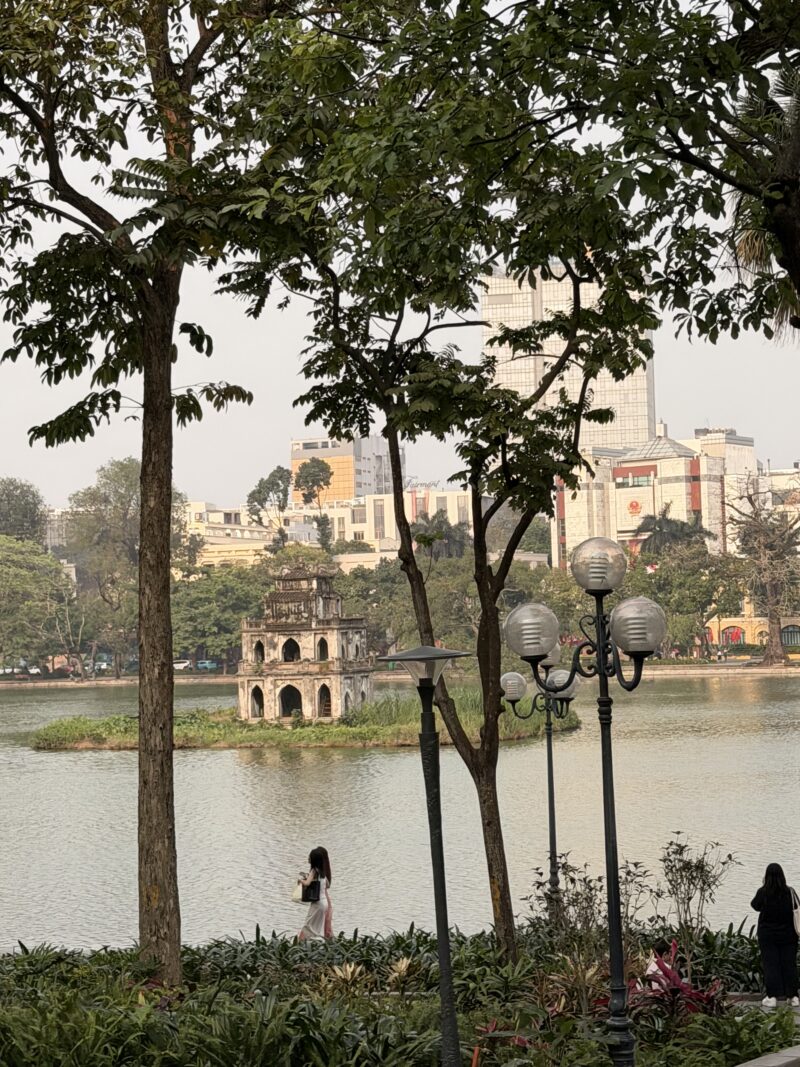
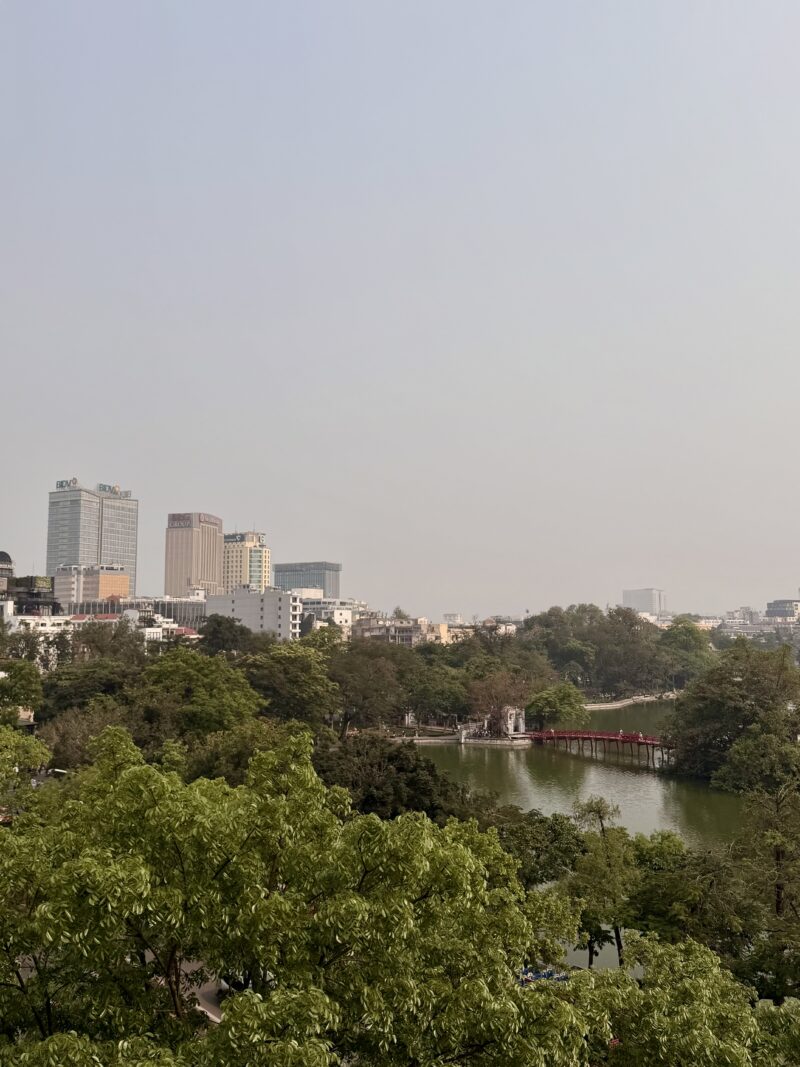
Hoan Kiem Lake is the spiritual heart of Hanoi – a serene mirror of water framed by ancient trees, early‑morning tai chi, and the soft hum of the city waking around it. But beneath its calm surface lies one of Vietnam’s most beloved legends. According to 15th‑century folklore, Emperor Lê Lợi was given a magical sword by the Golden Turtle God to help drive out foreign invaders. After his victory, the turtle rose from the lake and reclaimed the sword, returning it to the depths. From that moment, the lake became known as Hồ Hoàn Kiếm – the Lake of the Returned Sword. At its centre stands Turtle Tower (Tháp Rùa), a small stone pagoda perched on its own island. Built in the 19th century, it honours the mythical Golden Turtle God from the legend of the Returned Sword.
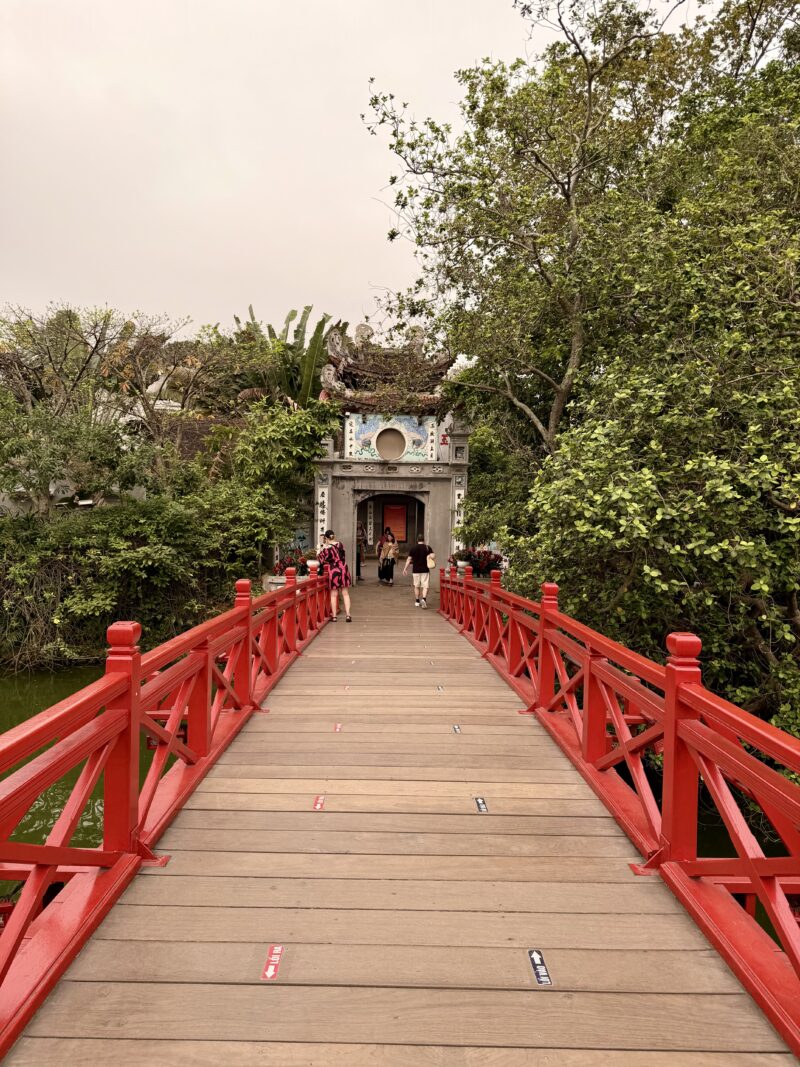
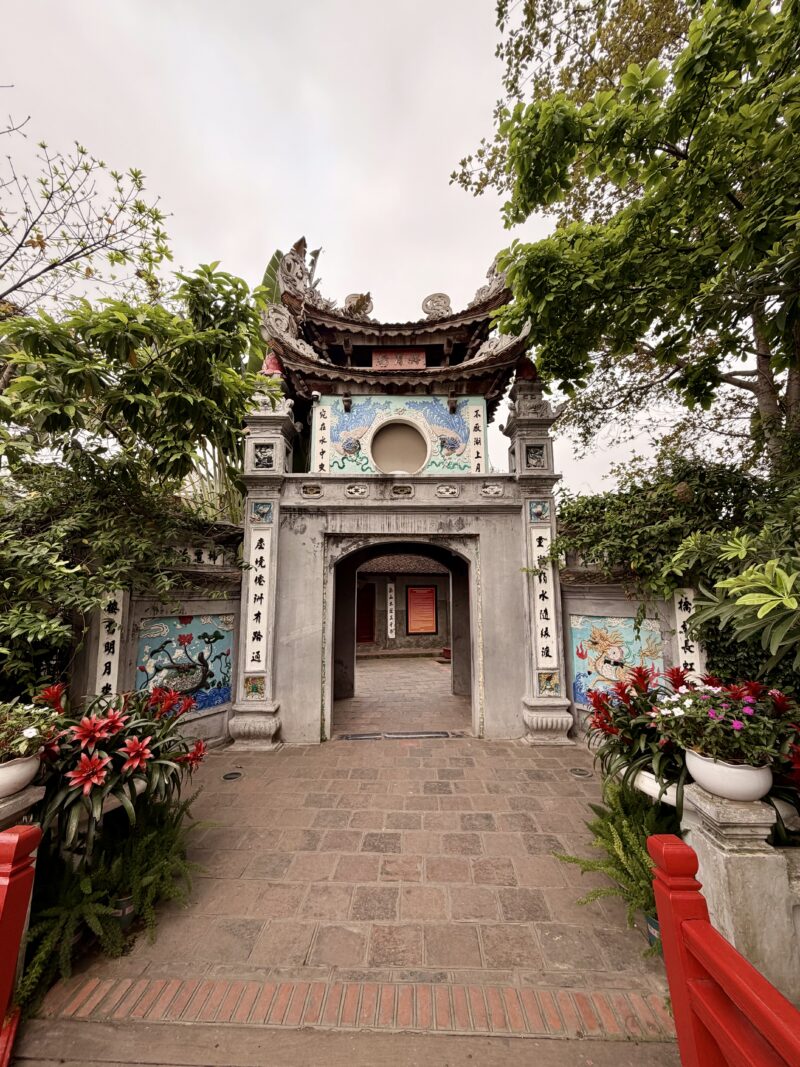
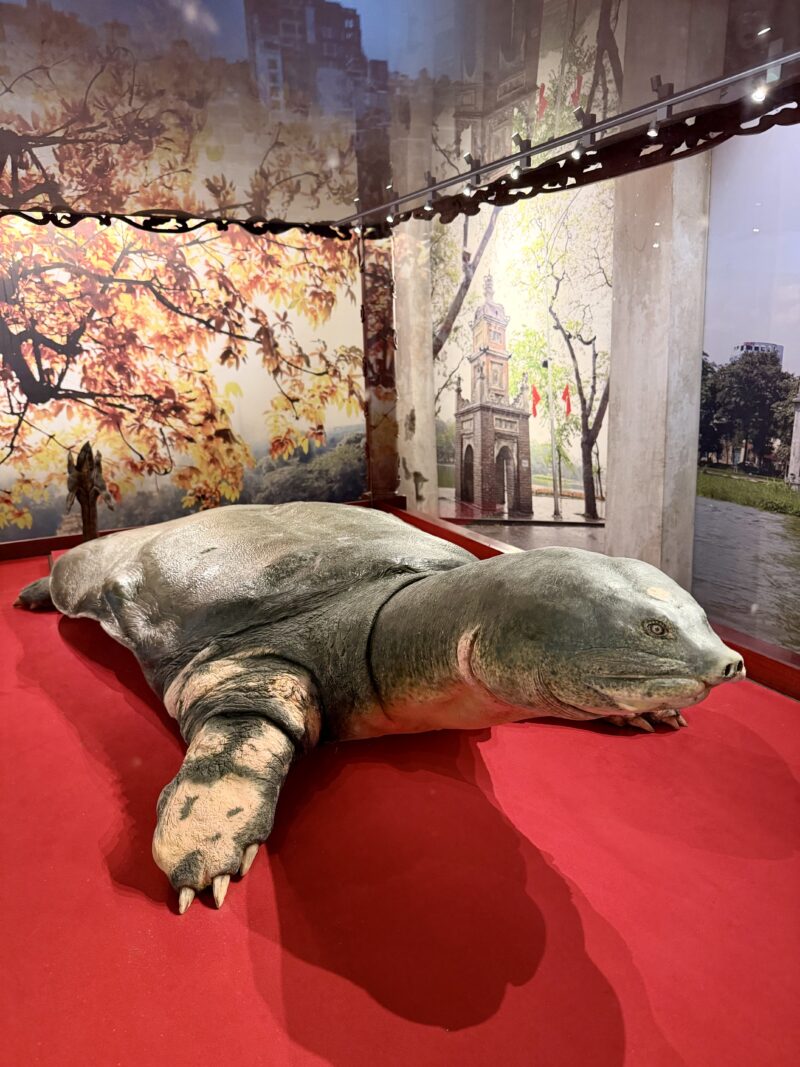
Cross the iconic red Huc Bridge – “the bridge of rising sun” – to reach Ngoc Son Temple, a sanctuary dedicated to scholars, generals, and the spirit of national resilience. Inside, you’ll find altars glowing with incense, ancient calligraphy, and the preserved remains of a giant soft‑shell turtle once believed to be a descendant of the mythical creature from the legend.
The temple’s pavilions, courtyards, and lakeside views make it one of the most photogenic spots in the city, especially at sunrise when the water glows gold, or at dusk when lanterns flicker to life. More than just a landmark, Hoan Kiem Lake is a place where history, myth, and daily life intertwine – the perfect introduction to Hanoi’s soul.


St. Joseph’s Cathedral
Address: 40 Nhà Chung, Hoàn Kiếm
Entry: Free
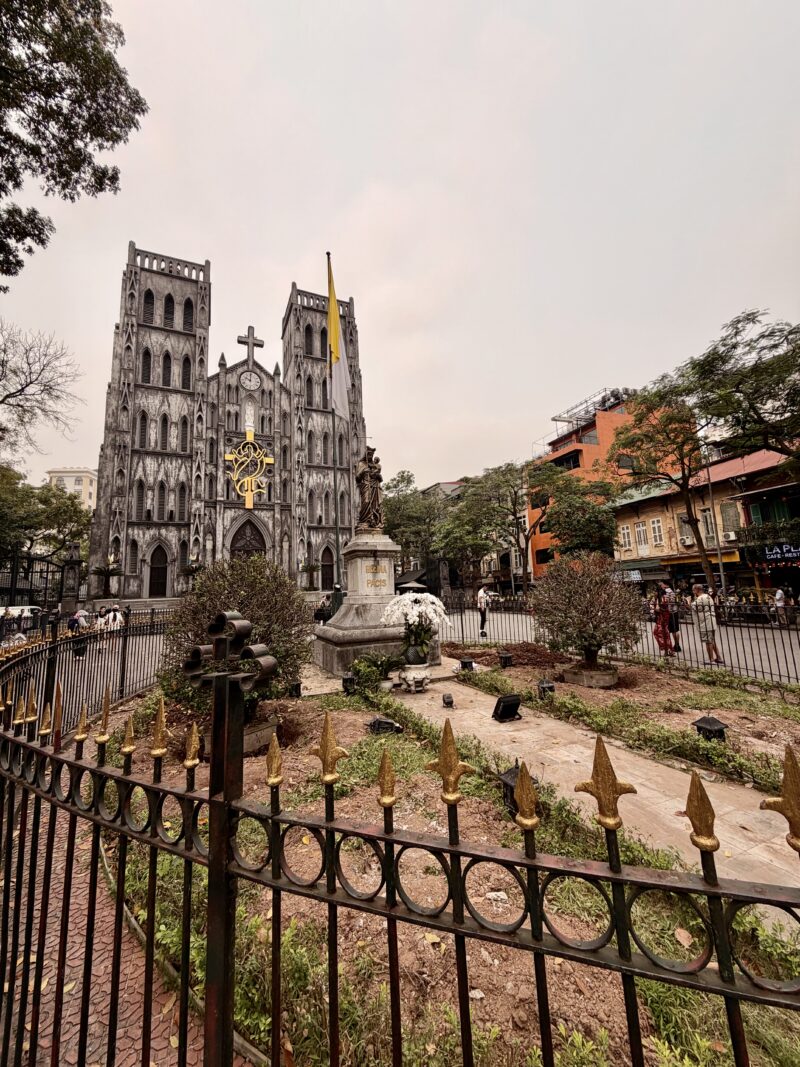
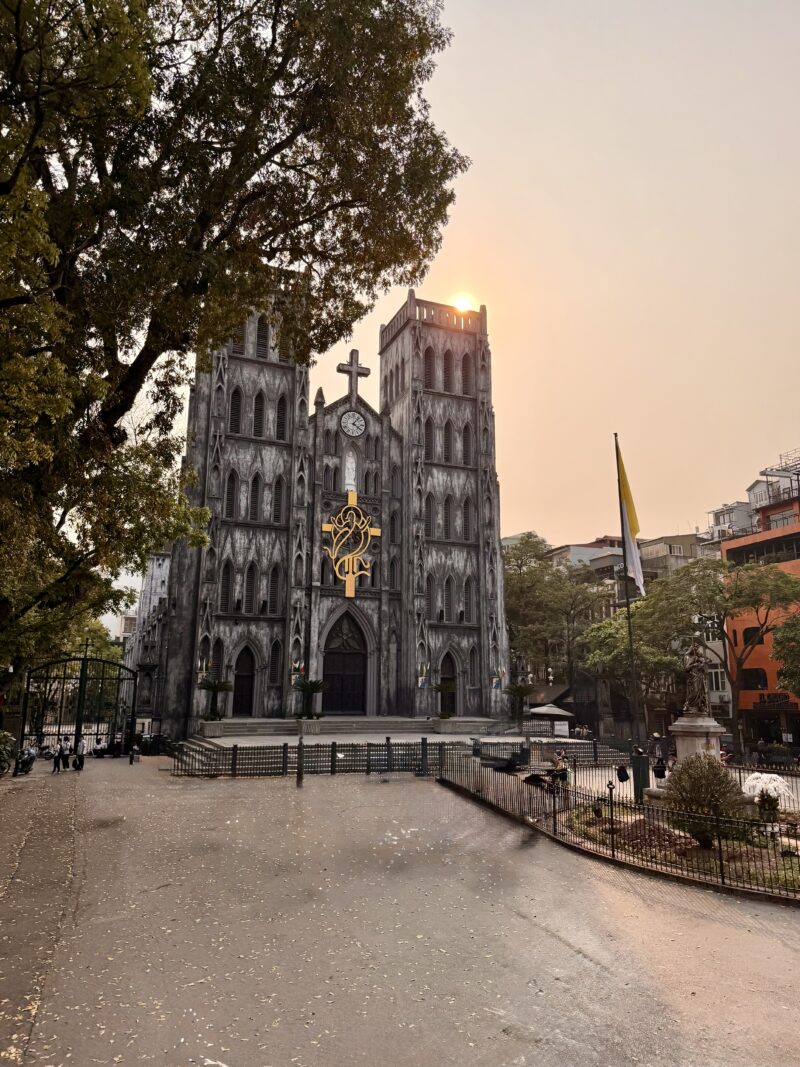
A striking neo‑Gothic cathedral built in 1886, St. Joseph’s is one of Hanoi’s most atmospheric landmarks. Visit at sunset when the façade glows golden, then enjoy an egg coffee at a nearby café while watching the square come alive.


Ba Da Pagoda (Chùa Bà Đá)
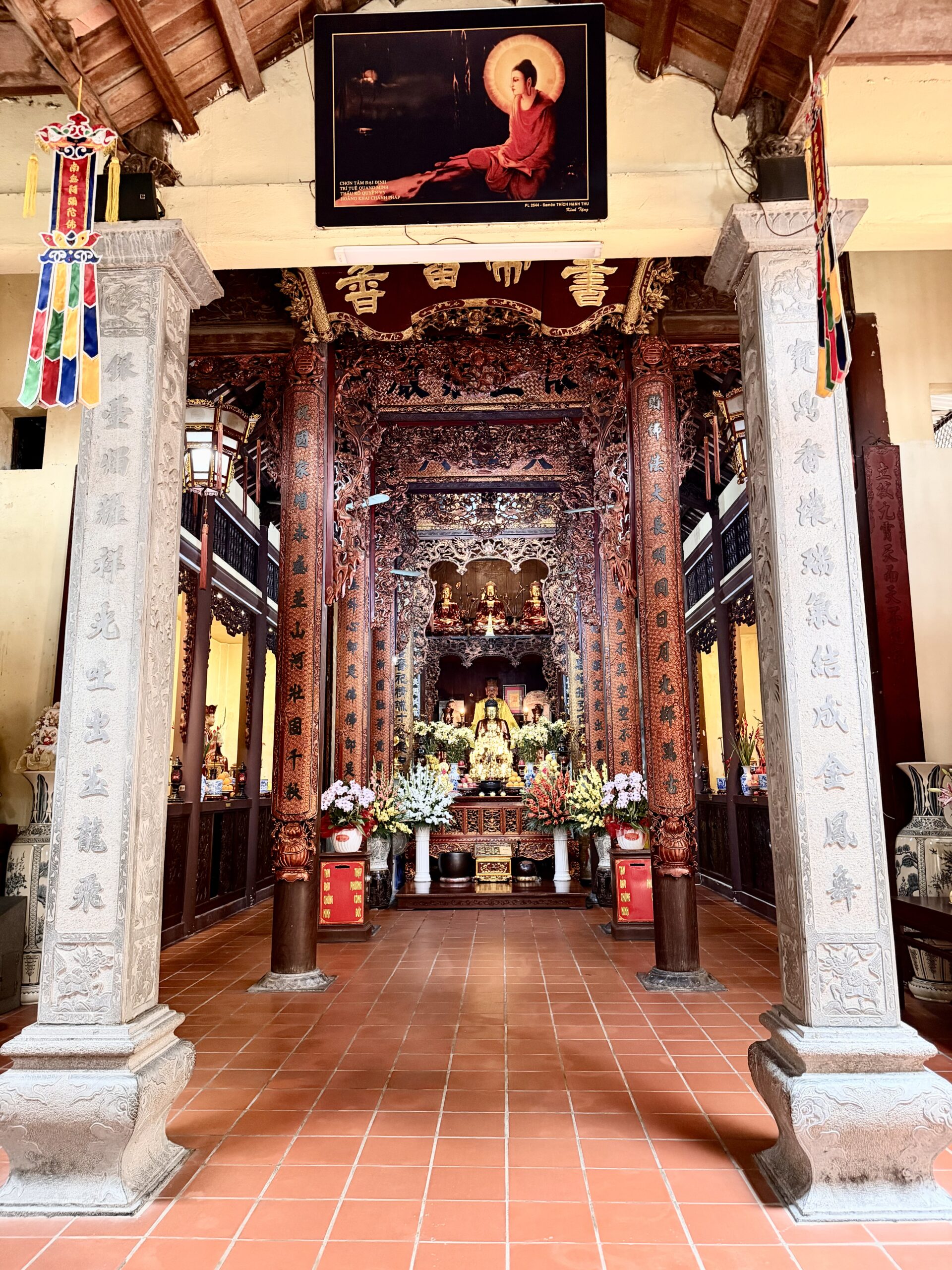
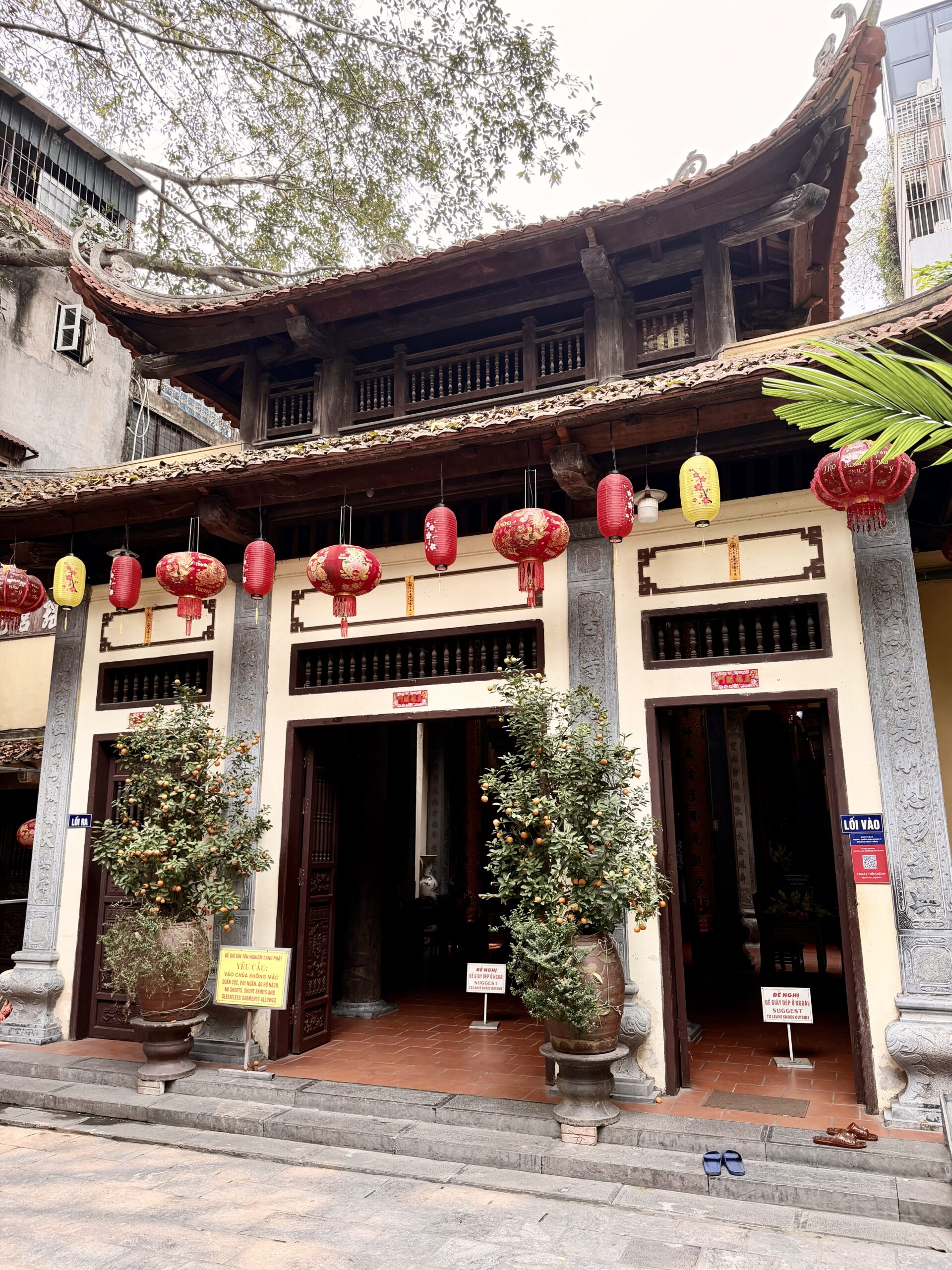
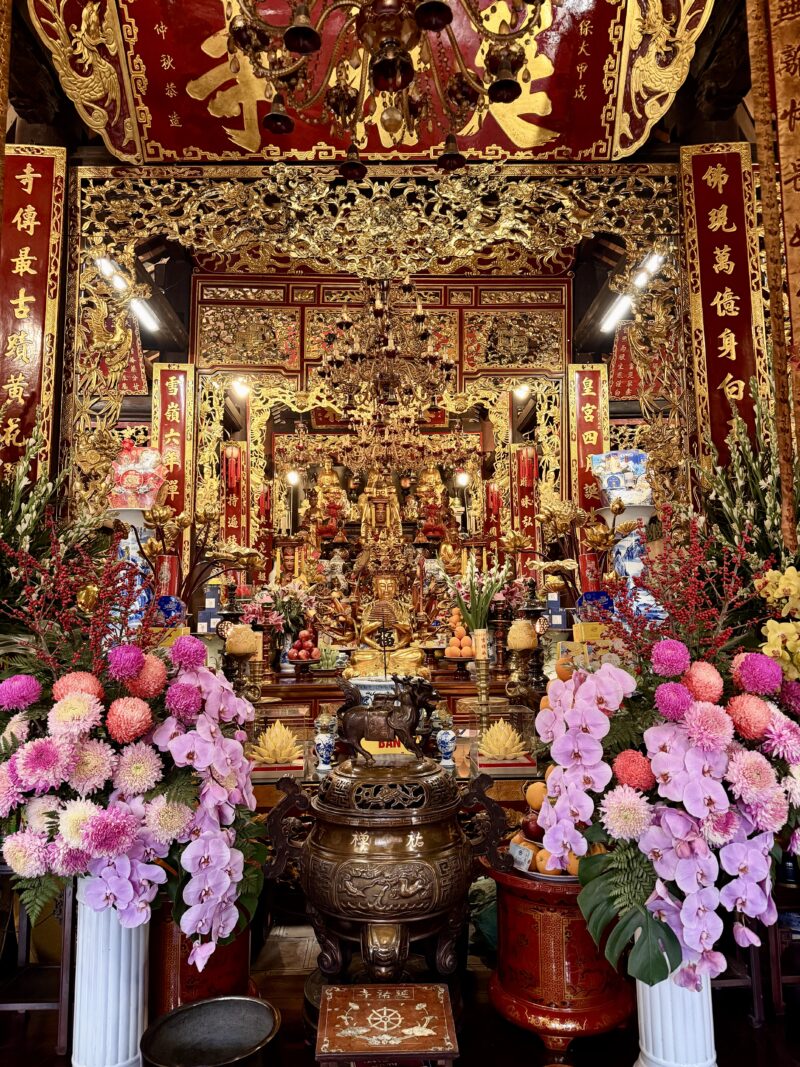
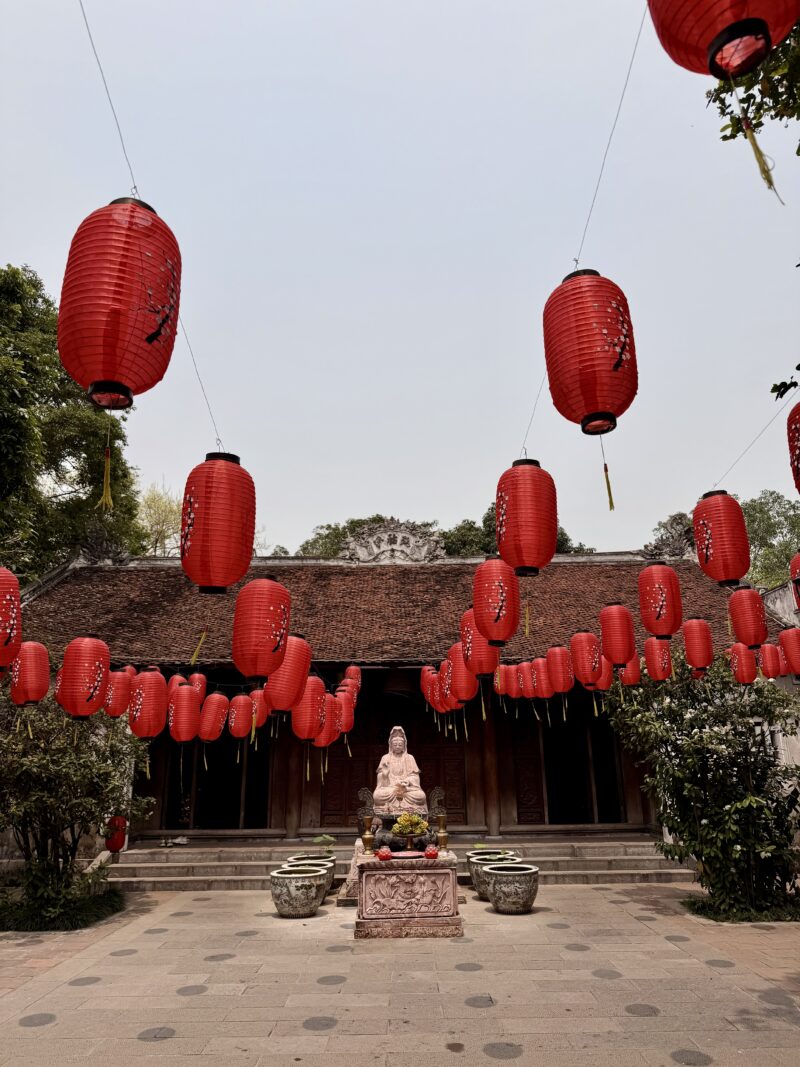
Hidden along a quiet lane near St. Joseph’s Cathedral, Ba Da Pagoda is one of Hanoi’s most intimate spiritual sanctuaries. Originally built in 1056 during the Lý Dynasty, this Buddhist temple has stood for nearly a millennium, witnessing the rise and fall of dynasties and the evolution of the city around it. The pagoda takes its name from the large stone (“bà đá”) that once marked its entrance, a symbol of protection and grounding.
Today, Ba Da Pagoda remains an active place of worship, where incense drifts through wooden halls and locals stop to pray for peace, health, and prosperity. Though modest in size, its atmosphere is serene and deeply authentic – a quiet refuge that reveals the gentle, contemplative side of Hanoi’s spiritual heritage.
The Old Quarter
A maze of 36 ancient guild streets, each named after the craft once sold there – Silk Street, Silver Street, Paper Street, and more. Wander through the chaos of scooters, lanterns, and shopfronts overflowing with silk, lacquerware, spices, and handmade crafts.
- 36 Streets… that weren’t always 36 – The Old Quarter’s “36 guild streets” is more poetic than literal. At times in history there were more than 70 craft streets, but “36” symbolised abundance and prosperity in ancient Vietnamese numerology.
- A thousand years of commerce – Many streets still carry the original Hàng (“merchandise”) prefix, dating back to the Lý and Trần dynasties when merchants formed craft cooperatives and paid taxes based on their trade.
- The oldest Buddhist pagoda in Hanoi nearby – While not inside the Quarter, the area’s prosperity was tied to nearby spiritual centres like Bạch Mã Temple, believed to be over 1,000 years old and dedicated to the White Horse spirit that guided the city’s founders.
- French colonial footprints – Many of the narrow tube houses hide French‑era façades, added when colonial administrators tried to “modernise” the district while keeping its commercial function intact.
- A wartime survivor – Despite heavy bombing during the 20th century, the Old Quarter preserved much of its original street layout — a rare continuity in Southeast Asian capitals.
- The birthplace of Vietnamese street food culture – Many iconic dishes (like bún thang and phở gà) originated here, where guilds once cooked for traders and travellers passing through.
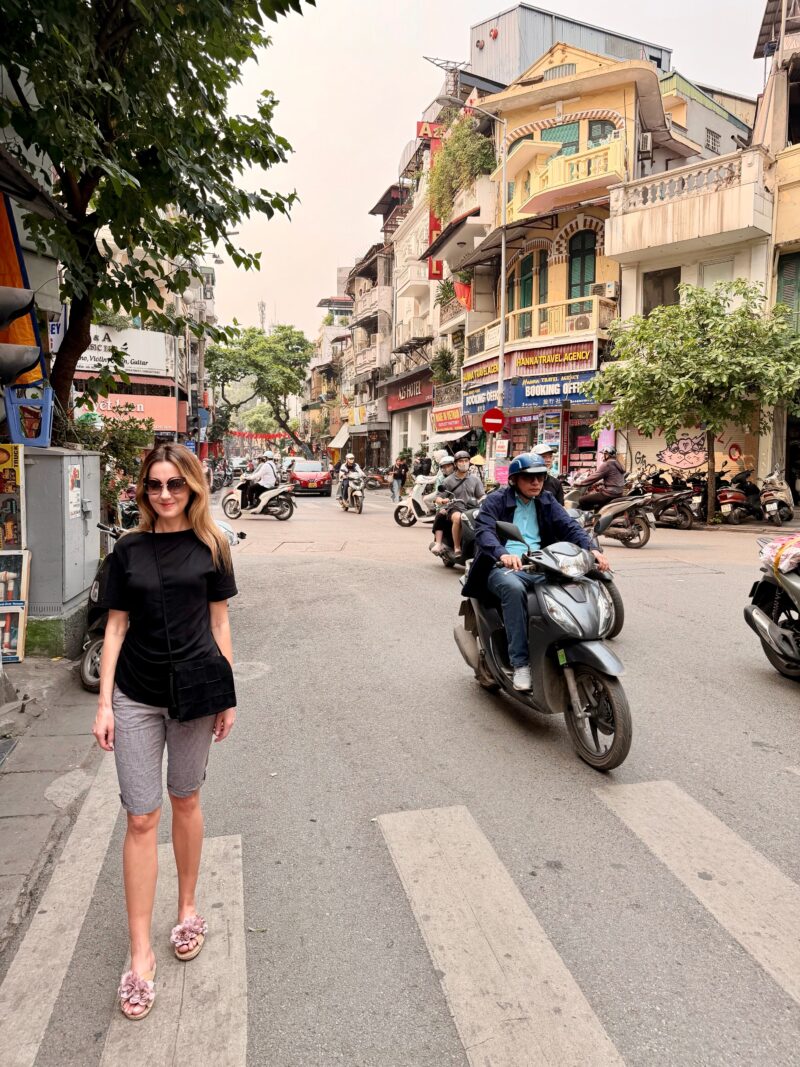
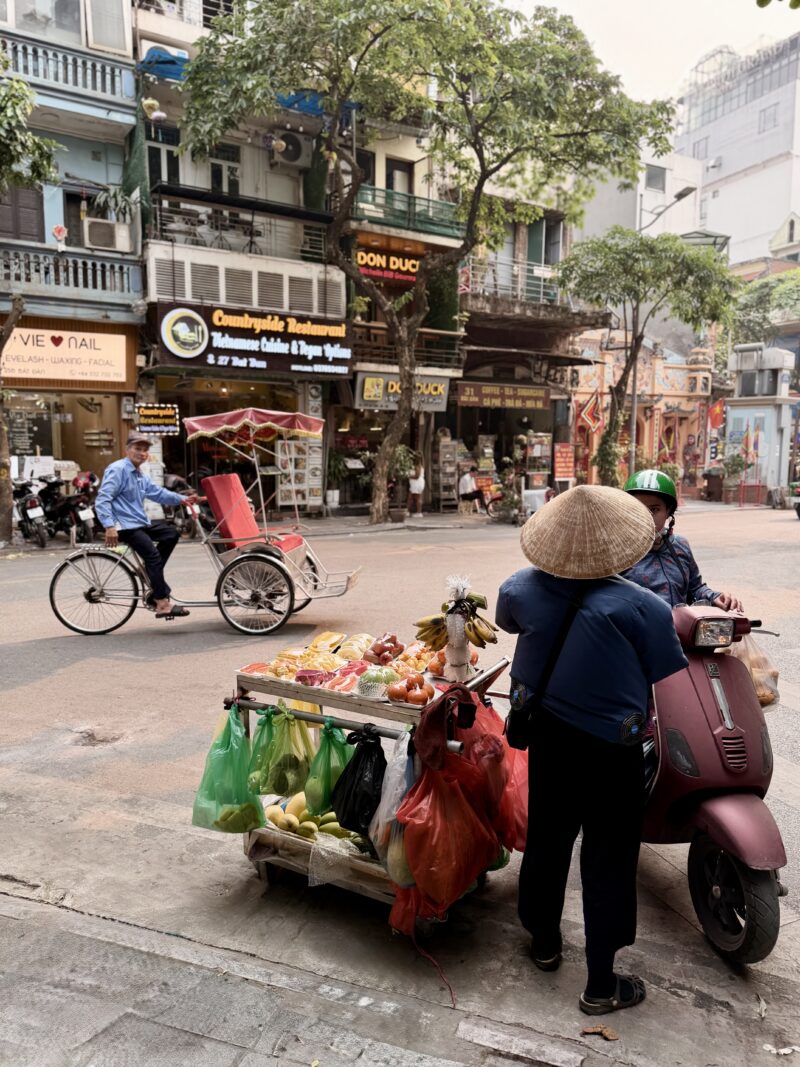
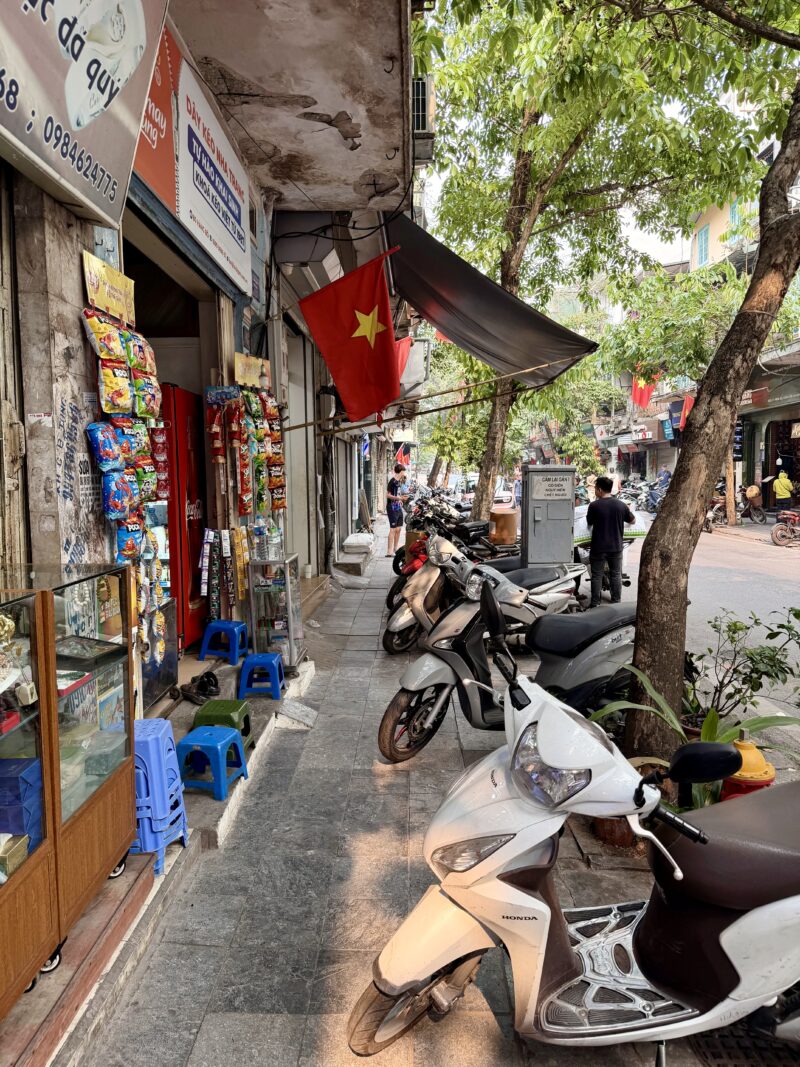
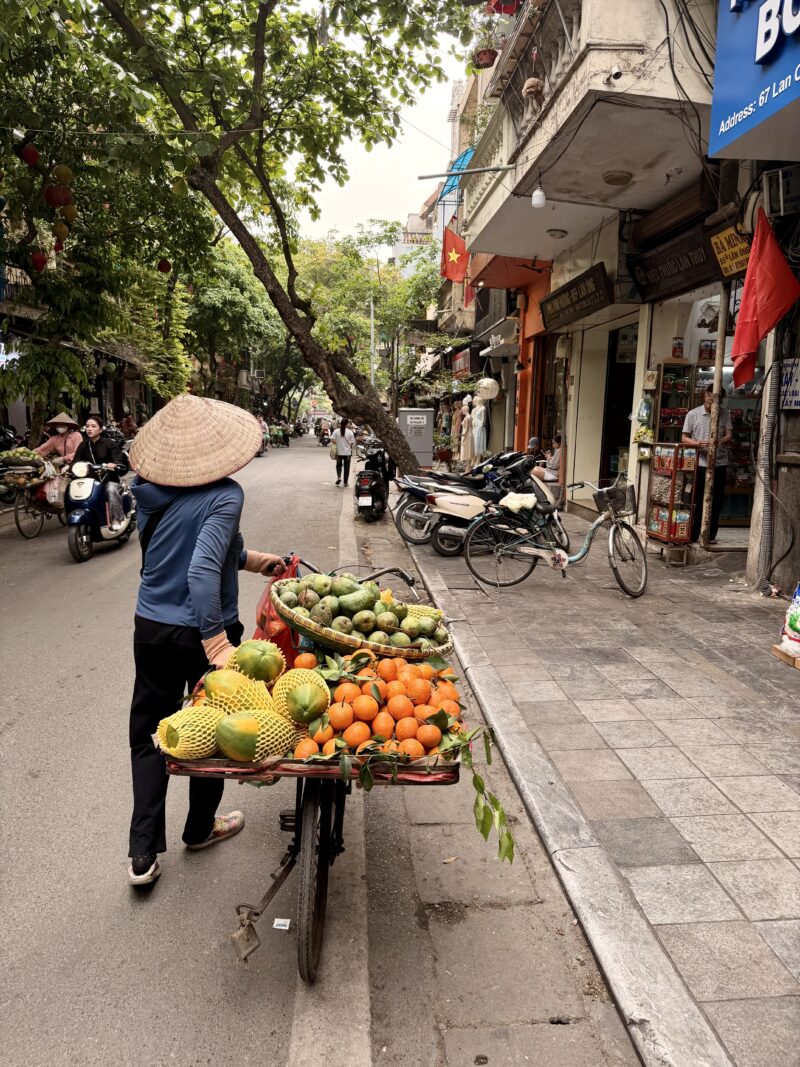
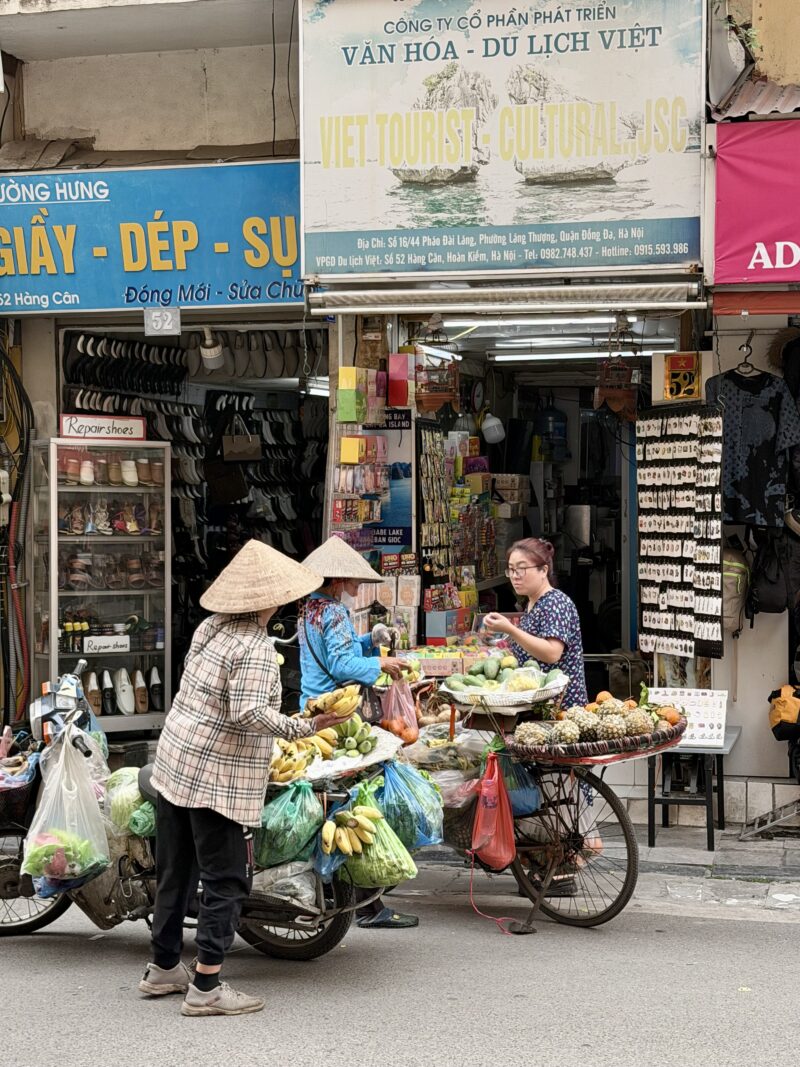


Tip: Bargain politely and keep valuables secure.
Train Street – A Hanoi Icon
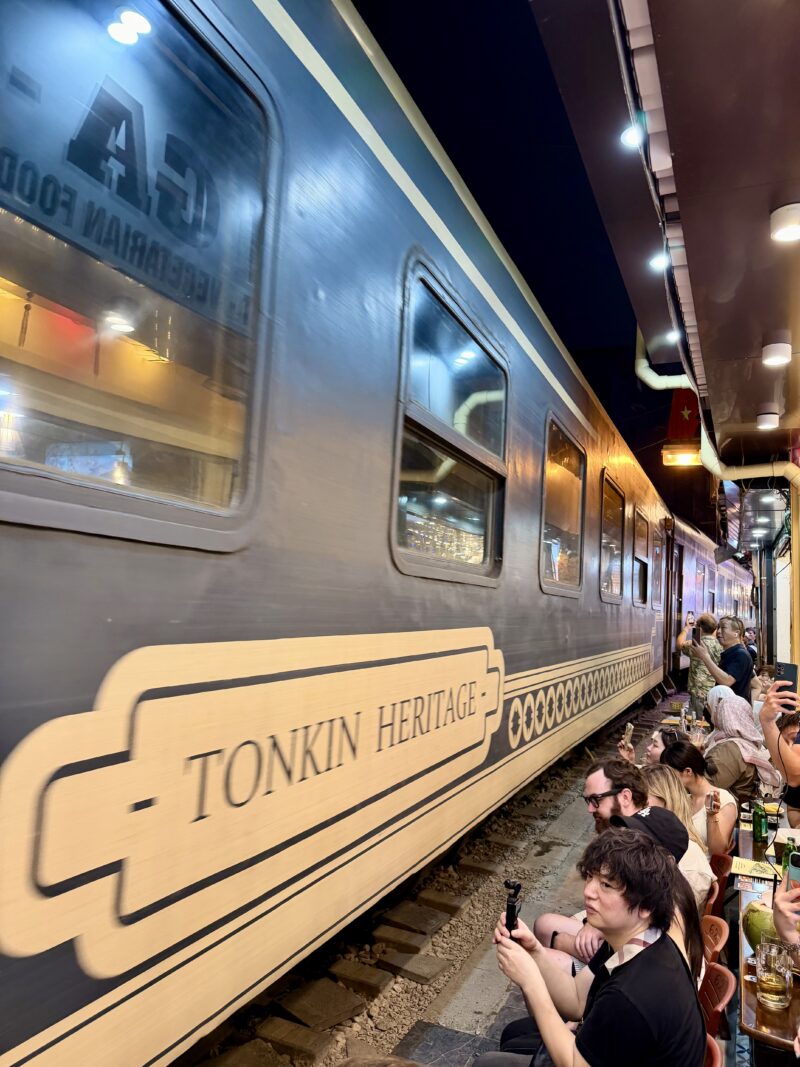
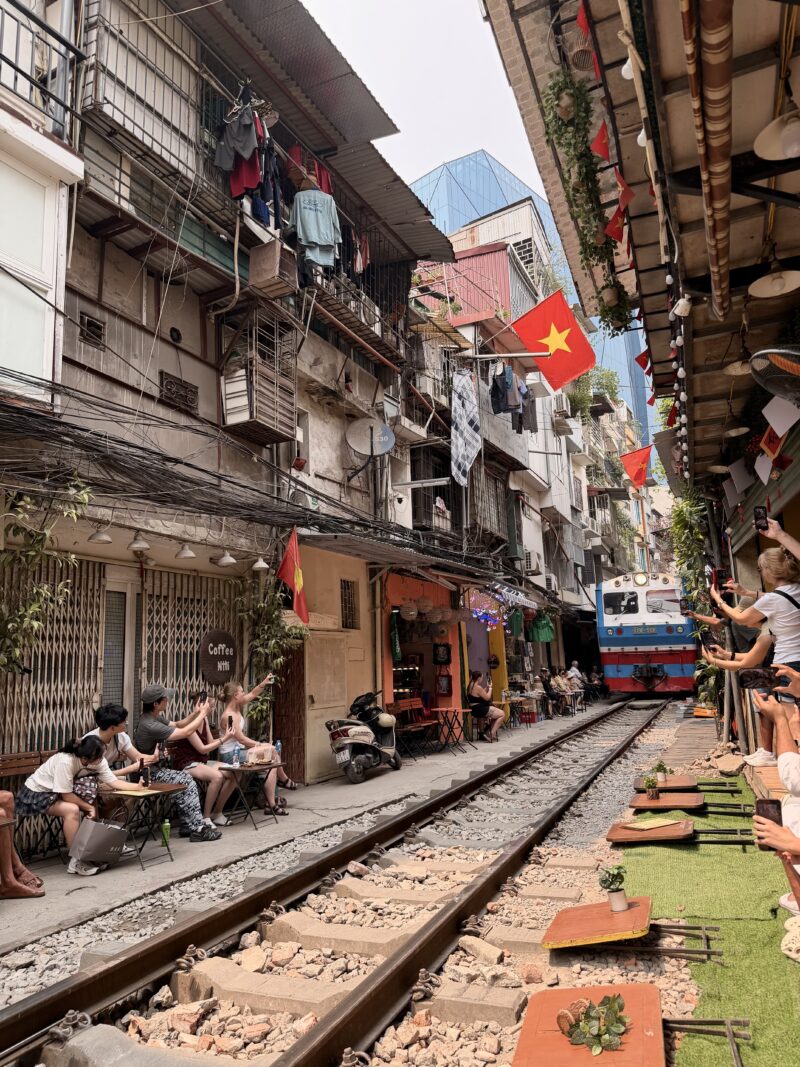
Train Street is one of Hanoi’s most thrilling experiences – a narrow residential alley where trains pass just inches from cafés and doorways.
There are two main sections:
• Ngo 224 Lê Duẩn (More Accessible) – Lively and atmospheric, with easier access and plenty of cafés overlooking the tracks. Hanoi 1990s Café (Highly Recommended). The owner is incredibly friendly and responsive on WhatsApp. You can message them before your trip to reserve a table for a safe, front‑row view of the passing train. They guide you on timing, safety, and the best photo spots.
• Phùng Hưng Street (More Restricted) – This is the more controlled section, with police often limiting access. Entry is usually only allowed if you have a reservation at a café.


Temple of Literature
Address: 58 Quốc Tử Giám
Entry: 50,000 VND
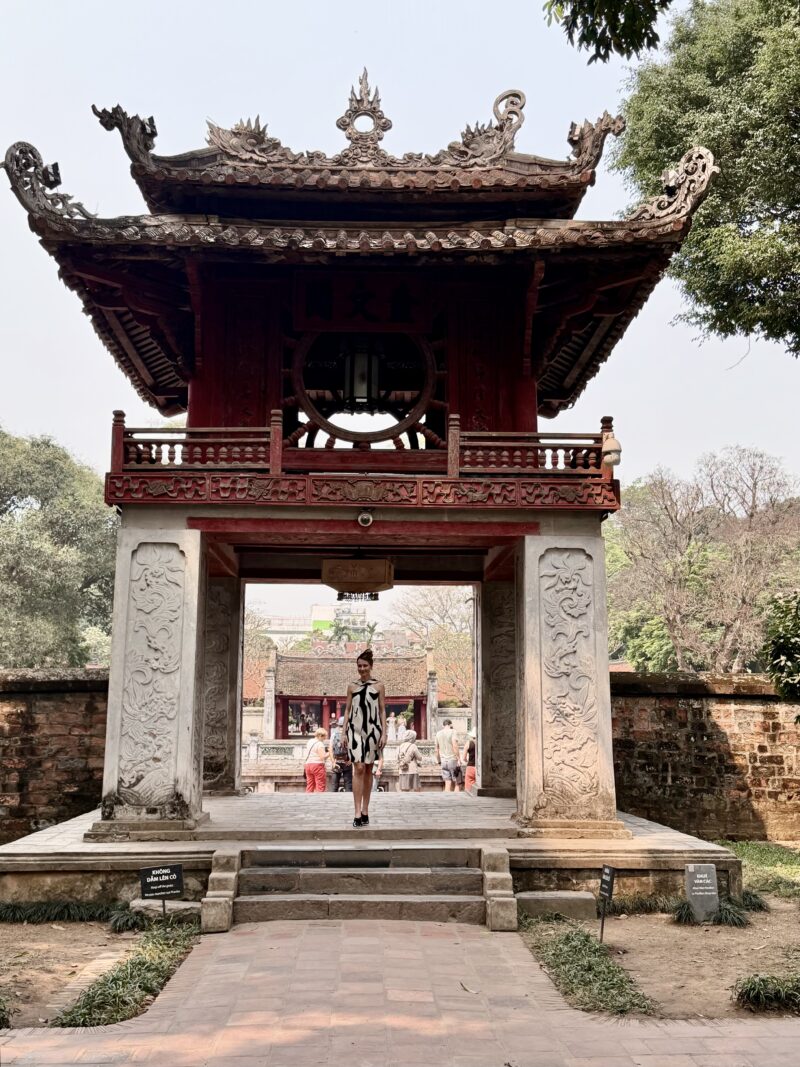
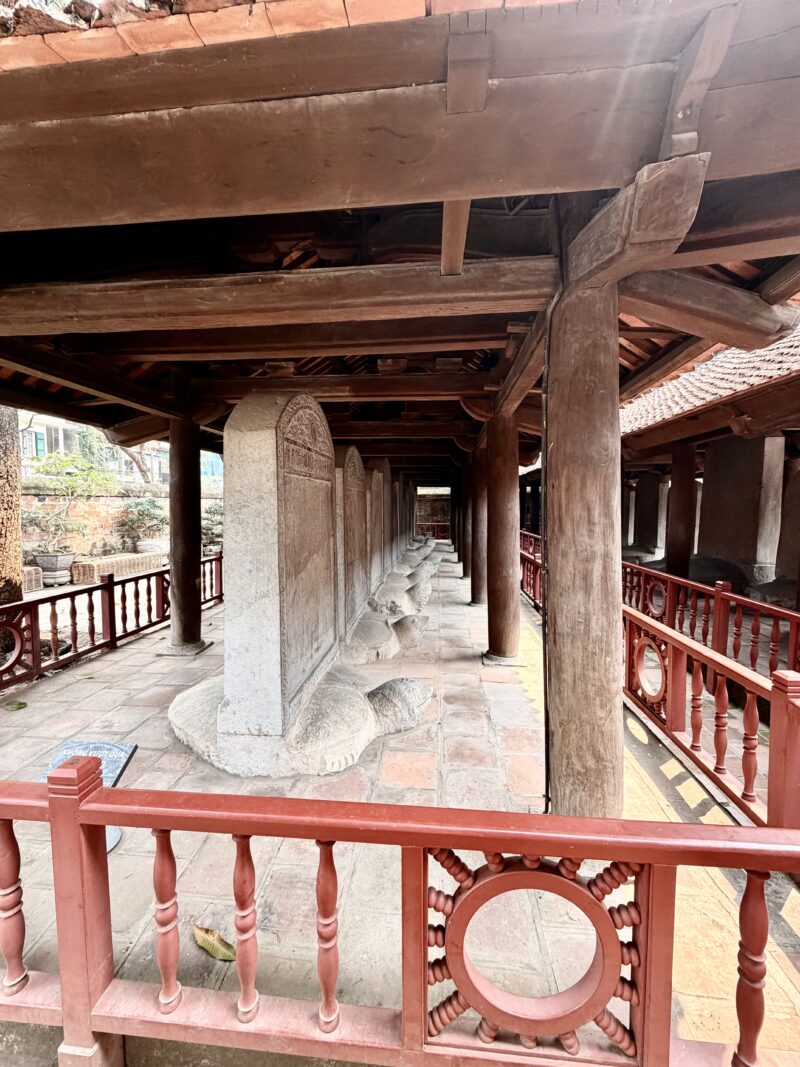
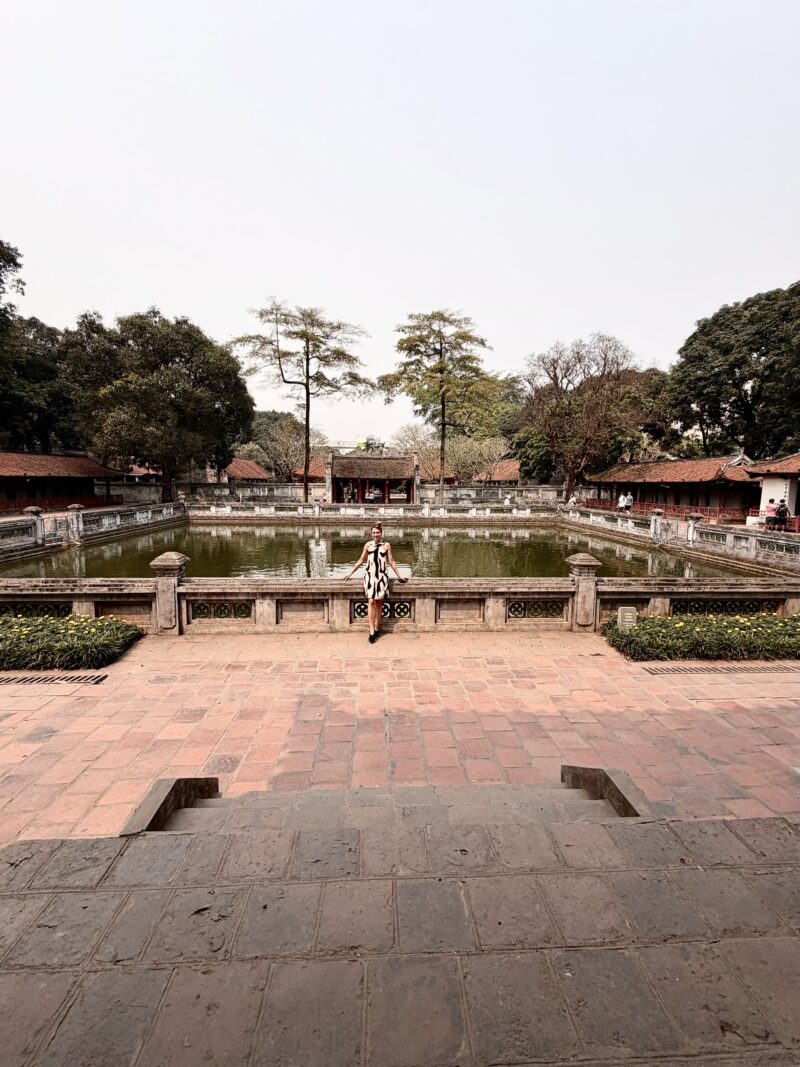
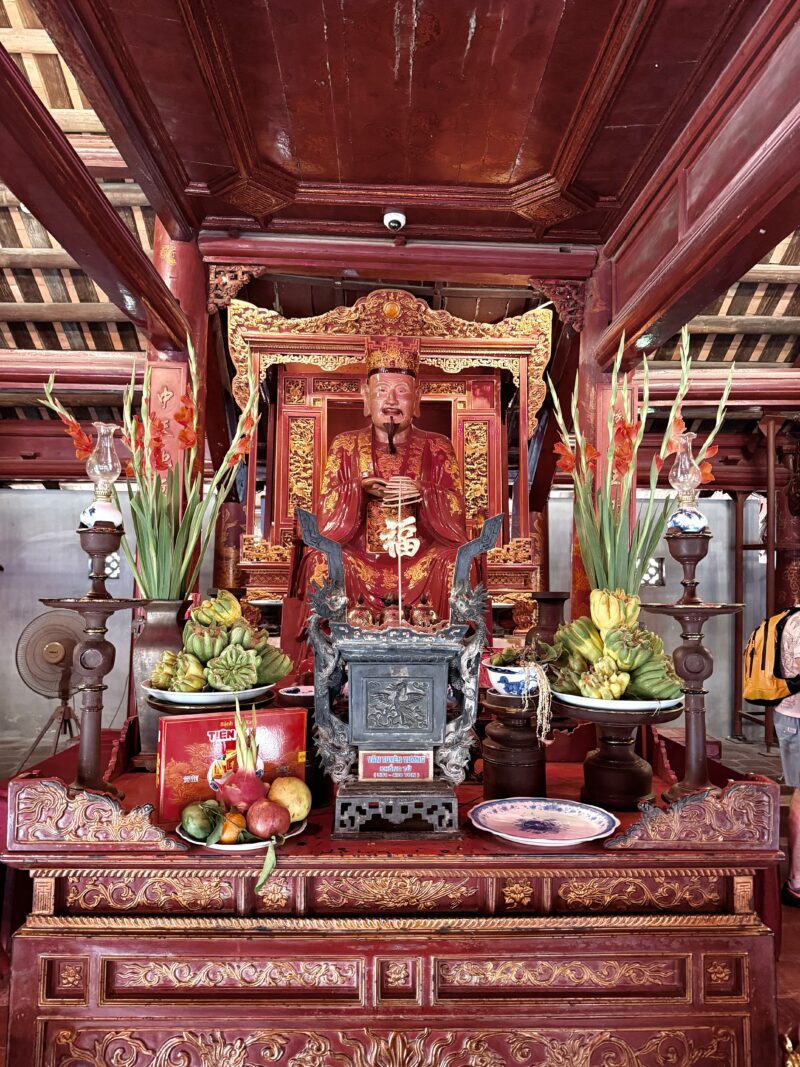
Founded in 1070 and home to Vietnam’s first national university (Quốc Tử Giám), the Temple of Literature is a serene complex of courtyards, lotus ponds, and shaded pavilions where scholars once prepared for imperial exams. Its most striking feature is the row of stone stelae mounted on carved turtle bases – 82 tablets that record centuries of doctoral graduates and celebrate Vietnam’s scholarly tradition. The elegant Khue Van Cac pavilion crowns the site and has become an enduring symbol of Hanoi. Visit for a quiet, photogenic glimpse of the city’s intellectual past and to see living traditions – calligraphers and students seeking blessings


Hoa Lo Prison (“Hanoi Hilton”)
Address: 1 Hoả Lò
Entry: 50,000 VND
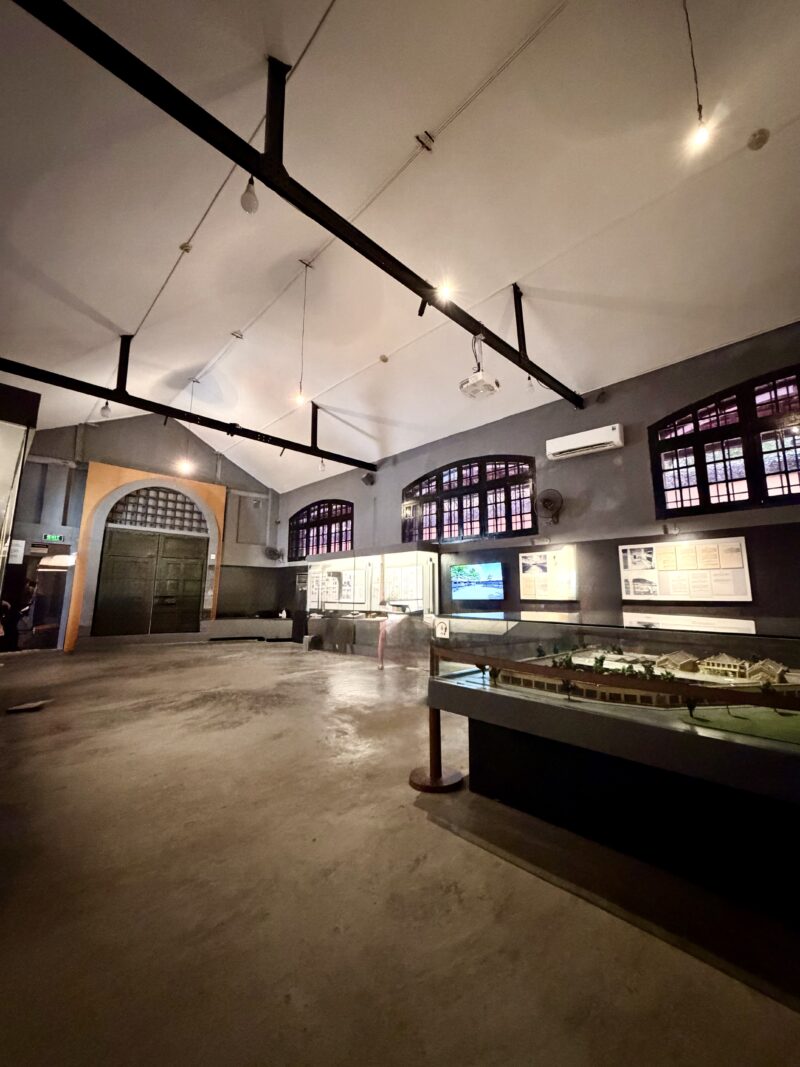
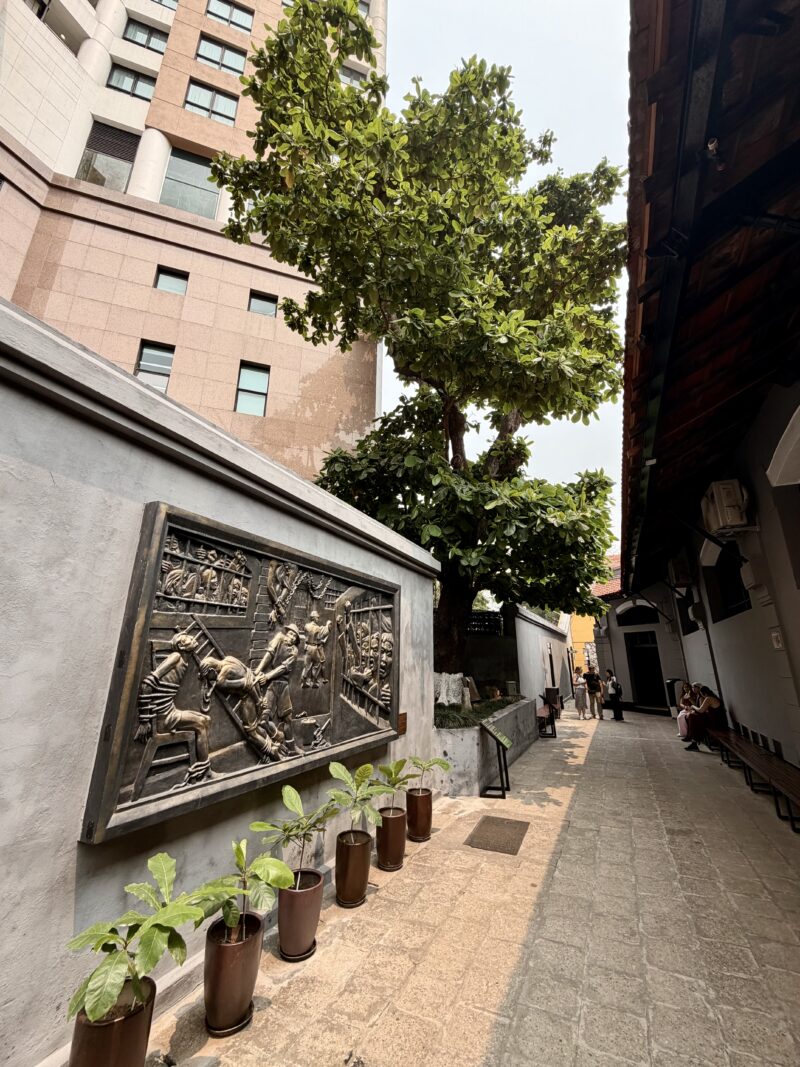
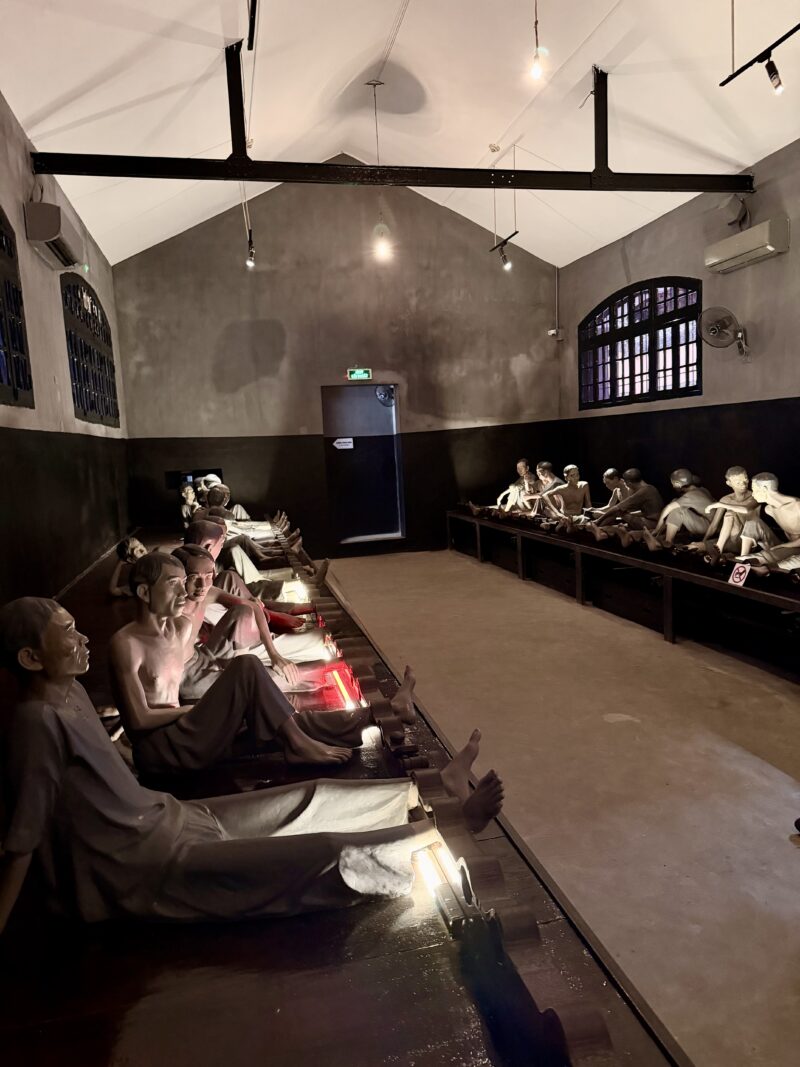
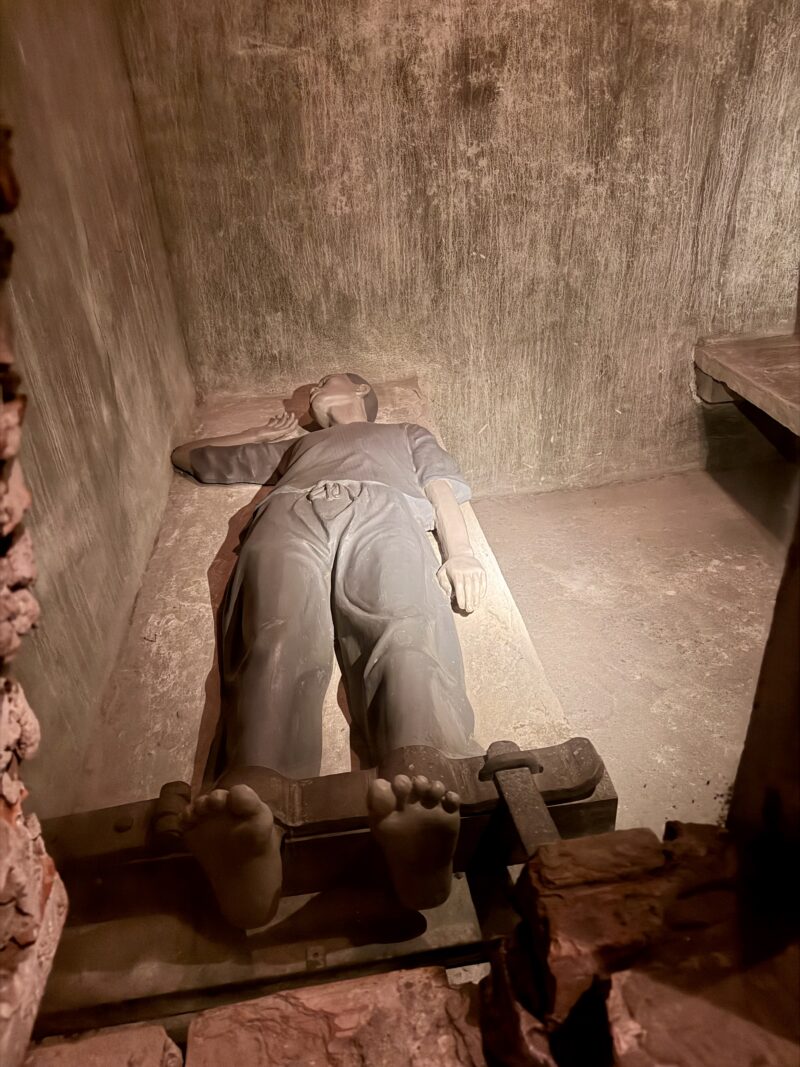
A sobering but essential site, Hoa Lo Prison tells the story of French colonial rule and the Vietnam War. Exhibits are powerful and emotional, offering a deeper understanding of the country’s past.


Water Puppet Theatres
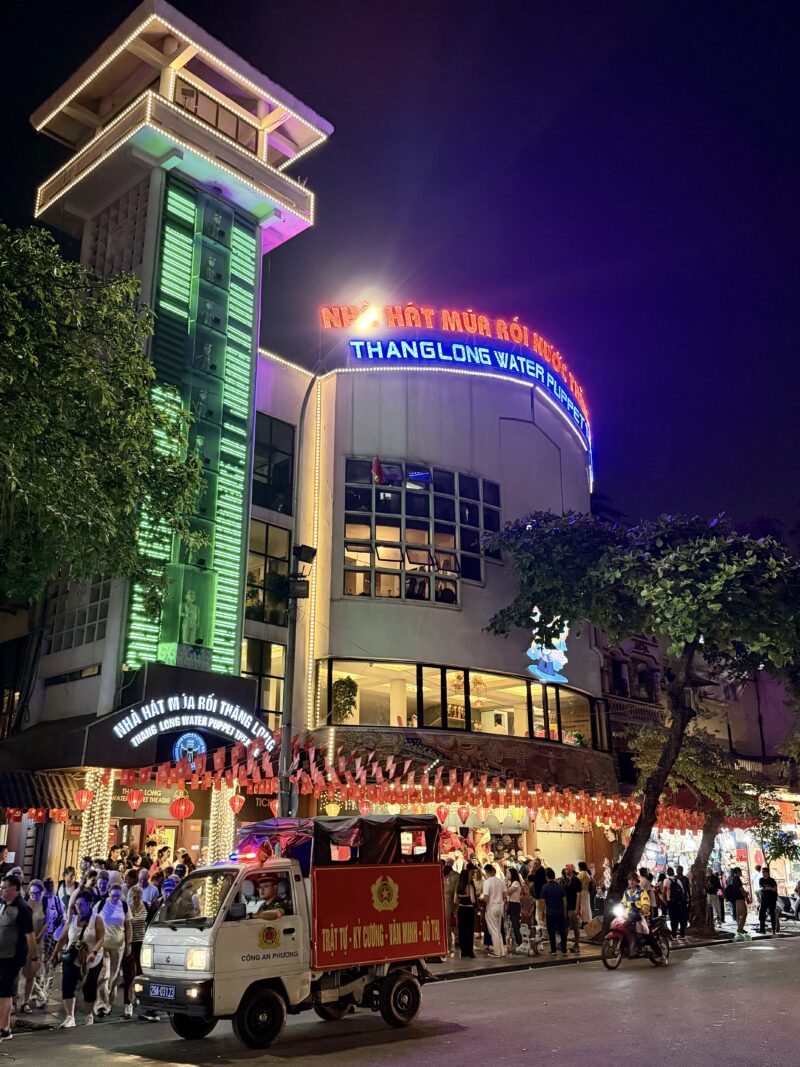
Water puppet theatre is one of Vietnam’s most enchanting cultural treasures – a centuries‑old art form where brightly lacquered puppets dance, splash, and glide across a shimmering pool of water, all brought to life by hidden puppeteers standing waist‑deep behind a screen. Accompanied by live traditional folk music, drums, and wooden bells, each short vignette retells village legends, rice‑harvest rituals, and tales of mythical creatures with humour and heart. Originating in the 11th century in the Red River Delta, this uniquely Vietnamese performance was once staged in flooded rice paddies during festivals; today, theatres in Hanoi preserve the magic with the same charm and craftsmanship. For travellers seeking an experience that feels both joyful and deeply rooted in heritage, a night at a water puppet theatre is unforgettable.
Thang Long Water Puppet Theatre
Address: 57B Đinh Tiên Hoàng
Why visit: The most famous theatre, larger venue, classic experience.
Address: 16 Lê Thái Tổ
Why visit: More intimate, atmospheric, and often preferred by travellers seeking a less touristy feel.
Tip: Arrive 20–30 minutes early.


West Lake (Hồ Tây)
Address: Tây Hồ District
Entry: Free
Best time: Sunset
West Lake (Hồ Tây) is Hanoi’s serene, story‑filled escape – a vast mirror of water where legend, history, and everyday life blend into one captivating scene. As the city’s largest freshwater lake, spanning over 500 hectares with a 17 km shoreline, it has been a cultural anchor for centuries, once known by evocative names like Fox Corpse Swamp and Golden Buffalo Lake, each tied to ancient Vietnamese folklore. Its shores cradle some of the capital’s most significant spiritual sites, including Trấn Quốc Pagoda, Vietnam’s oldest Buddhist temple dating back to the 6th century, set on a small island glowing beautifully at sunset. Today, West Lake remains a favourite for slow bike rides, lakeside cafés, and golden‑hour views that feel worlds away from the Old Quarter’s bustle—an essential stop for travellers seeking both beauty and a deeper sense of Hanoi’s soul.
Tip: Combine West Lake with Trấn Quốc Pagoda and Quán Thánh Temple – they sit along the same scenic road.
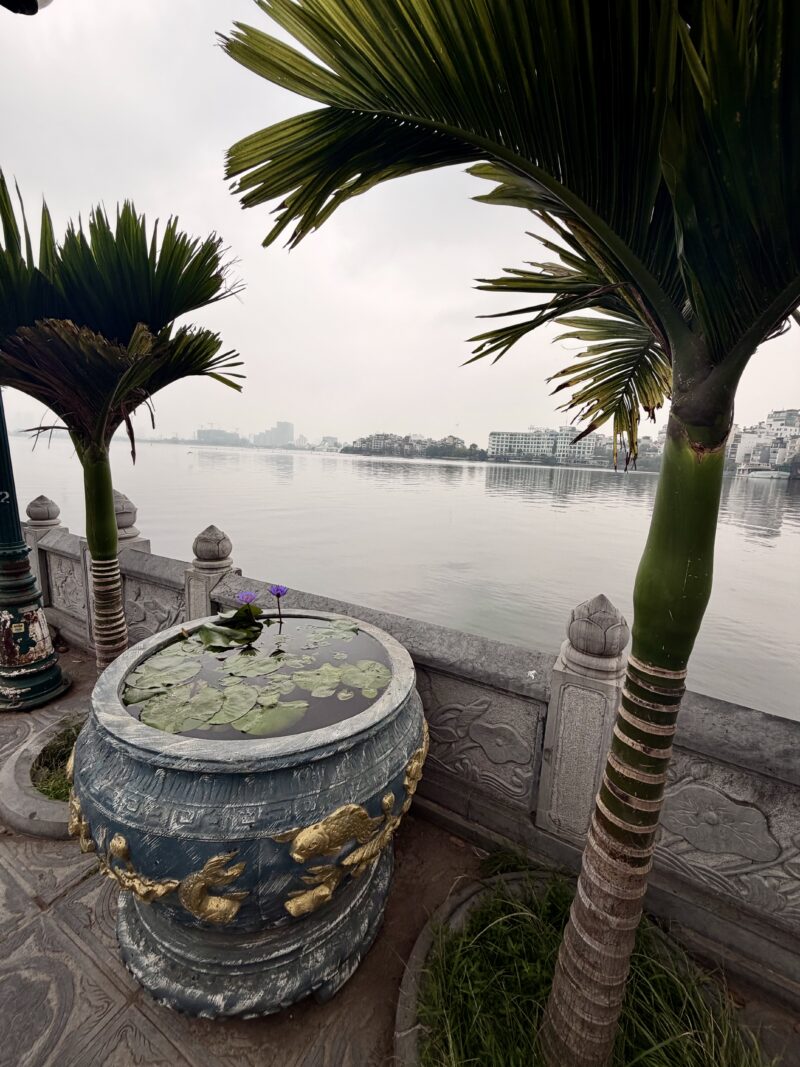

Trấn Quốc Pagoda
Address: 46 Thanh Niên Road, Tây Hồ
Entry: Free
Dress code: Shoulders and knees should be covered
Opening hours: 07:30 – 11:30 & 13:30 – 17:30
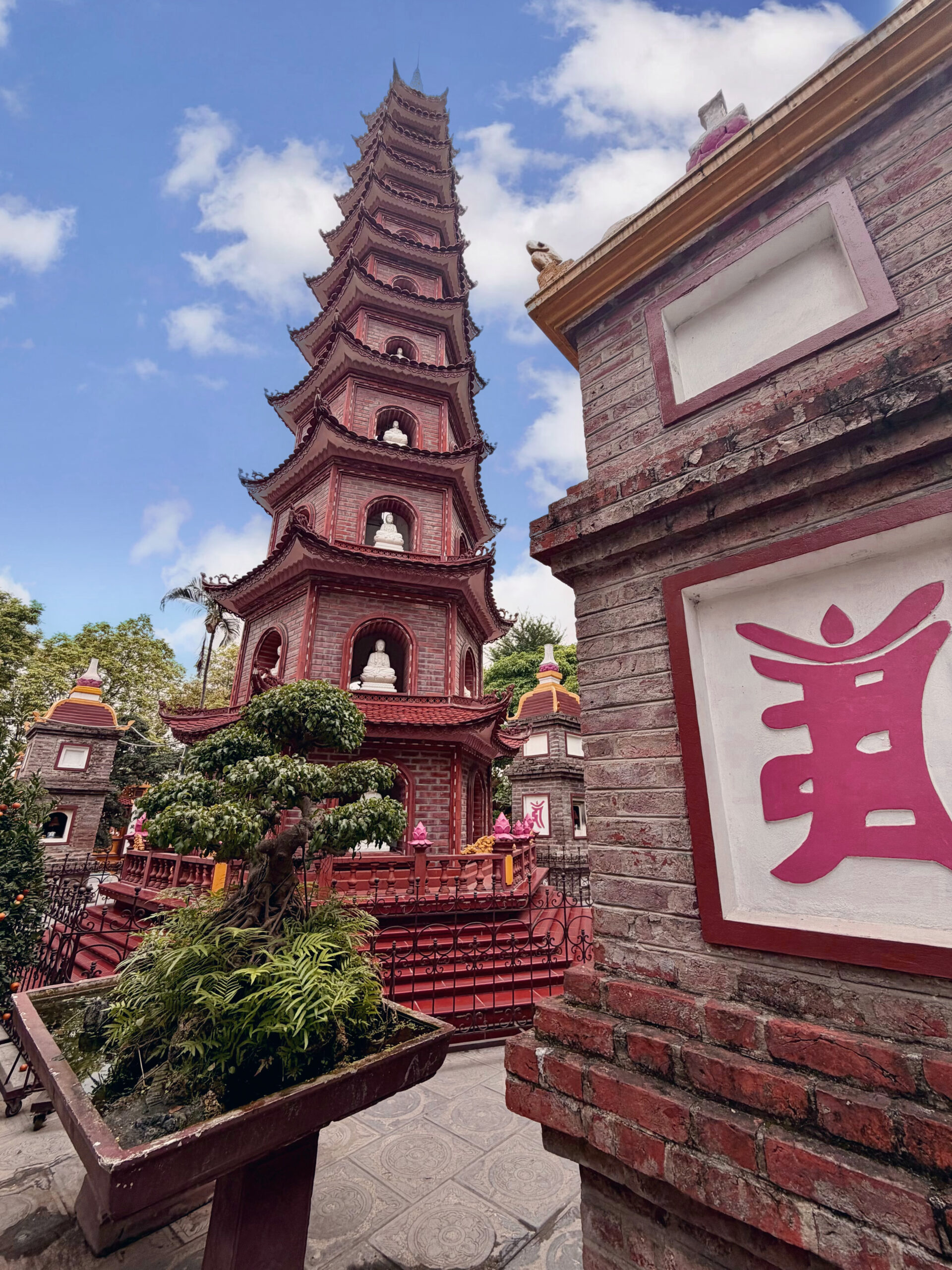
Perched on a small island at the edge of West Lake, Trấn Quốc Pagoda dates back to the 6th century and was moved to its current site in the 17th century when riverbank erosion threatened the original temple. Once called Khai Quốc, it was later renamed Trấn Quốc – “protecting the nation” – reflecting its symbolic role through centuries of dynastic change. Look for the graceful stupa, lotus ponds, and the Bodhi tree grown from a cutting of the original at Bodh Gaya; together they make the pagoda a peaceful, photogenic place where Hanoi’s long spiritual history feels alive.
Tip: Visit early morning for soft light and fewer crowds.
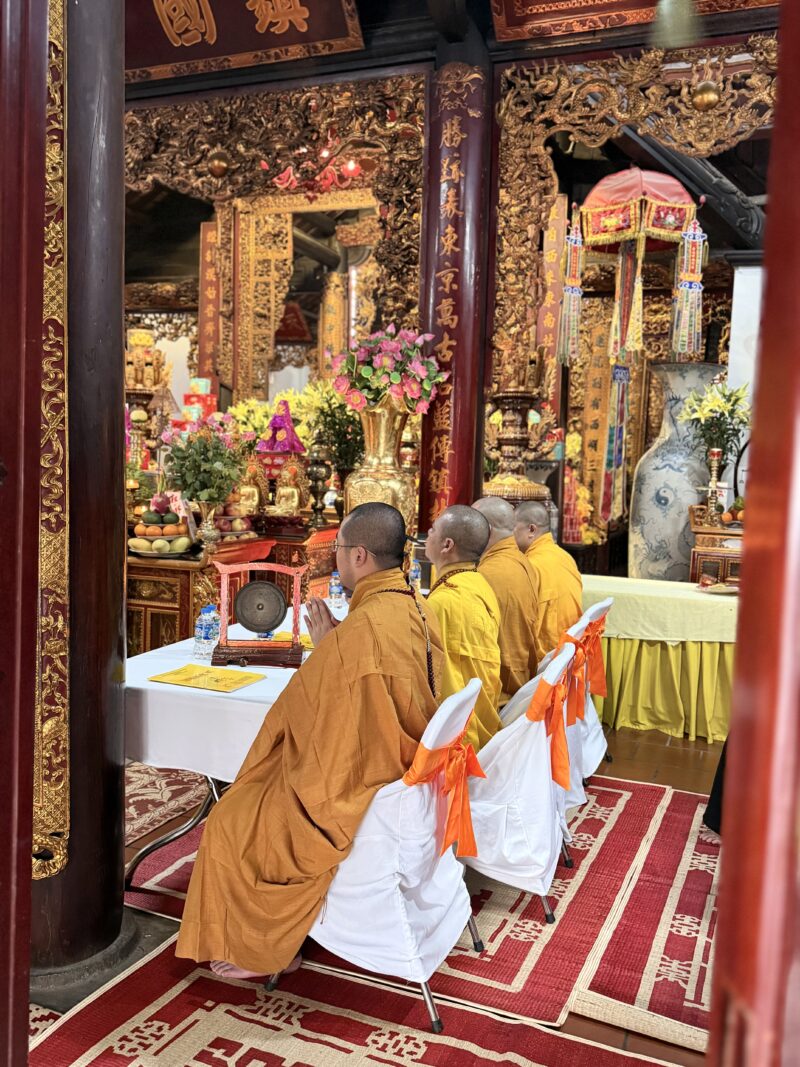

Quán Thánh Temple
Address: 190 Thanh Niên Road, Ba Đình
Entry: 10,000 – 20,000 VND
Dress code: Cover shoulders and knees
Opening hours: 08:00 – 17:00
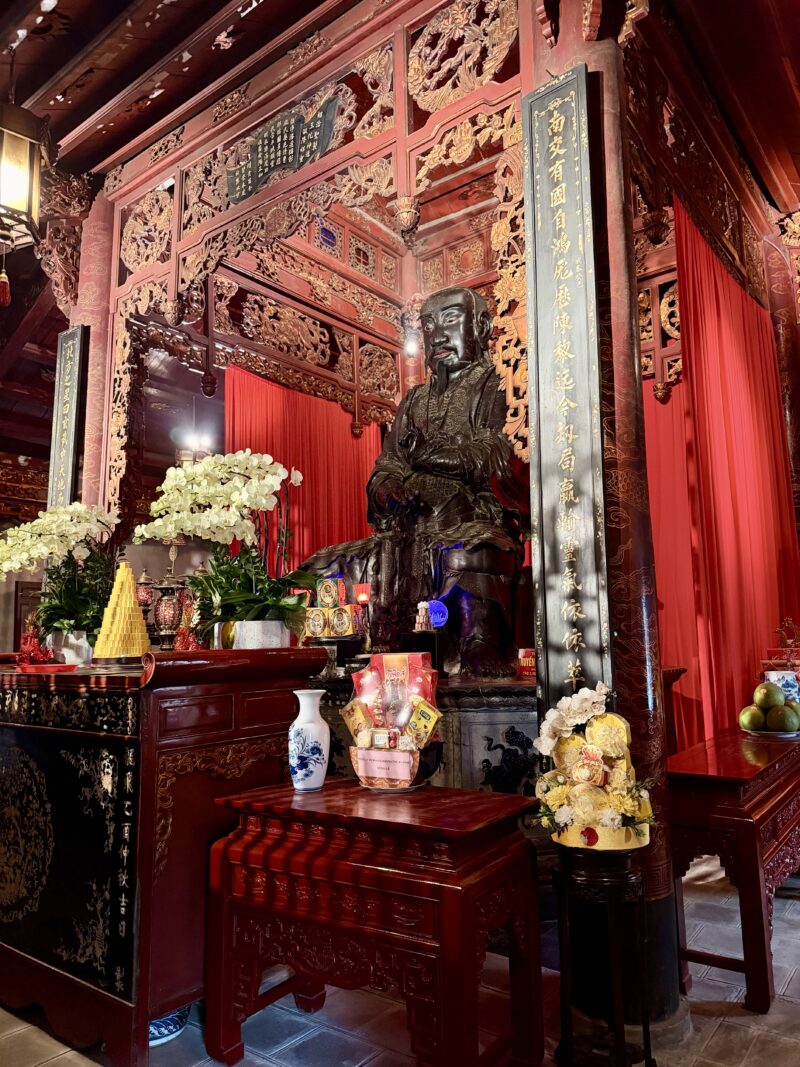
Quán Thánh is an 11th‑century Taoist temple dedicated to Trấn Vũ, the God of the North. Famous for its massive bronze statue and tranquil courtyard shaded by ancient trees, the temple blends solemn ritual with quiet beauty. Visit to see the impressive sculpture, admire the carved woodwork and tiled roofs, and experience a peaceful corner of Hanoi where centuries of devotion remain visible in every detail.
Tip: Combine with Trấn Quốc Pagoda – they are a 5‑minute walk apart.


Ho Chi Minh Mausoleum Complex
Address: 2 Hùng Vương, Ba Đình
Dress code: Strict – shoulders, chest, and knees must be covered
Security: Bags and cameras may be checked; no talking inside the mausoleum
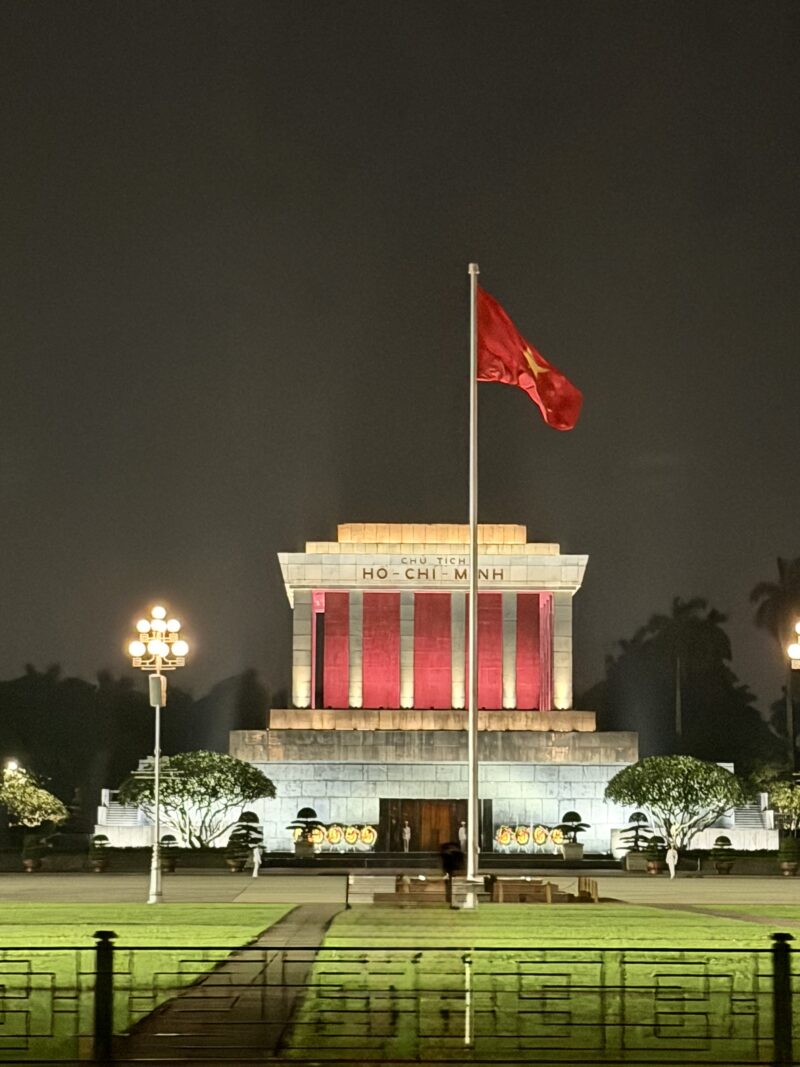


Ho Chi Minh Mausoleum
Entry: Free
Opening hours:
- Tue – Thu & Sat–Sun
- 07:30 – 10:30 (summer)
- 08:00 – 11:00 (winter)
A monumental marble structure where the embalmed body of Ho Chi Minh rests. The atmosphere is solemn and respectful.
Tip: Arrive early – queues form quickly.
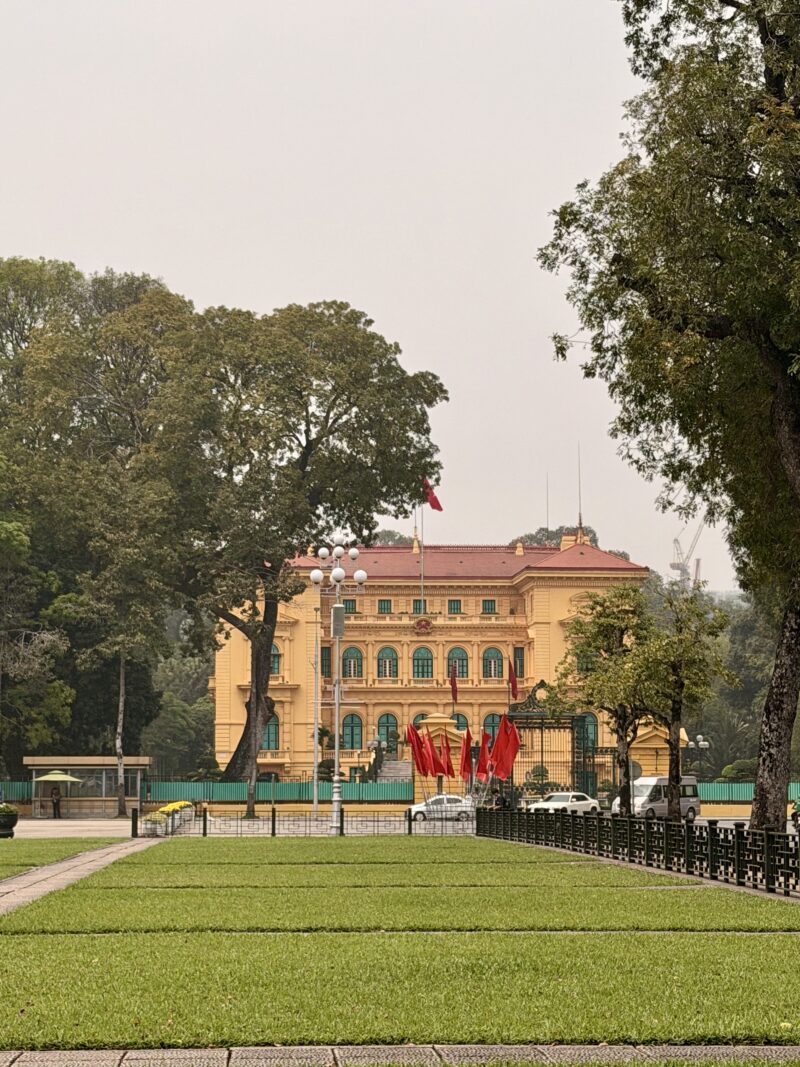
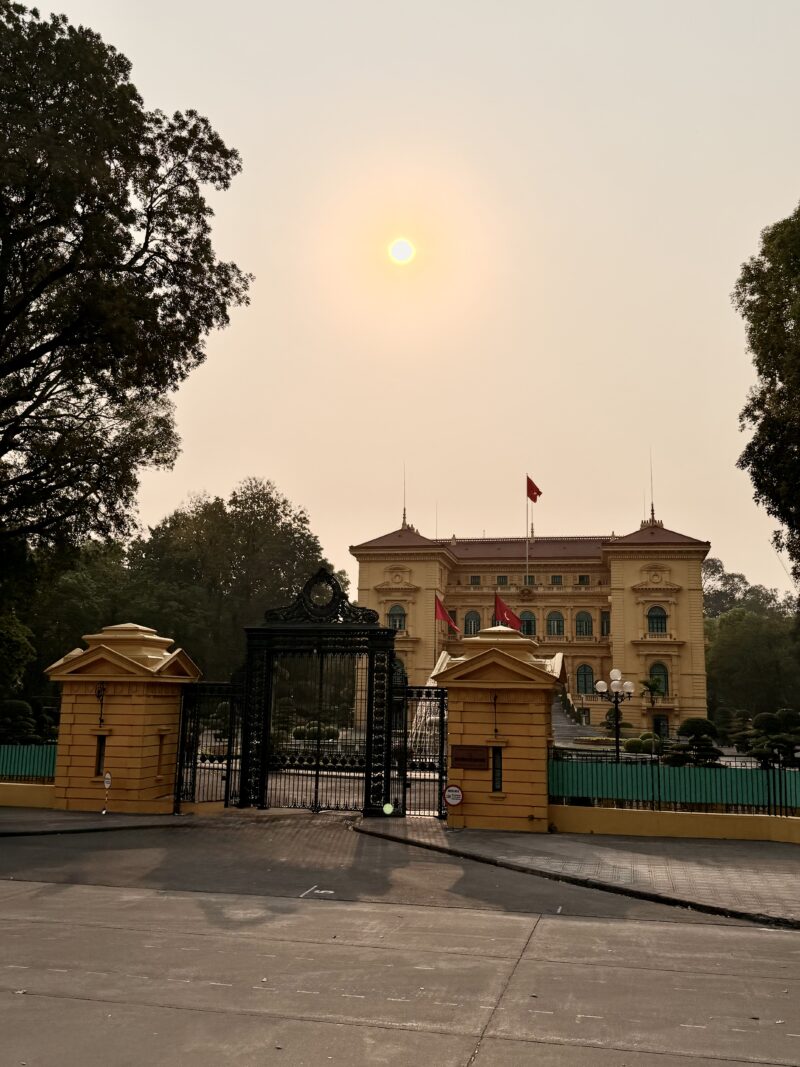
Presidential Palace
Entry: Included in the complex ticket (40,000 VND for grounds)
A grand French colonial building built in 1906. Visitors cannot enter the palace itself, but the gardens and exterior are beautiful and worth exploring.


Ho Chi Minh’s Stilt House
Entry: Included in complex ticket
A simple wooden home where Ho Chi Minh lived and worked from 1958 to 1969. Peaceful, humble, and surrounded by gardens – a striking contrast to the palace nearby.
One Pillar Pagoda (Chùa Một Cột)
Address: Chùa Một Cột, Ba Đình
Entry: Free
Dress code: Cover shoulders and knees
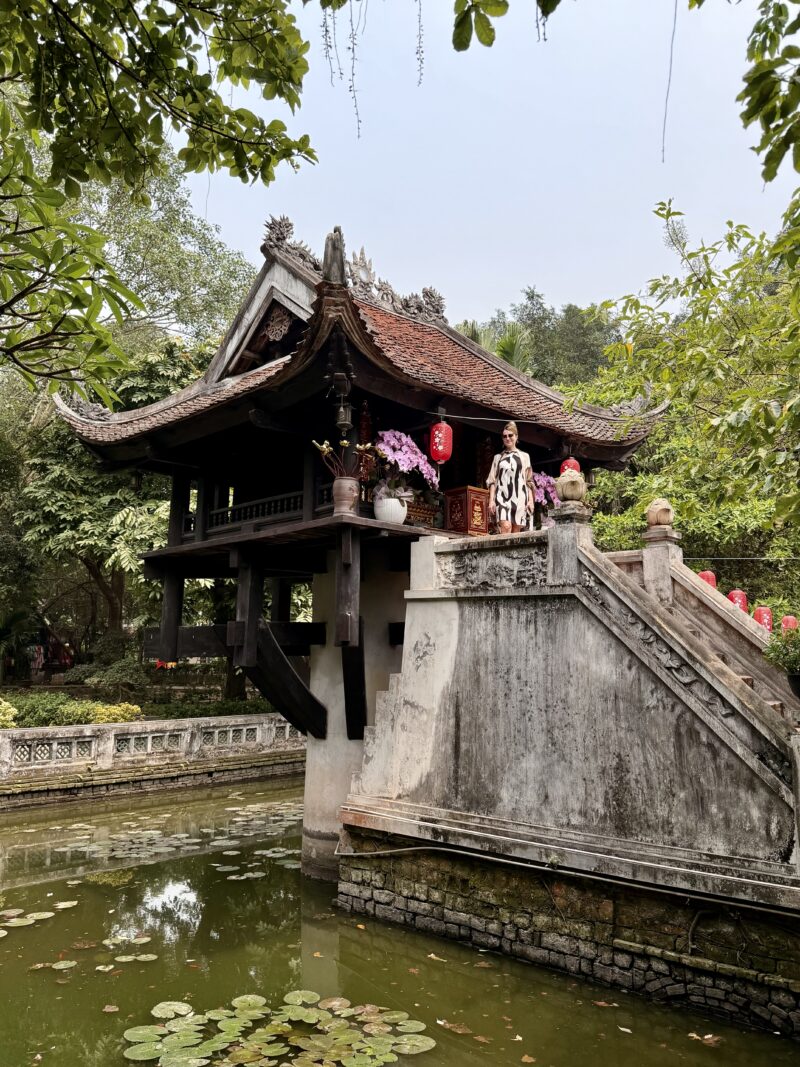
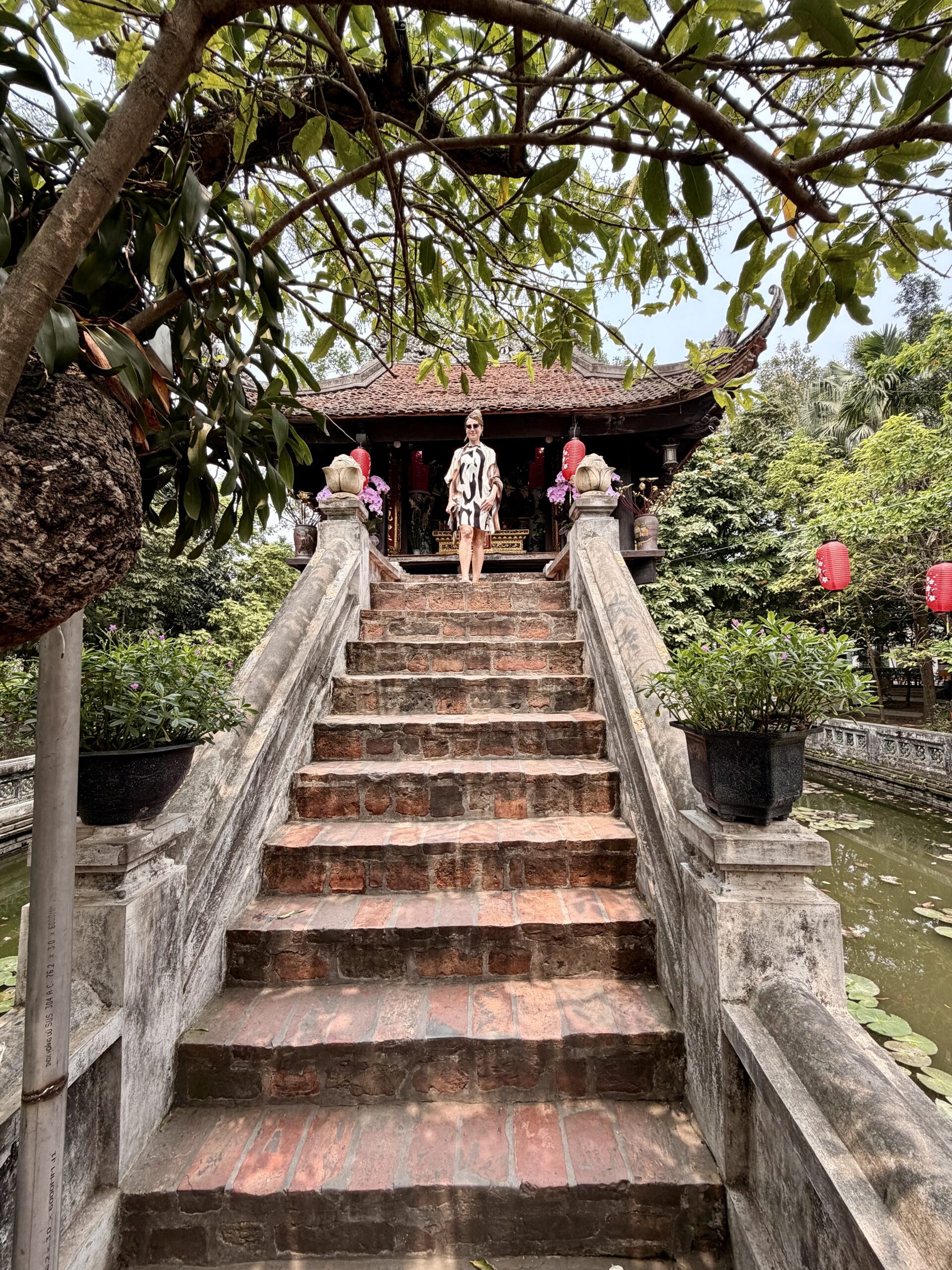
Built in 1049 under Emperor Lý Thái Tông, One Pillar Pagoda is one of Vietnam’s most iconic architectural treasures – and its story is as poetic as its form. According to legend, the emperor dreamt of the bodhisattva Avalokiteshvara handing him a lotus blossom, a symbol of compassion and enlightenment. Interpreting the dream as a divine blessing, he ordered a pagoda to be constructed on a single stone pillar, rising from a lotus pond to mirror the vision.
Over the centuries, the pagoda became a powerful emblem of purity and rebirth in Vietnamese Buddhism. Though small, it has survived dynastic upheavals, wars, and even reconstruction after being destroyed in 1954 – each restoration reinforcing its symbolic resilience. Today, its lotus-like silhouette remains one of Hanoi’s most photographed and meaningful spiritual landmarks, a reminder of how myth, devotion, and history intertwine in the heart of the capital.
Tip: Visit early morning before tour groups arrive.


French Quarter (Khu Pháp) – Hanoi’s Elegant Colonial Heart
Address: Hoàn Kiếm District (around Tràng Tiền & Lý Thường Kiệt streets)
Entry: Free
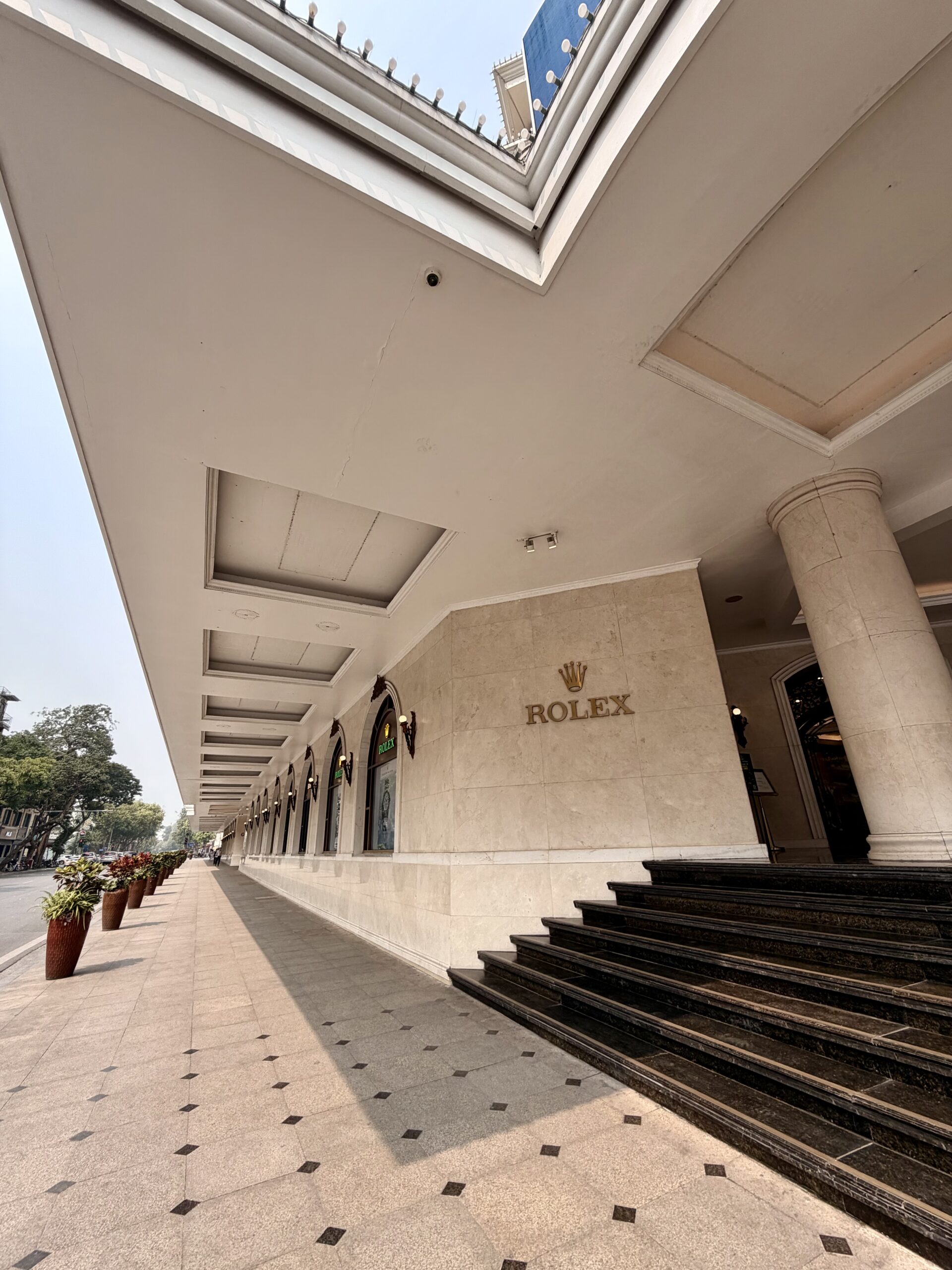
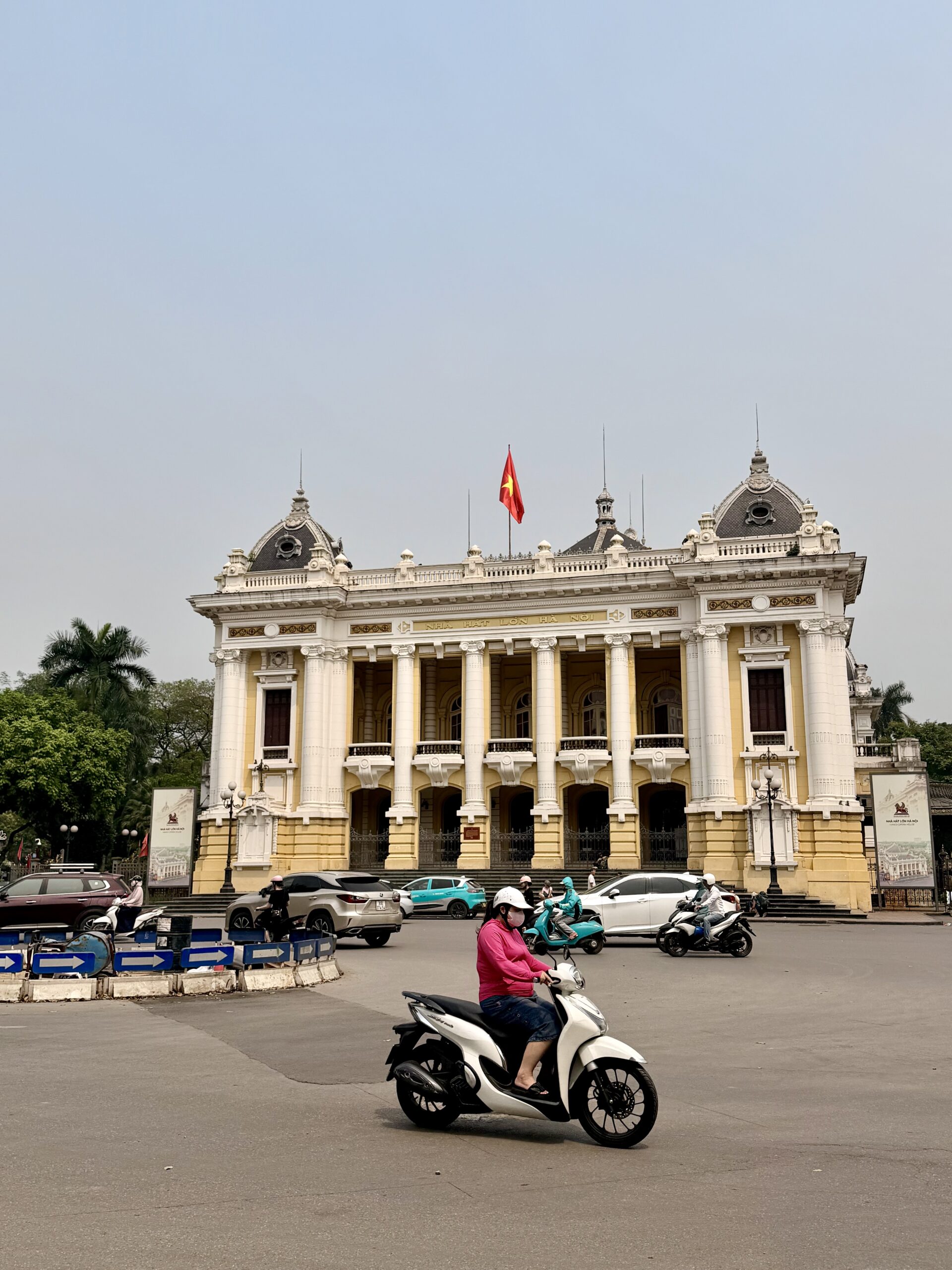
Elegant, spacious, and unmistakably European in character, Hanoi’s French Quarter offers a striking contrast to the frenetic energy of the Old Quarter. Here, wide boulevards, grand colonial villas, embassy buildings, and leafy, shaded streets create a refined district that feels worlds apart – yet deeply woven into the city’s history.
What makes this area so captivating is not just its beauty, but its story. Developed during the late 19th and early 20th centuries under French colonial rule, the district was designed as the administrative and residential center for French officials. Its architecture reflects this ambition: Beaux-Arts facades, pale yellow government buildings, and ornate balconies that echo Parisian streetscapes.
- The French Quarter was once known as the “European Quarter,” a segregated zone where French residents lived in spacious villas while Vietnamese communities were confined to the denser Old Quarter.
- The iconic Hanoi Opera House (1911) was modeled after the Palais Garnier in Paris – but built even more lavishly to showcase French cultural dominance in Indochina.
- Many of the district’s villas were originally homes of colonial administrators, military officers, and wealthy merchants; today, several serve as embassies, luxury hotels, or cultural institutions.
- The area’s grid layout – unusual for Hanoi – was intentionally designed to reflect French urban planning principles, emphasizing order, symmetry, and grandeur.
Highlights:
- Embassies
- Government buildings
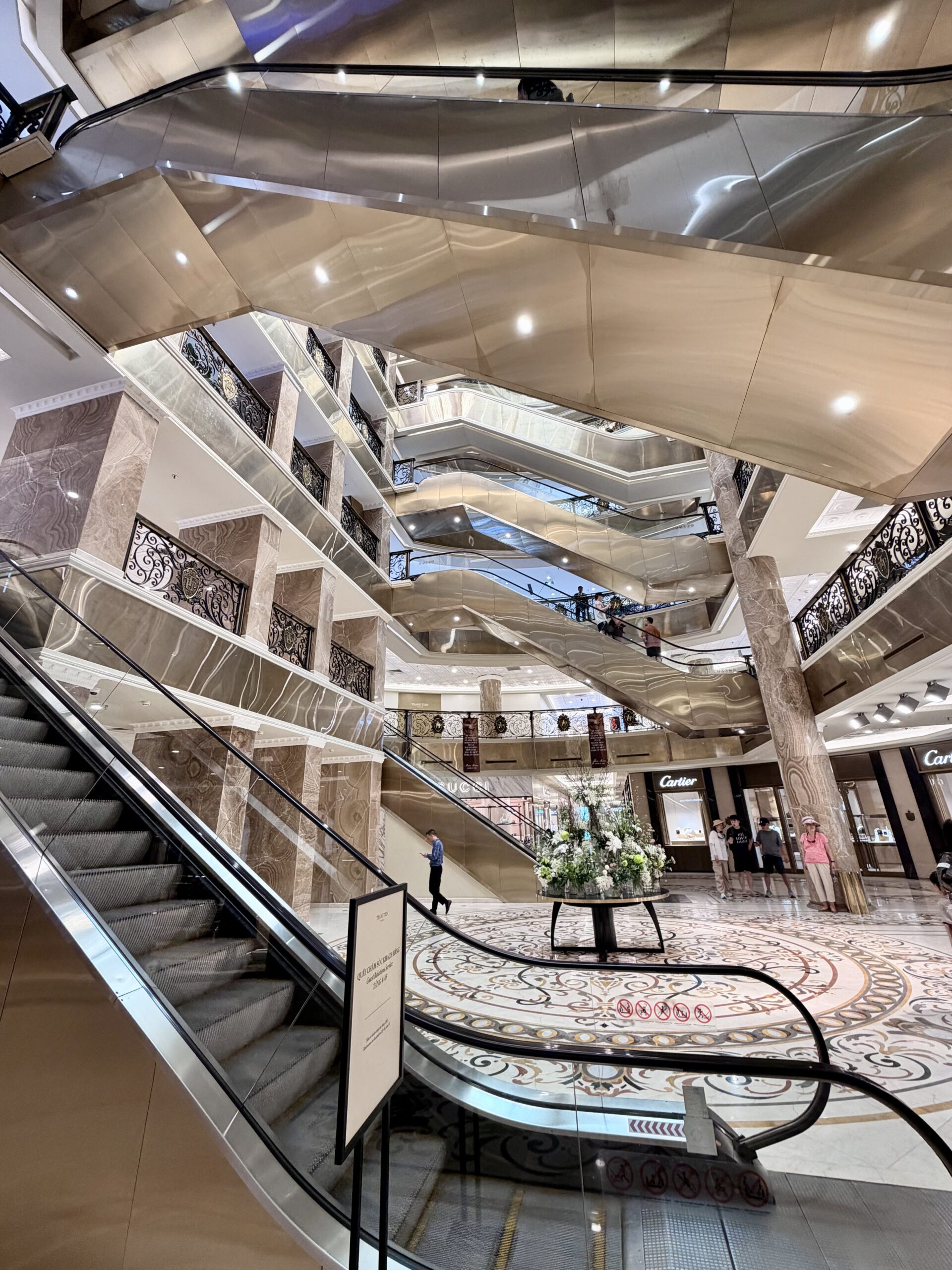
- Upscale cafés
- Art galleries
- Boutique shops

Getting Around Hanoi
Grab (Highly Recommended)
Vietnam’s version of Uber – cheap, safe, and reliable. Perfect for short hops around the city. Never take Grab cars or motorbikes directly from the street, as drivers may charge significantly higher unofficial rates. Always book through the Grab app, where prices are fixed, transparent, and far more affordable.
Typical cost:
- Short rides within the Old Quarter: 20,000 – 40,000 VND (£0.60–£1.20)
- Longer rides (e.g., West Lake or French Quarter): 60,000 – 120,000 VND (£2–£4)
Rickshaw
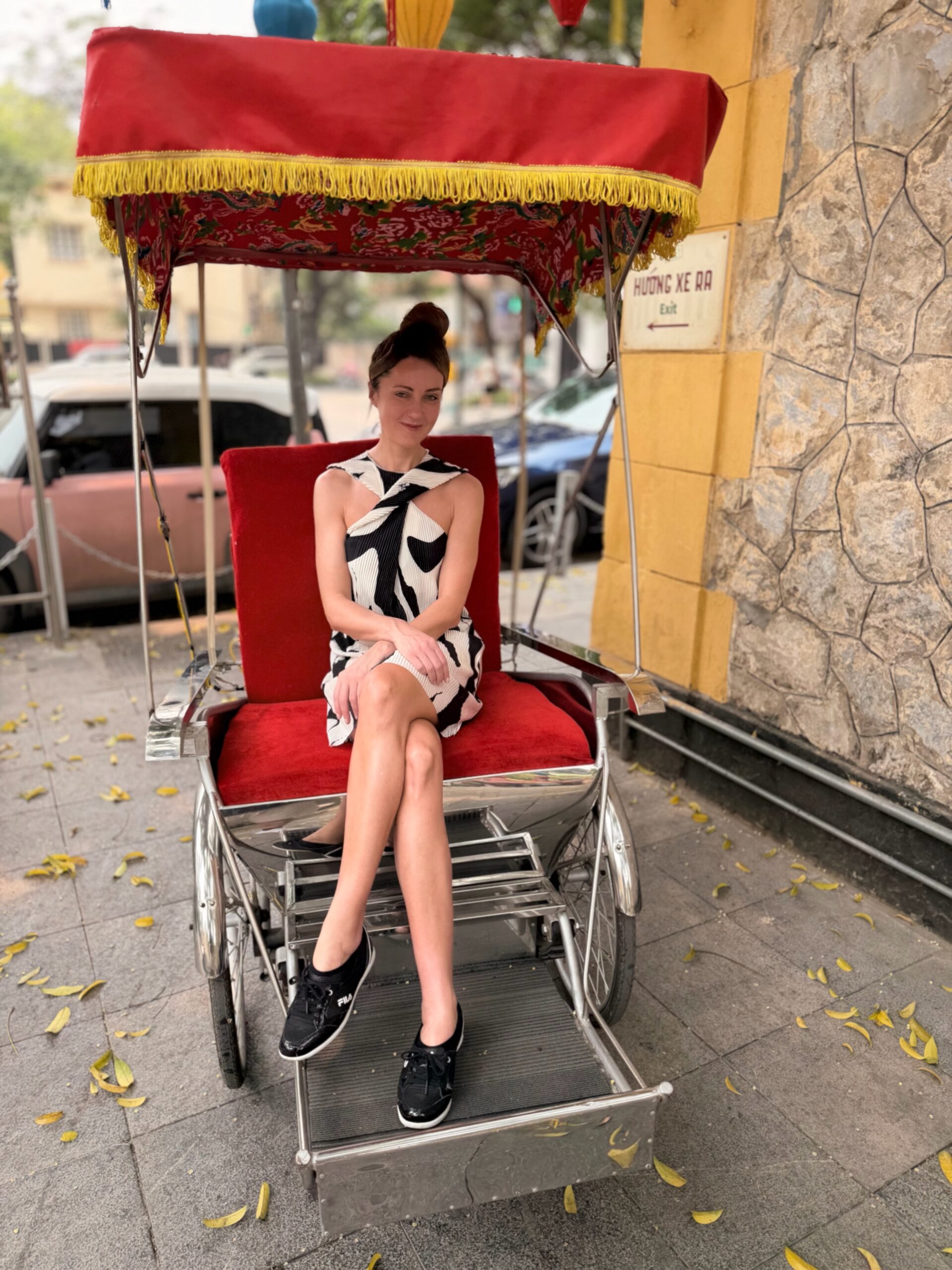
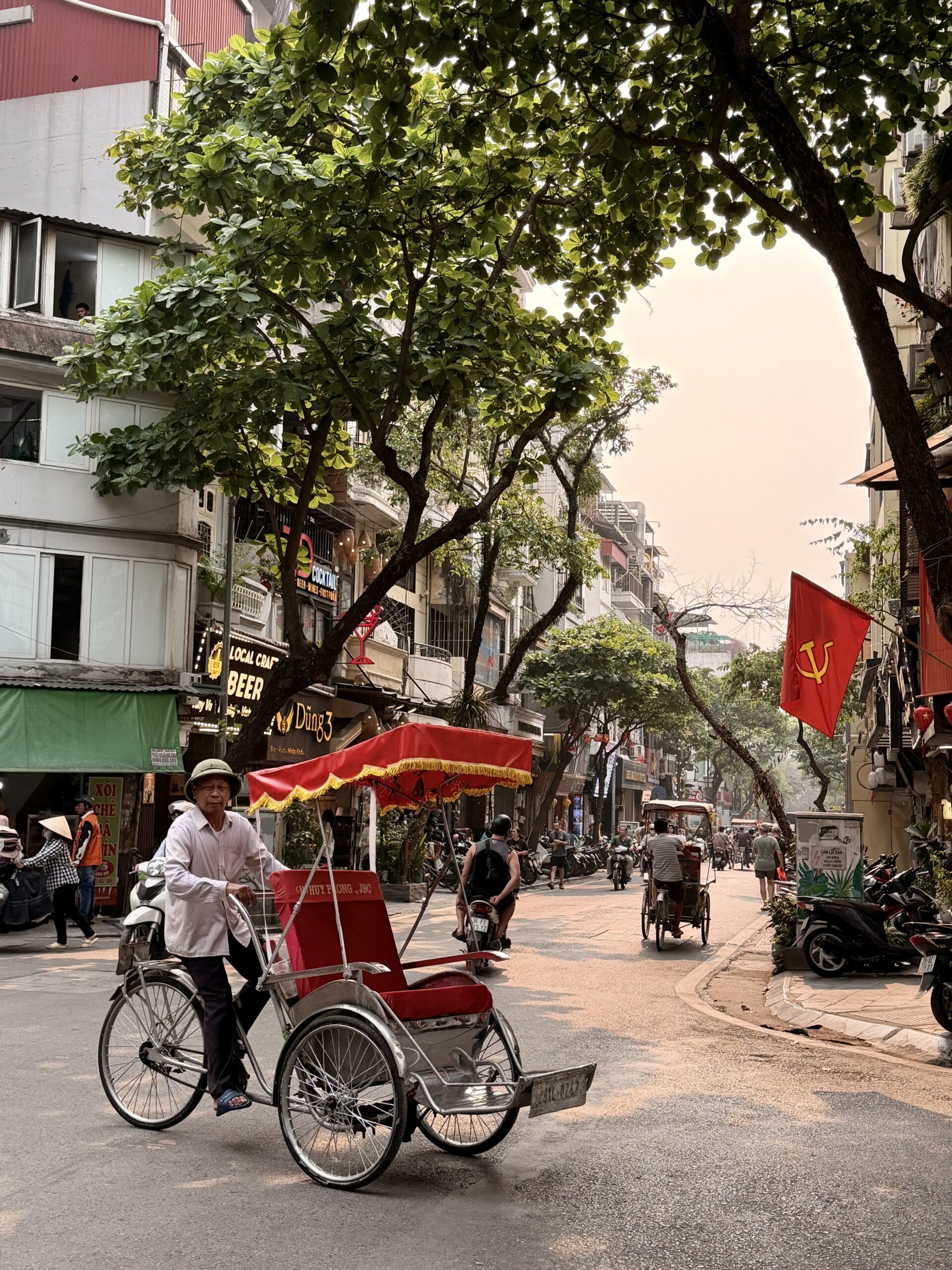
A charming way to explore the Old Quarter at a slow, scenic pace. Agree on the price beforehand.
Typical cost:
- 30 – 45 minutes: 150,000 – 200,000 VND (£4.50–£6)
- 1 hour: 250,000 – 300,000 VND (£7.50–£9)
War Jeep Tours
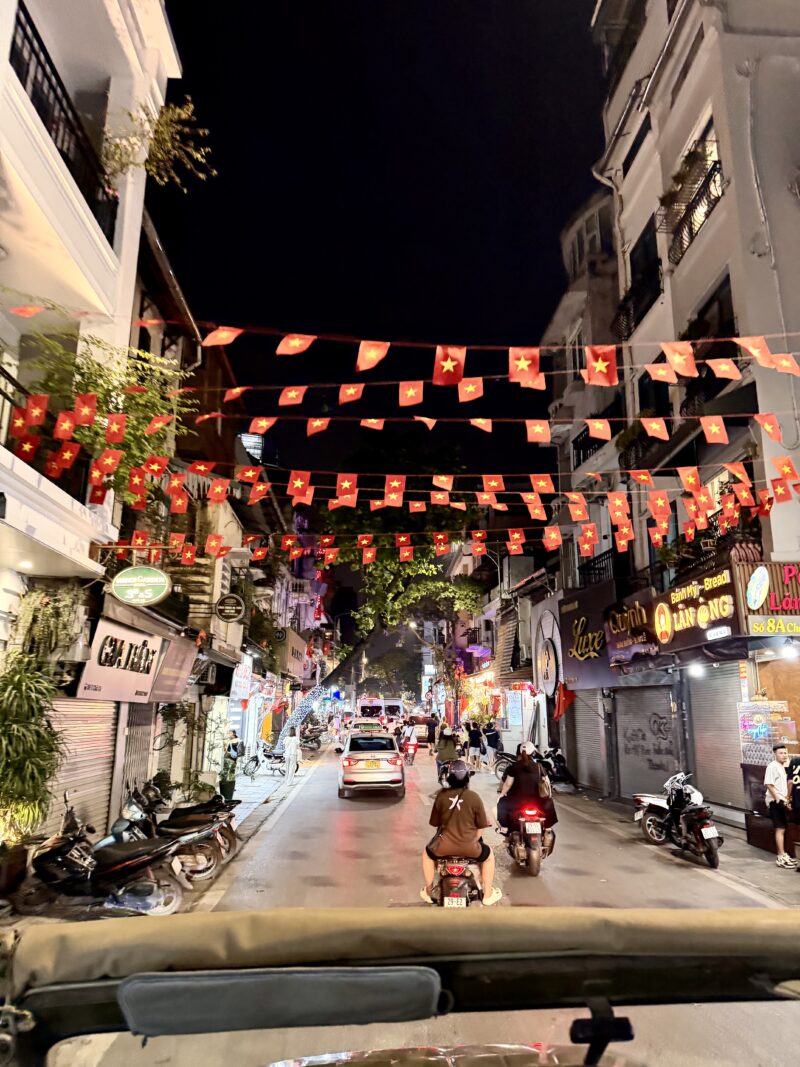
For something unforgettable, book a vintage Vietnam War – era jeep tour through Hanoi or the surrounding countryside. These tours are adventurous, authentic, and offer a unique perspective on local life.
You can choose between:
Countryside Jeep Tours – rice fields, craft villages, local markets, and rural temples
My recommended tour: Hanoi Countryside Thon Mach Trang Village Tour. Available on GetYourGuide, link HERE. This tour takes you through quiet villages, lush rice fields, and local workshops – a refreshing escape from the city and one of the most memorable experiences of the trip. It’s adventurous, authentic, and offers a glimpse of rural life beyond the city.
City Jeep Tours – exploring the French Quarter, West Lake, Long Bien Bridge, and hidden backstreets.
Where to book:
- GetYourGuide
- Viator
- Local operators (often bookable via WhatsApp)
Typical cost:
- City Jeep Tour (3 – 4 hours): 1,200,000 – 1,600,000 VND per person (£35 – £50)
- Countryside Jeep Tour (4 – 5 hours): 1,600,000 – 2,200,000 VND per person (£50 – £70)



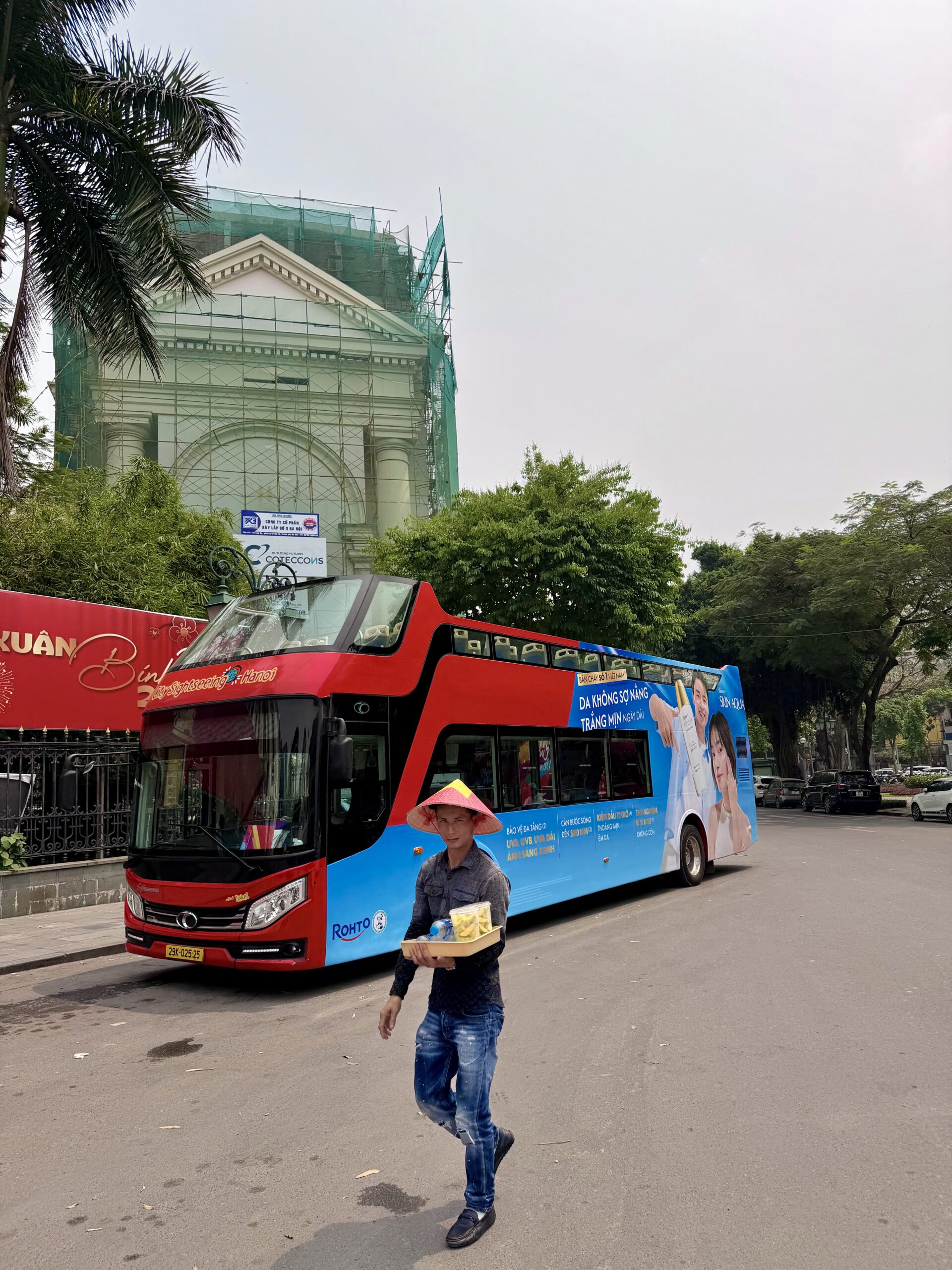
Hanoi City Bus Tour (Hop‑On Hop‑Off)
Price: ~300,000 – 450,000 VND (£9–£13)
Where to book:
- Ticket kiosks near Hoan Kiem Lake
- Online via GetYourGuide

What and Where to Eat in Hanoi
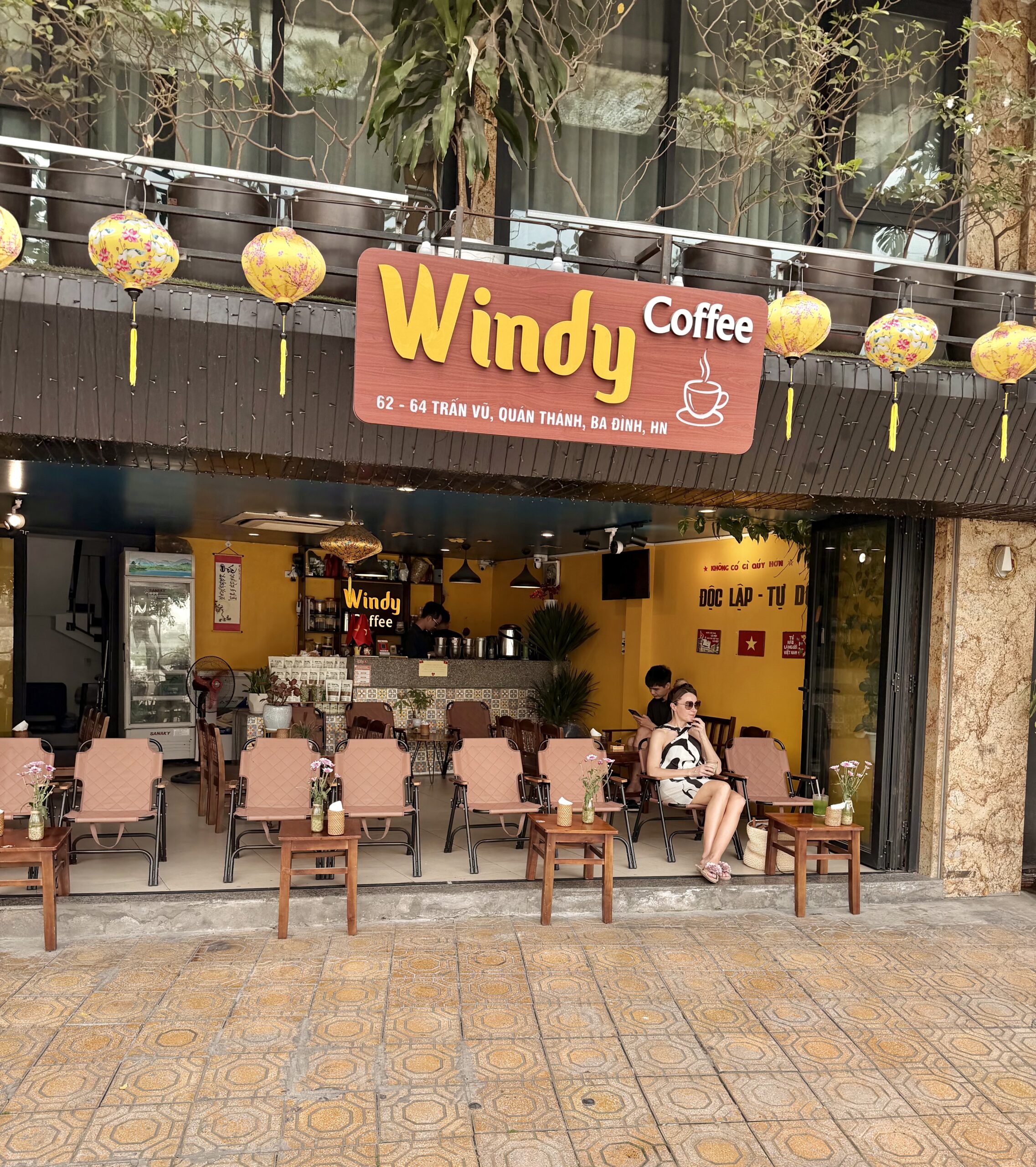
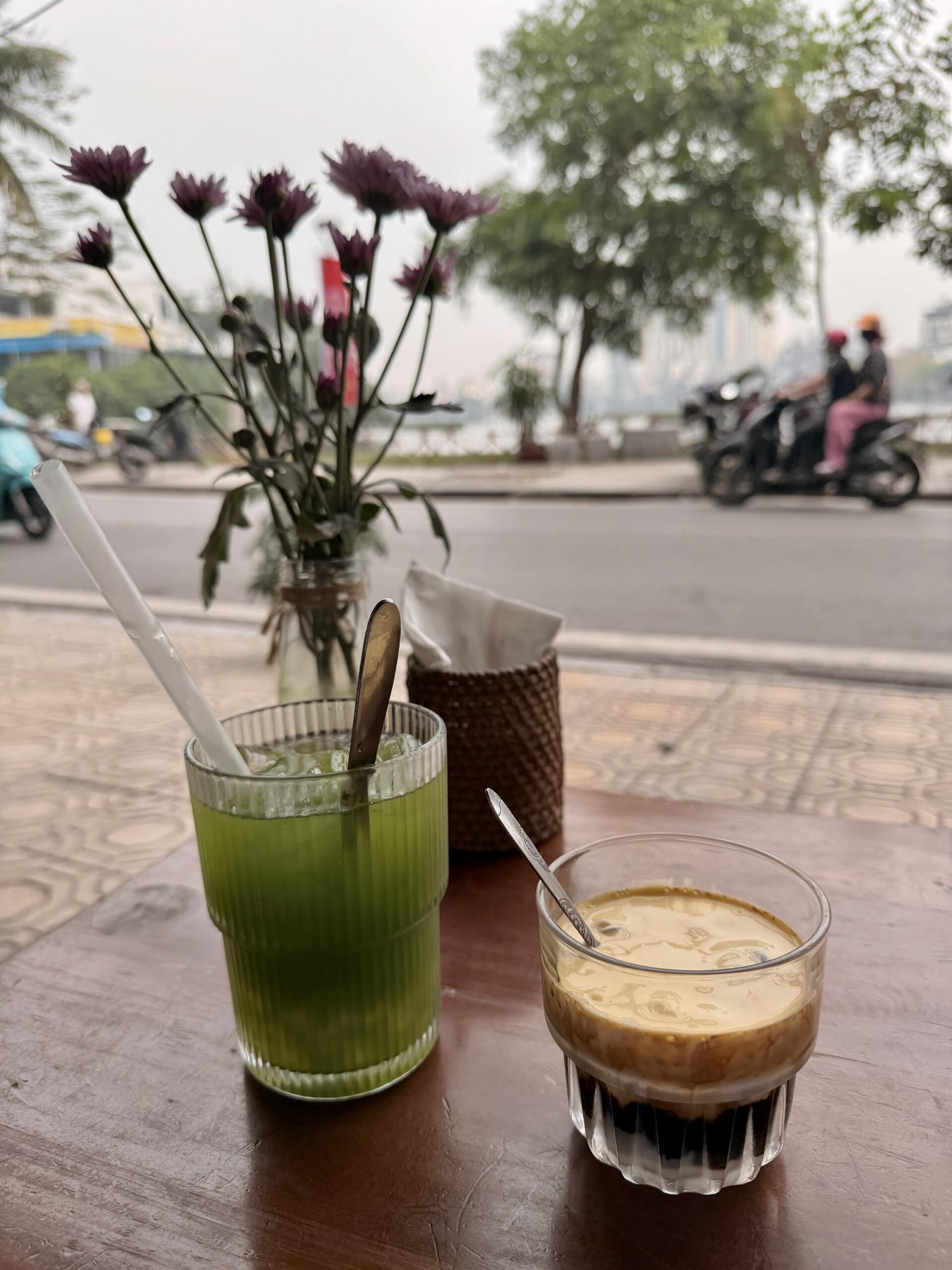
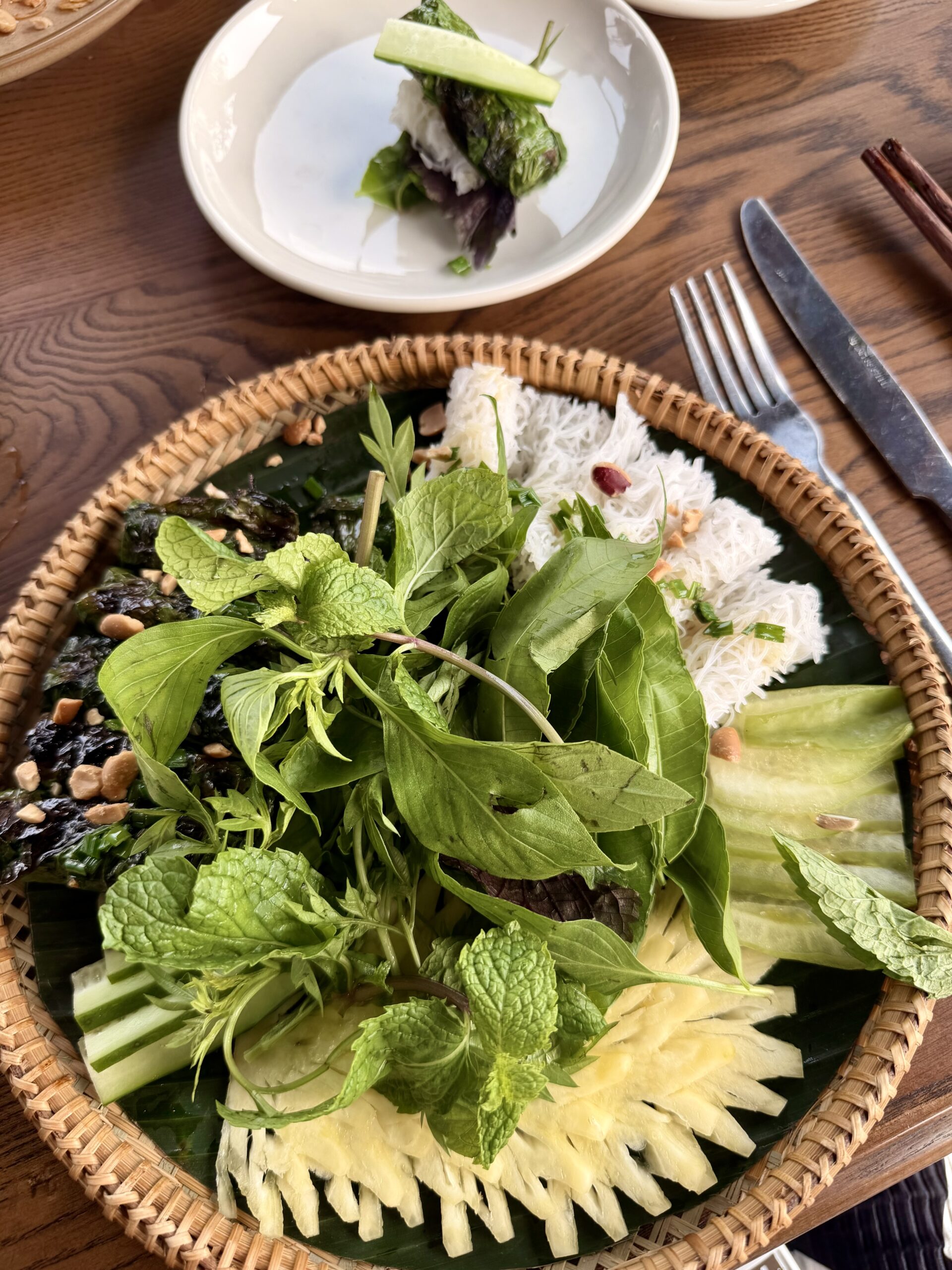
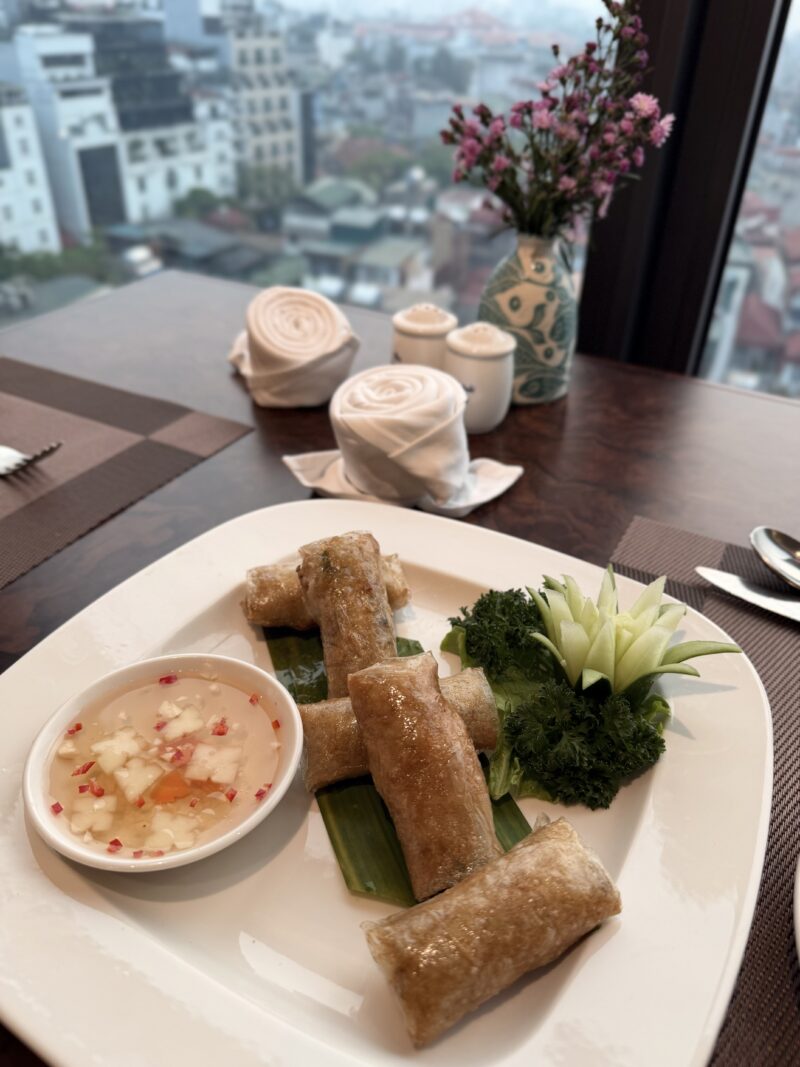
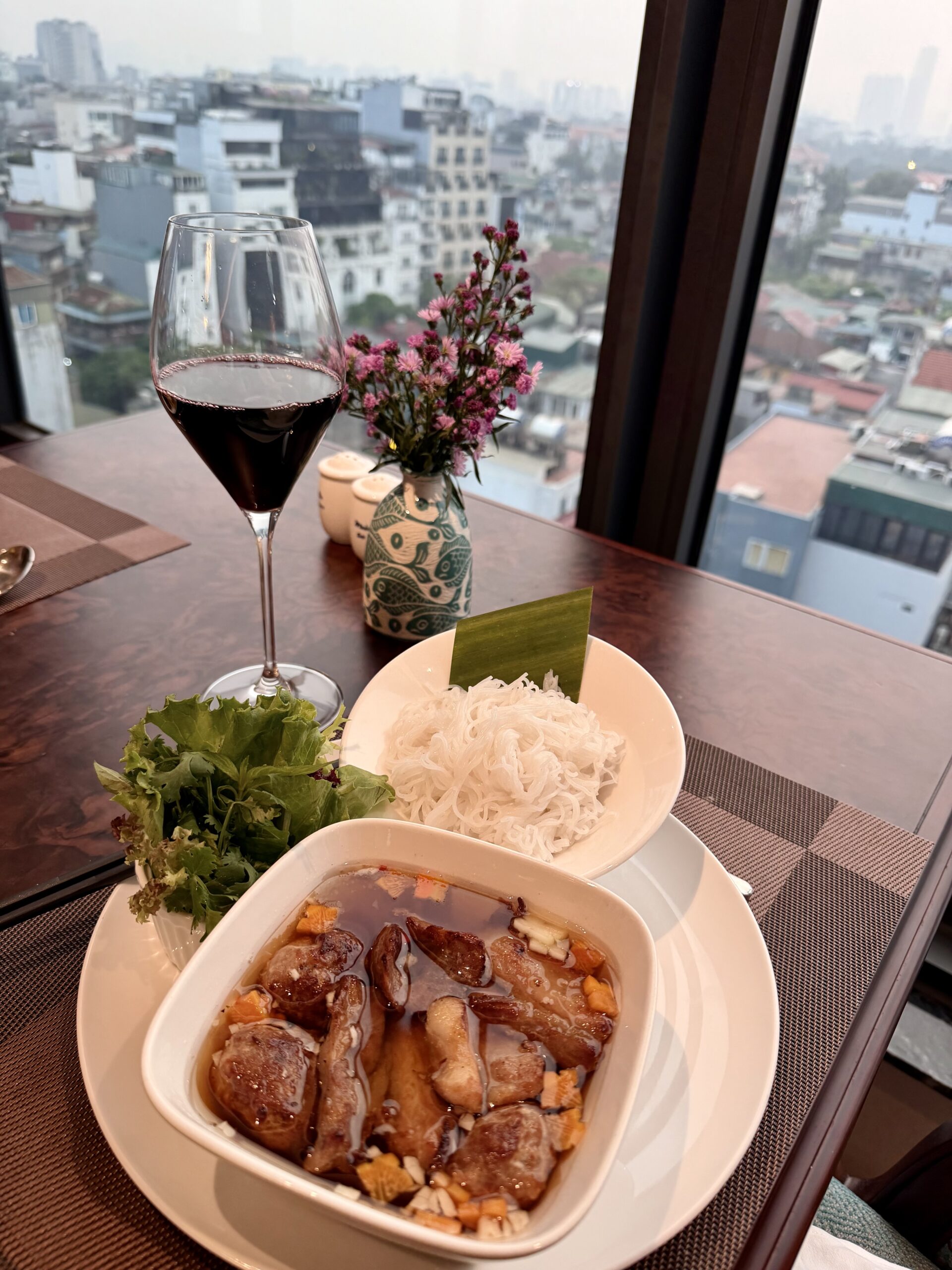
From hidden gems to sky‑high views, Hanoi delivered some unforgettable dining moments. Mesdames Linh Cuisine stood out for its beautifully executed Vietnamese dishes – comforting, authentic, and full of depth. For a more elevated experience, Solar Sky Bar offered sweeping city views paired with surprisingly traditional flavours, making it the perfect spot to unwind above the bustle. Over by West Lake, Windy Coffee became a favourite: a relaxed lakeside hideaway serving one of the best egg coffees I’ve had, with tranquil water views that make you want to linger. And tucked just off Hoan Kiem Lake, Cau Go Restaurant impressed with its refined Vietnamese menu and panoramic outlook – a true hidden gem where the food and scenery are equally memorable.
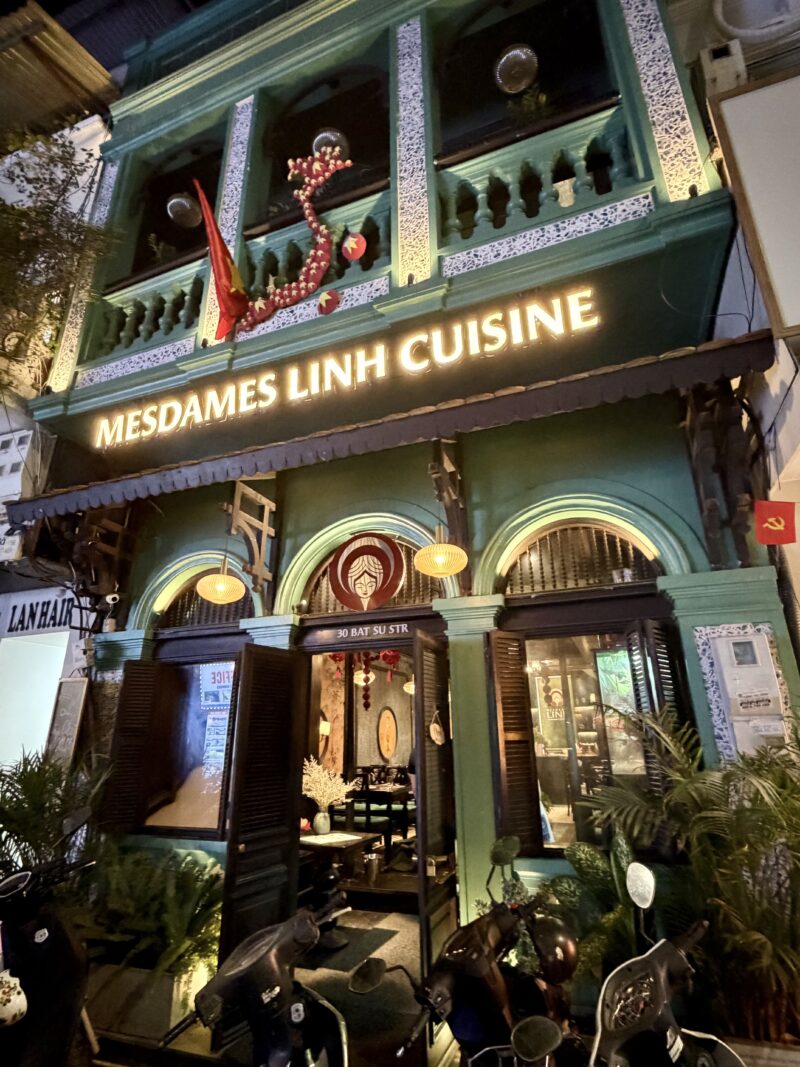
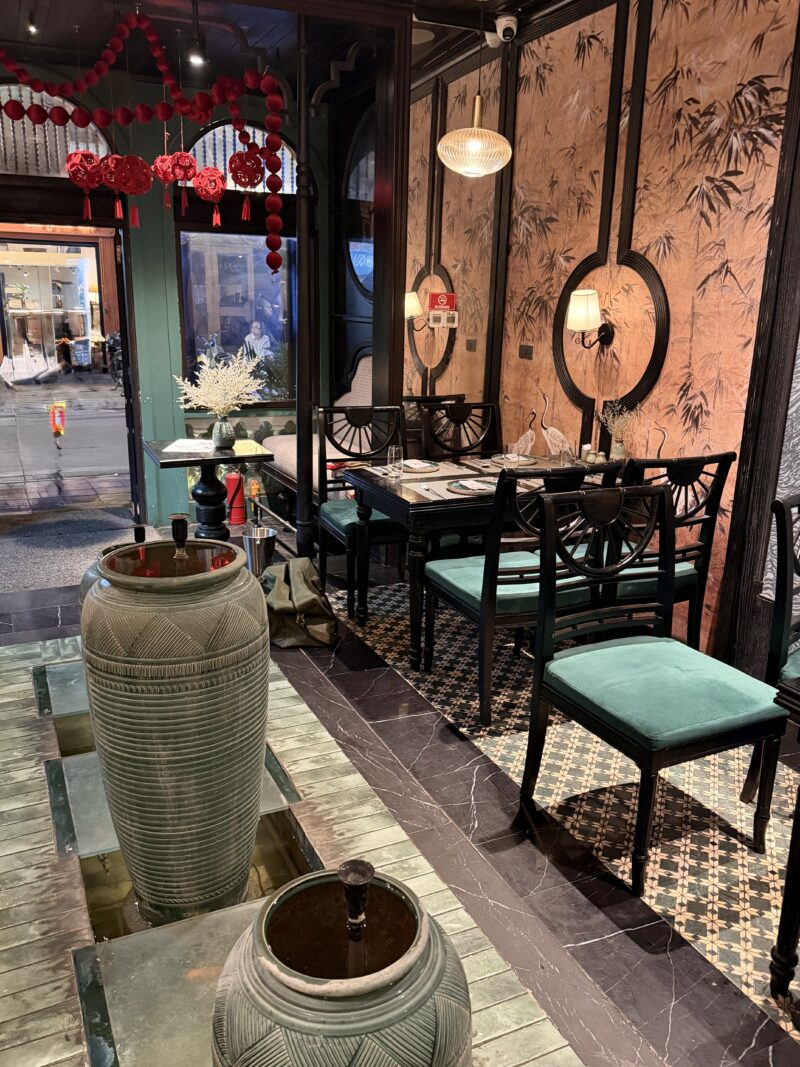
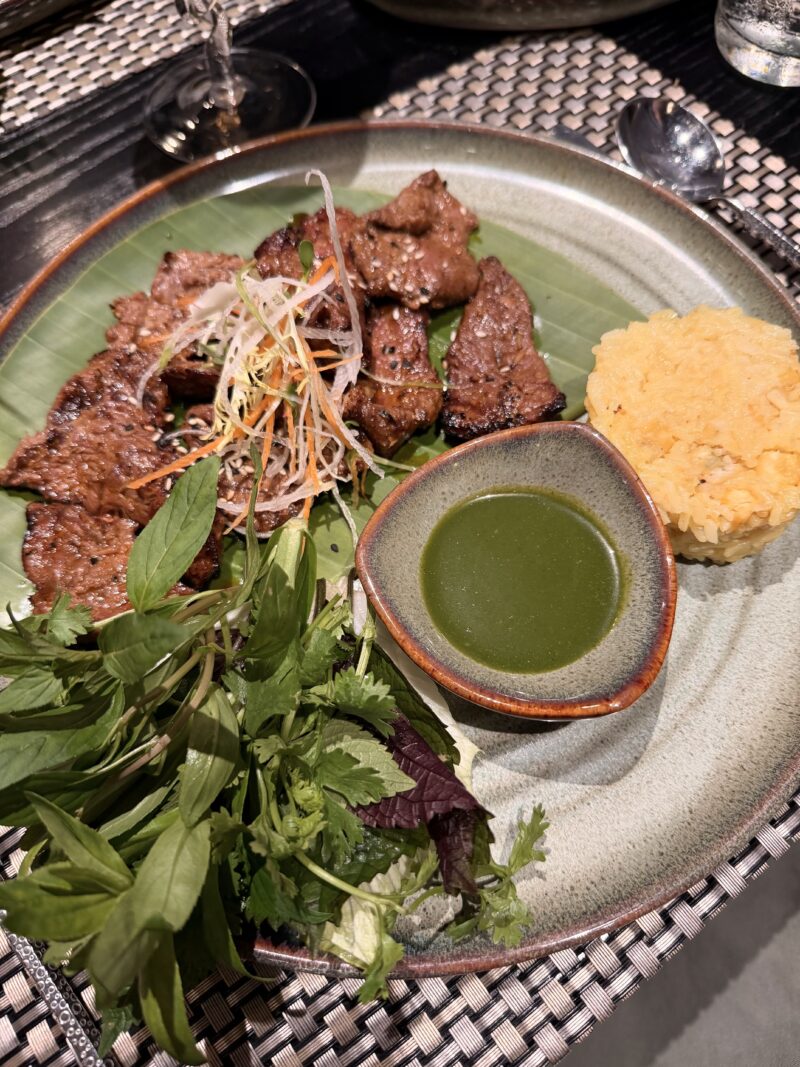
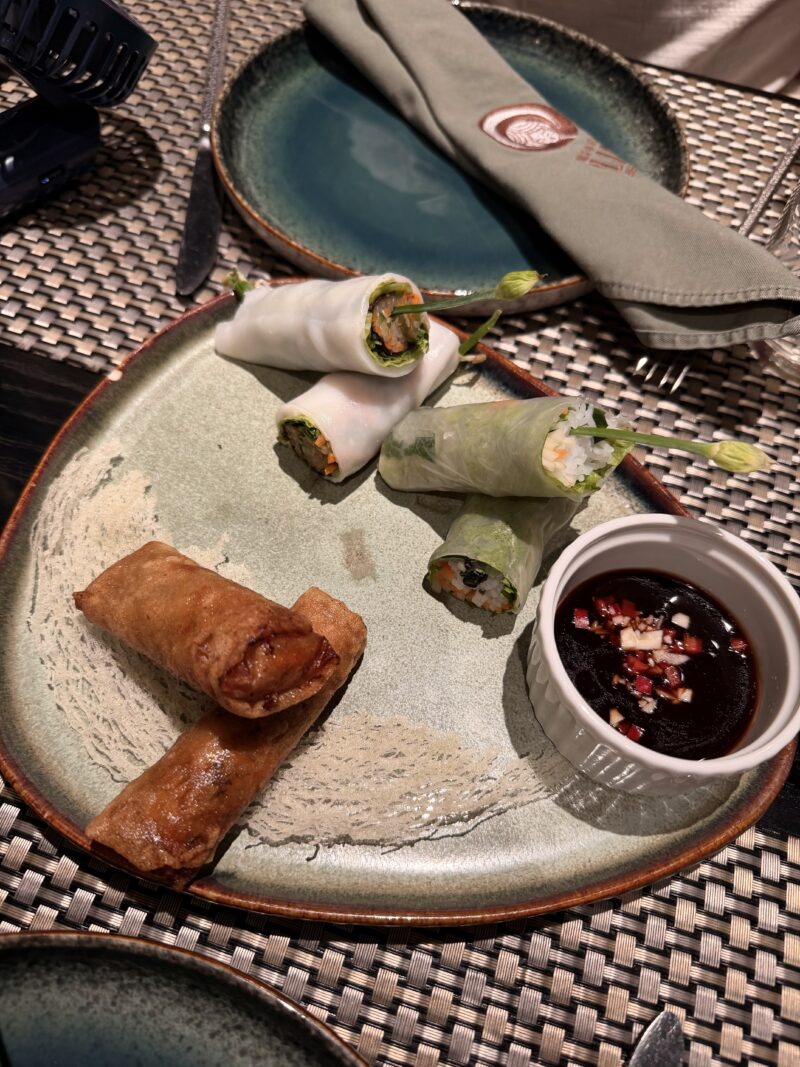
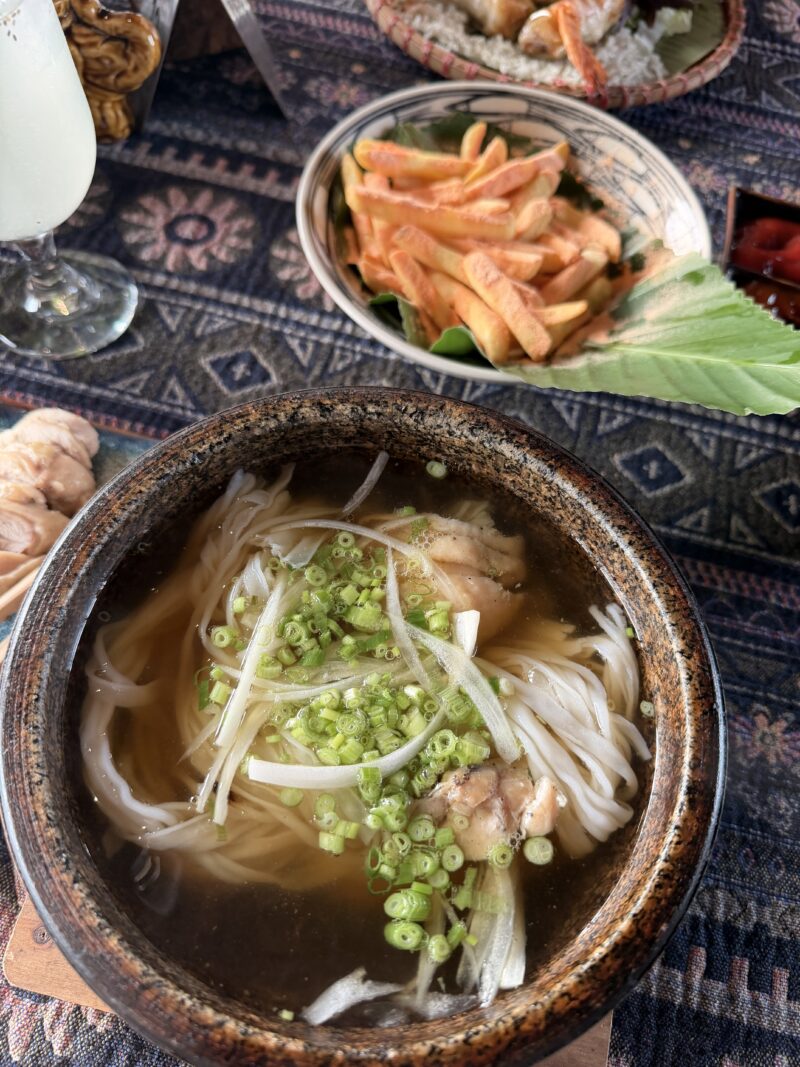
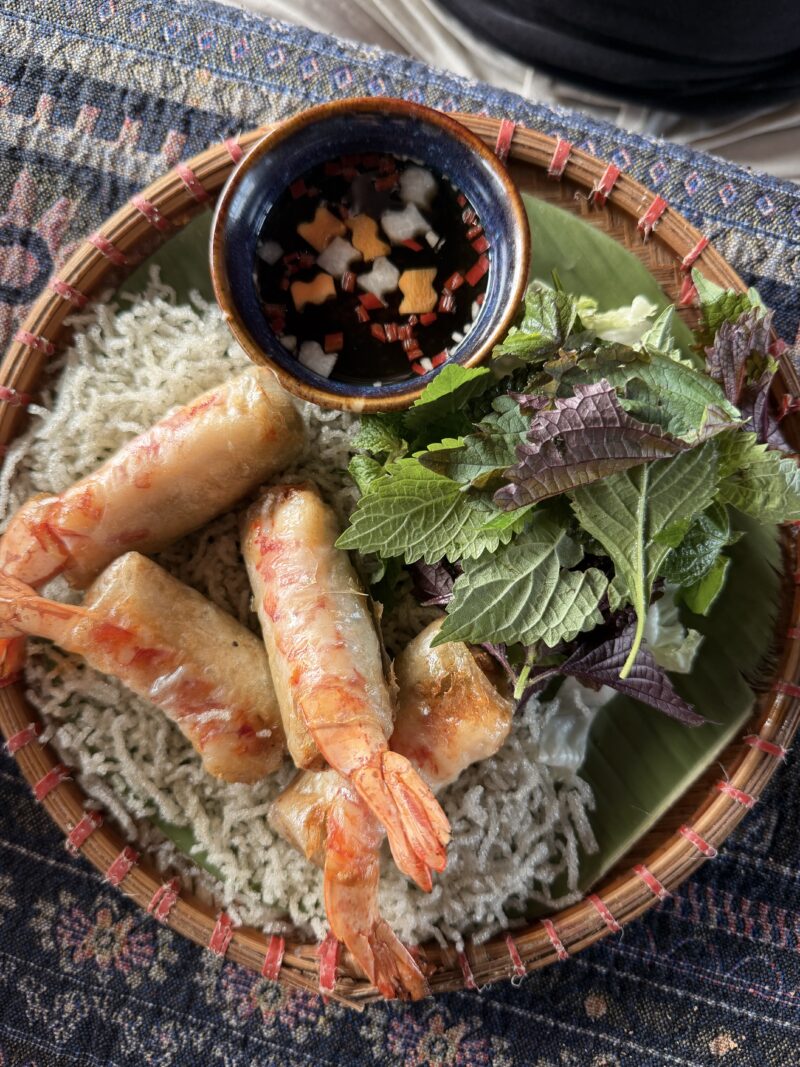
Mesdames Linh Cuisine Restaurant


Phở – Vietnam’s National Comfort Bowl
A steaming bowl of phở is the essence of Hanoi: clear broth simmered for hours with beef bones, star anise, cinnamon, and charred ginger; silky rice noodles; and tender slices of beef or chicken. It’s light yet deeply aromatic – the kind of dish locals enjoy at dawn, perched on tiny stools as the city wakes.
Bún Chả – Smoky, Sweet, and Quintessentially Hanoi
Bún chả is a beautiful balance of flavours: grilled pork belly and minced pork patties caramelised over charcoal, served in a warm, tangy broth with pickled papaya, fresh herbs, and cold rice noodles. It’s messy, fragrant, and utterly addictive – the kind of dish that defines Hanoi’s street‑food culture.
Egg Coffee – Hanoi’s Sweet, Silky Invention
Born in the 1940s when milk was scarce, egg coffee is a decadent blend of strong Vietnamese coffee topped with a cloud of whipped egg yolk, sugar, and condensed milk. The result is velvety, custard‑like, and surprisingly light – more dessert than drink.
Nem Rán (Fried Spring Rolls) – Crispy, Golden Perfection
Hanoi’s nem rán are crisp, delicate spring rolls filled with minced pork, glass noodles, mushrooms, and fragrant herbs. They’re fried until golden and served with dipping sauce made from fish sauce, lime, garlic, and chilli. Each bite is crunchy, savoury, and deeply satisfying.
Gỏi Cuốn (Fresh Spring Rolls) – Light, Fresh, and Fragrant
For something lighter, gỏi cuốn are fresh rice‑paper rolls filled with prawns, herbs, vermicelli, and crisp vegetables. They’re refreshing, healthy, and perfect for warm Hanoi afternoons.
Hanoi is a city that lingers with you long after you’ve left – not because of any single landmark, but because of the way everything blends together: the scent of incense drifting from ancient pagodas, the echo of church bells at St. Joseph’s, the hum of scooters weaving through the Old Quarter, the stillness of West Lake at dusk, and the warmth of people who greet you with genuine kindness.
It’s a place where history is not confined to museums but lives in the streets, where modern cafés sit beside centuries‑old temples, and where every bowl of phở or cup of egg coffee carries a story. Whether you’re wandering through the French Quarter, watching a train thunder past on Train Street, or sitting quietly inside a pagoda built nearly a thousand years ago, Hanoi has a way of slowing you down and drawing you in.
Hanoi is not just a destination – it’s a feeling.


