
Table of contents
- York Minster: A Timeless Testament to Faith, Craftsmanship, and Majesty
- York’s City Walls: 2,000 Years of History Beneath Your Feet
- The National Railway Museum – Where Britain’s Rail Story Comes to Life
- York Castle Museum – Where 1,000 Years of History Come Alive
- Clifford’s Tower – A Norman Stronghold with a Thousand Stories
- The Shambles – England’s Best‑Preserved Medieval Street
- The Jorvik Viking Centre – Step Back to 10th‑Century York
- Roman Baths – Ancient Leisure Beneath a Modern Pub
- York’s Twin Waterways: Where History Flows with the Tide
- Dining Gems
- Legacy at The Grand, York: Dining Through the Ages in Five-Star Style
- NOLA, York: Where Gatsby Glamour Meets Cajun Heat
- The Ivy St. Helen’s Square: Where York’s History Meets Haute Brunch
- Tick-Tock and Tantalise: Dining at Ate O’Clock
- Forest, York: Where History, Hedgerows & Heavenly Plates Meet
- The Rise at The Grand, York: Where Five-Star Glamour Meets Yorkshire Heart
- SOPHiE: Where Coffee Meets Curiosity on the Bridge
- No Map, Just Magic: York’s Shopping Adventure
- Why York Will Steal Your Heart
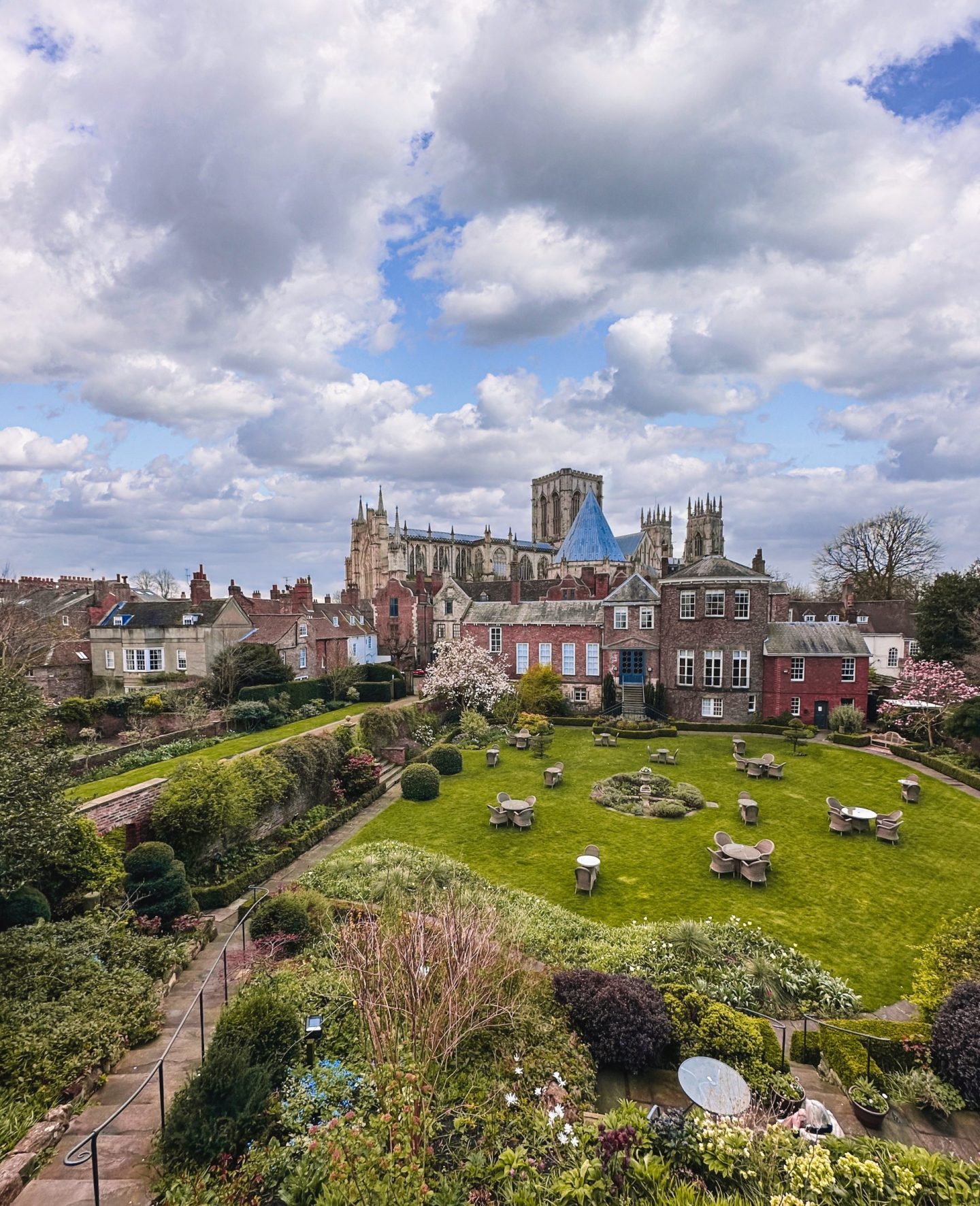
York, a city brimming with history, charm, and endless discoveries waiting to be made. Nestled in the heart of Yorkshire, England, this beautiful city boasts a rich tapestry of architectural wonders, cultural treasures, and natural beauty that beckons visitors from near and far. Whether you’re a history buff, a culture enthusiast, or simply seeking a memorable adventure, York offers something for everyone to enjoy.
Join me as we embark on a journey through this historic city and discover its most captivating sights and experiences.
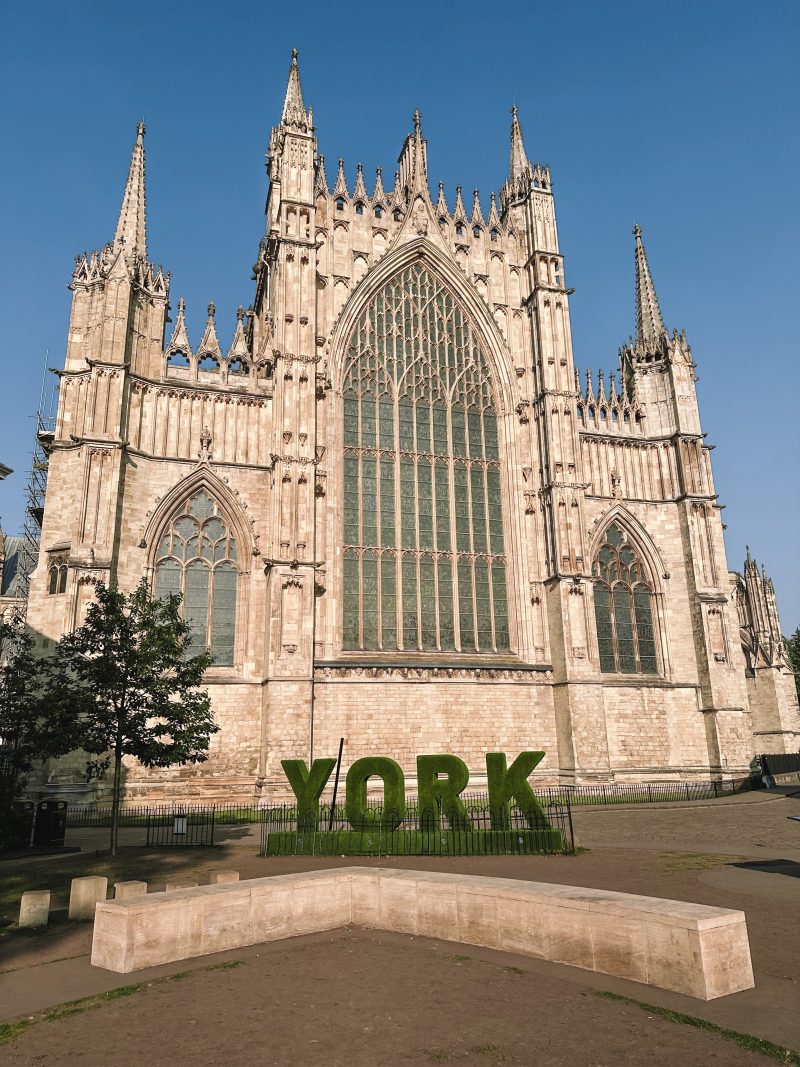
York Minster: A Timeless Testament to Faith, Craftsmanship, and Majesty
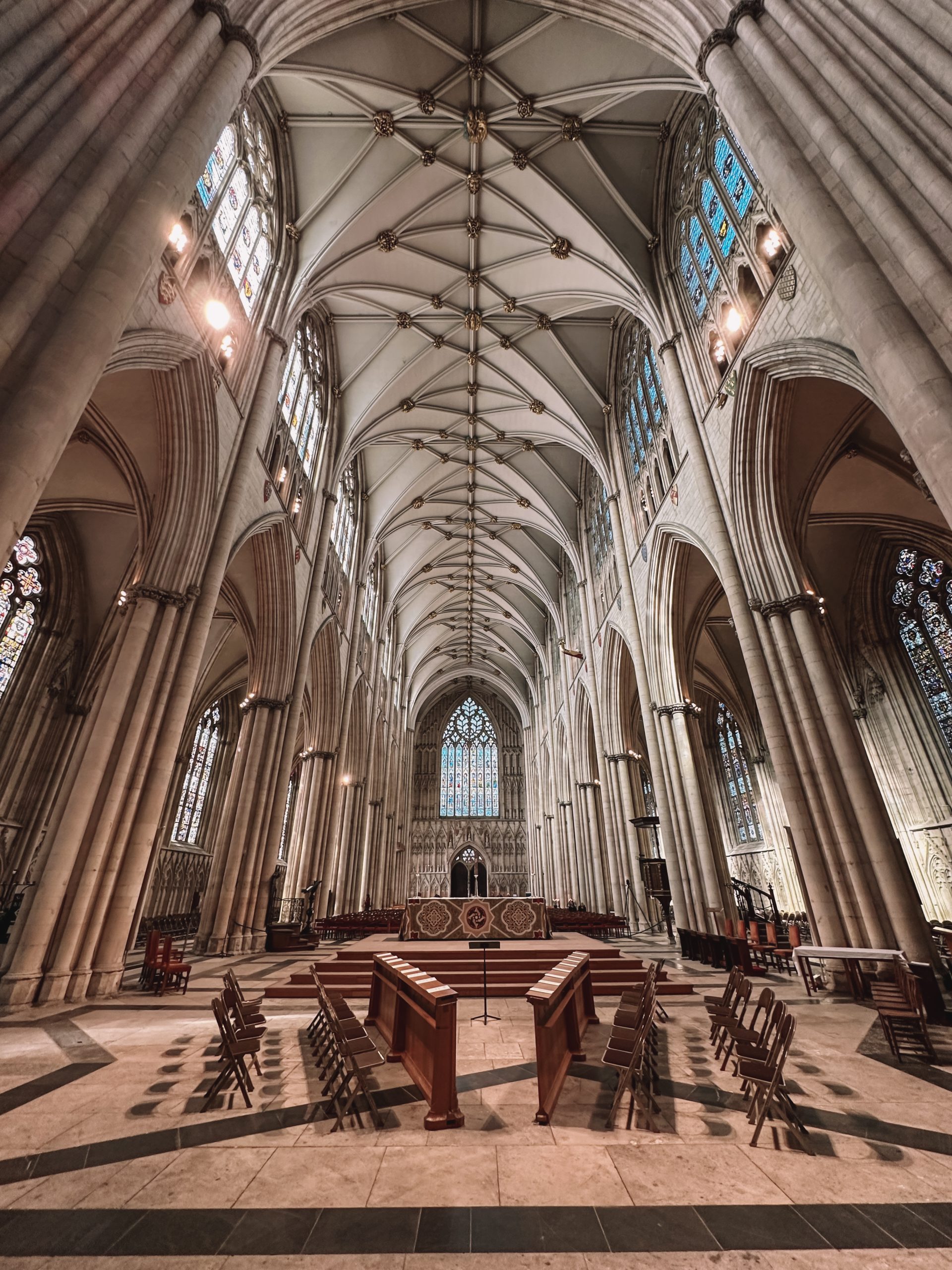
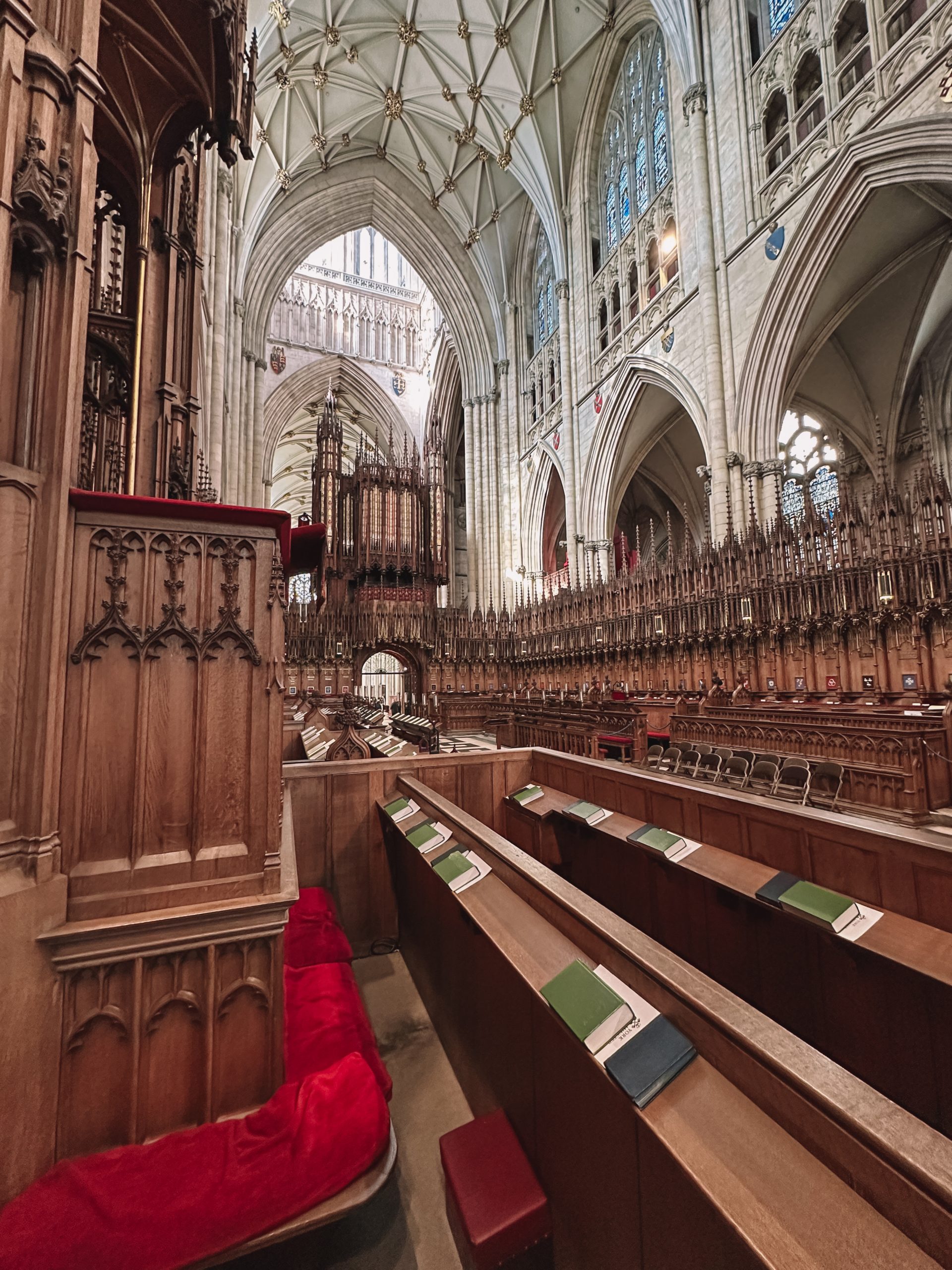
No visit to York is truly complete without stepping into the awe-inspiring presence of York Minster — one of the most magnificent Gothic cathedrals in Europe and a spiritual heart of northern England. With origins tracing back to the 7th century, the Minster stands as a layered chronicle of British history, from its Roman foundations to its medieval grandeur and modern-day reverence.
Inside, the cathedral reveals a breathtaking collection of medieval stained glass, much of it remarkably preserved. The Great East Window, depicting the Last Judgment, is the largest single expanse of medieval stained glass in the world – a masterpiece of storytelling in light and colour that continues to inspire awe centuries after its creation.
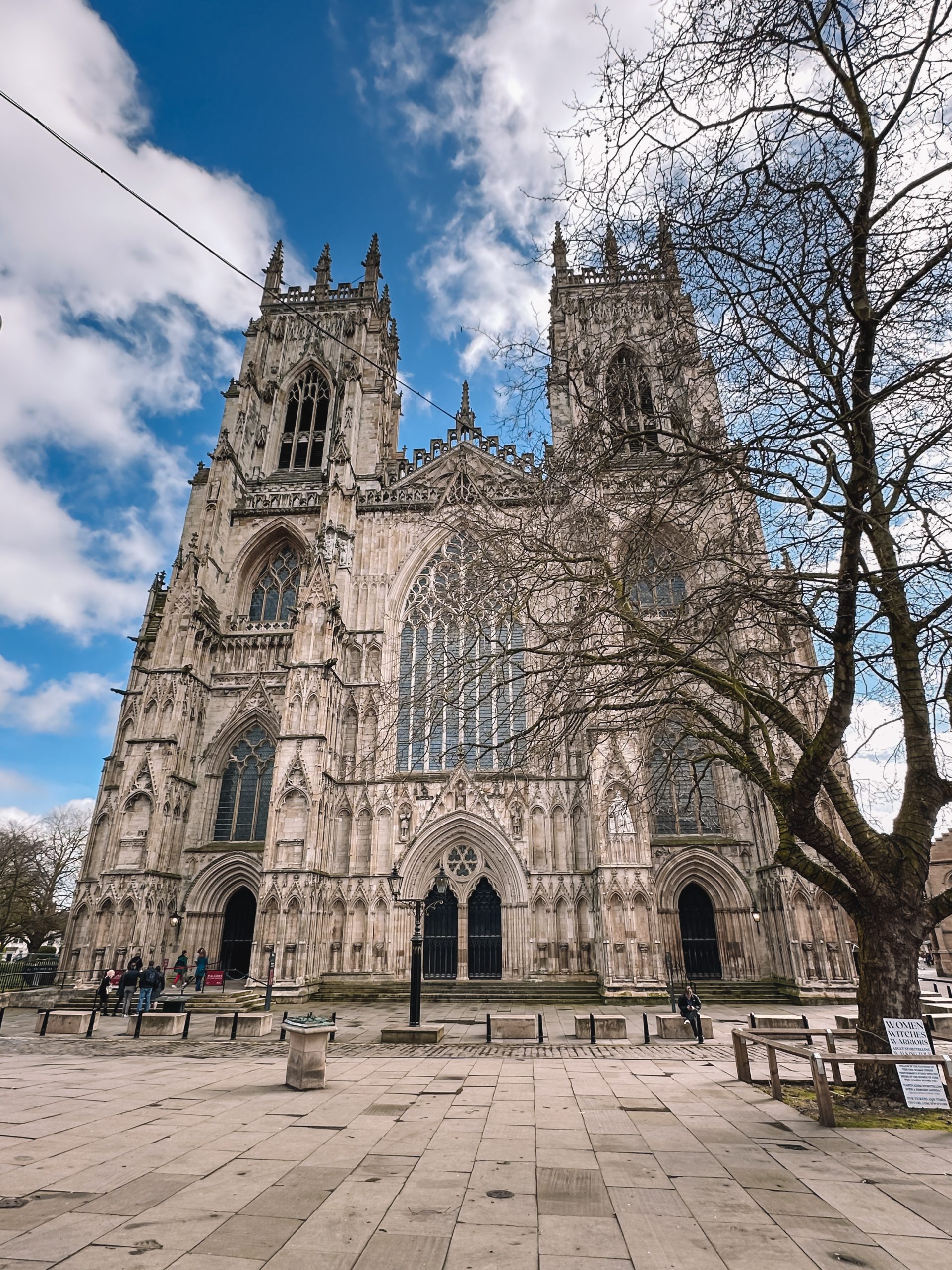

In November 2022, a new chapter was added to the Minster’s legacy when King Charles III unveiled a statue of Queen Elizabeth II, now quietly watching over the city from a niche on the west façade. It’s a subtle yet poignant tribute, linking the cathedral’s ancient past with the present monarchy.
For those seeking a panoramic perspective, the climb to the top of the Central Tower – all 275 steps – offers sweeping views across York’s historic skyline, a reward for both the curious and the contemplative.
📍 York Minster is open daily, welcoming visitors to explore its sacred spaces and storied architecture.
🎟️ Book your visit to York Minster and experience the enduring beauty of this remarkable landmark.


York’s City Walls: 2,000 Years of History Beneath Your Feet
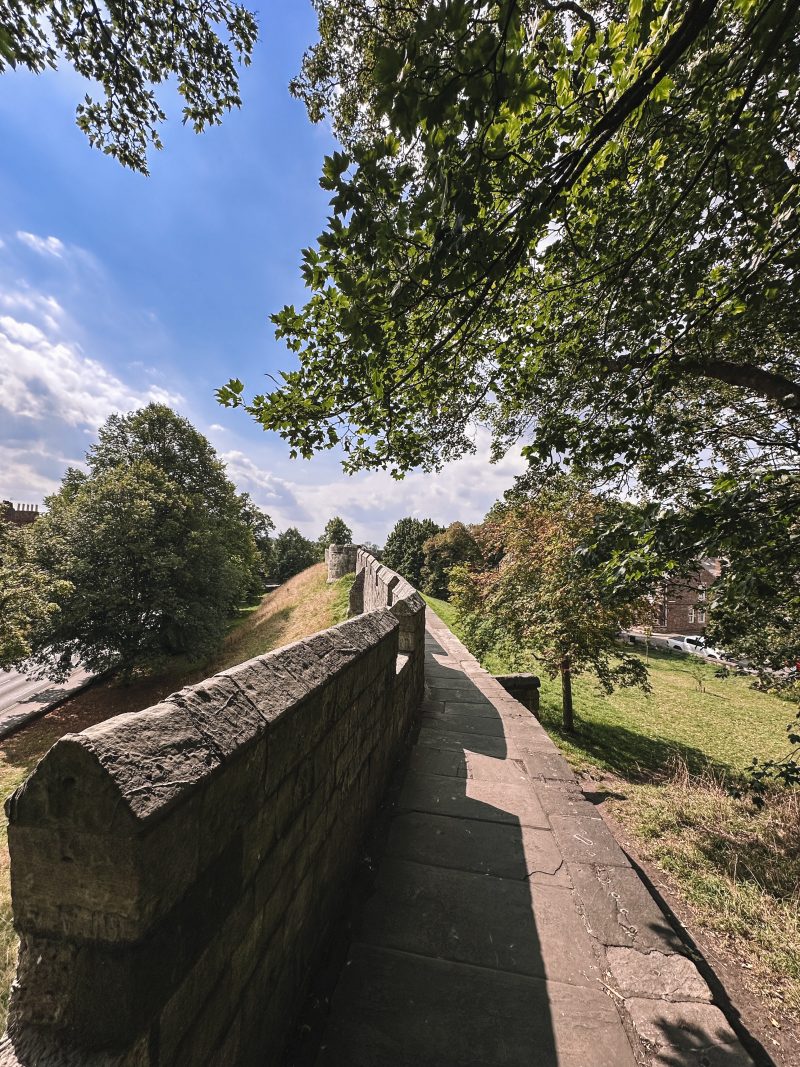
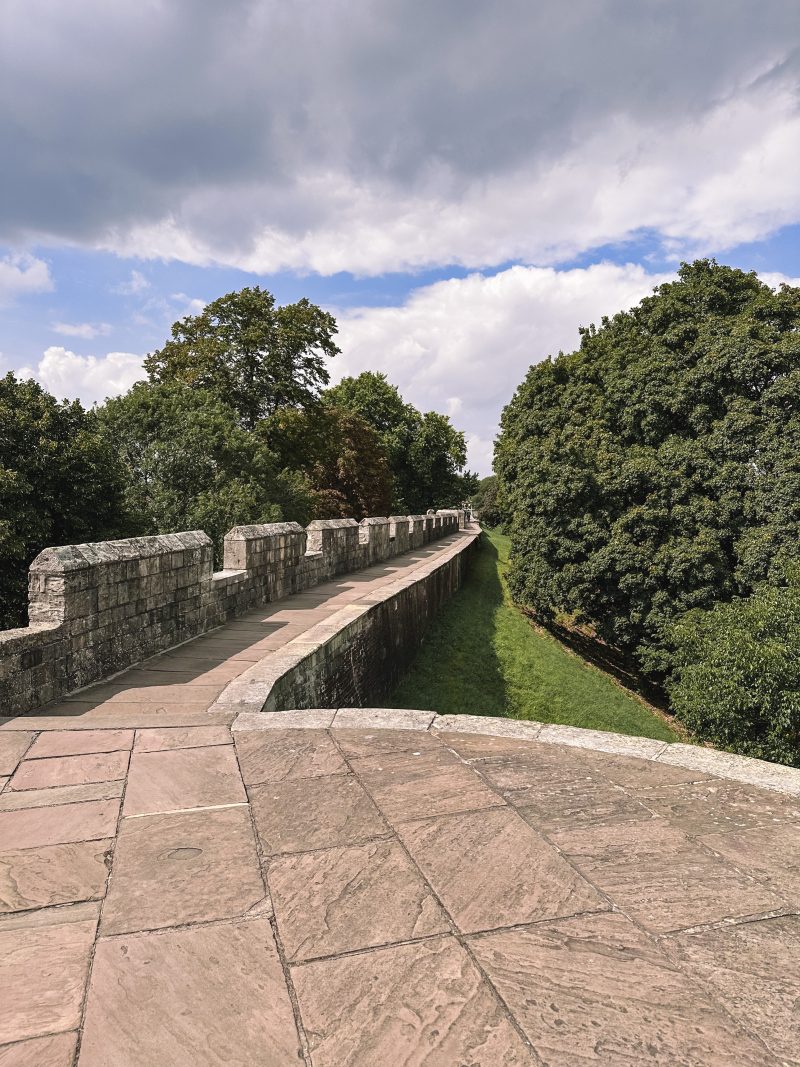
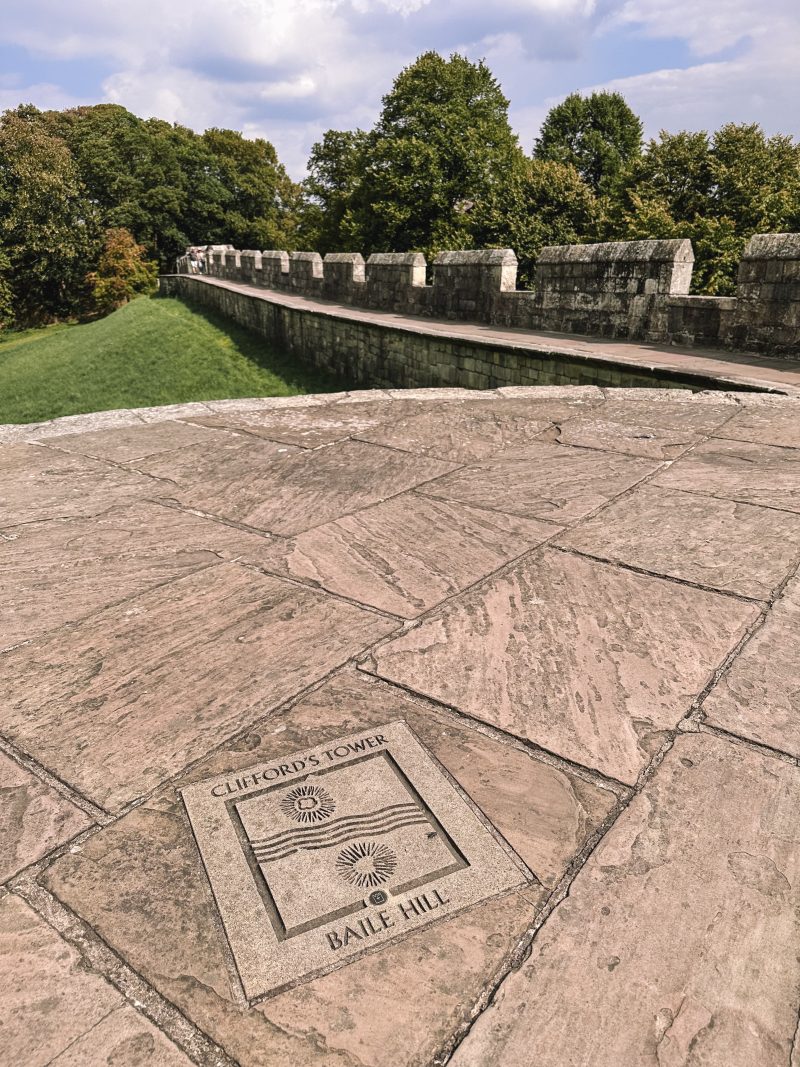
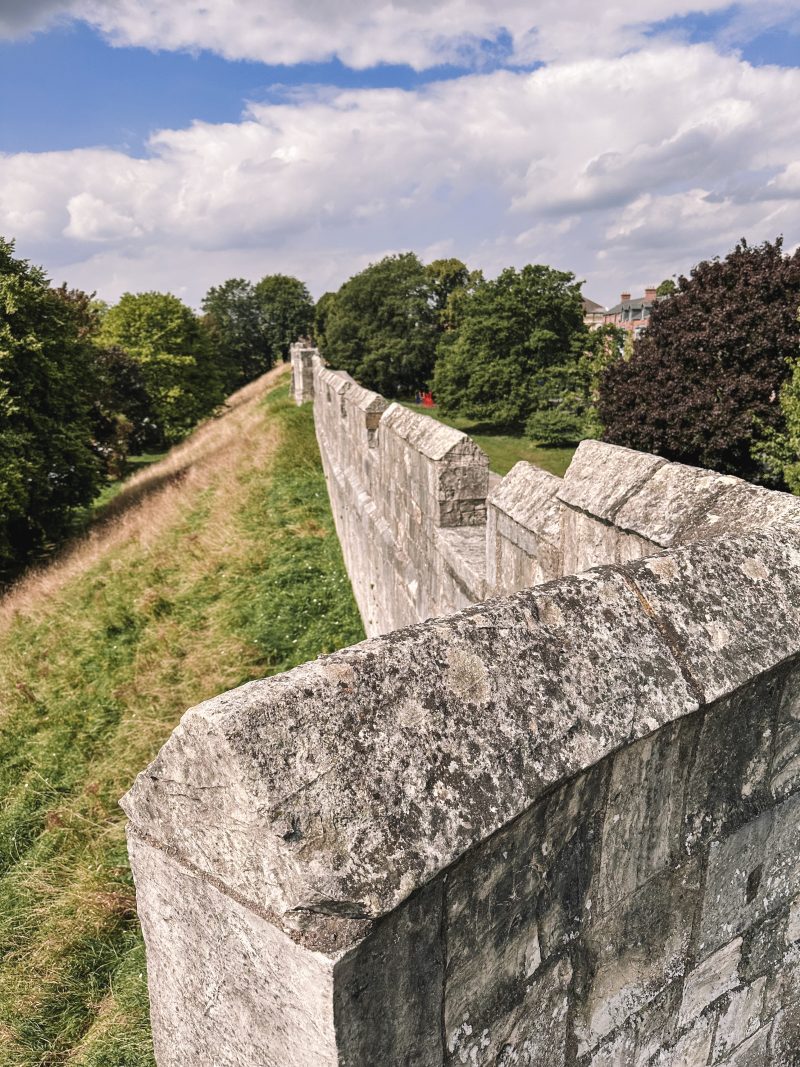
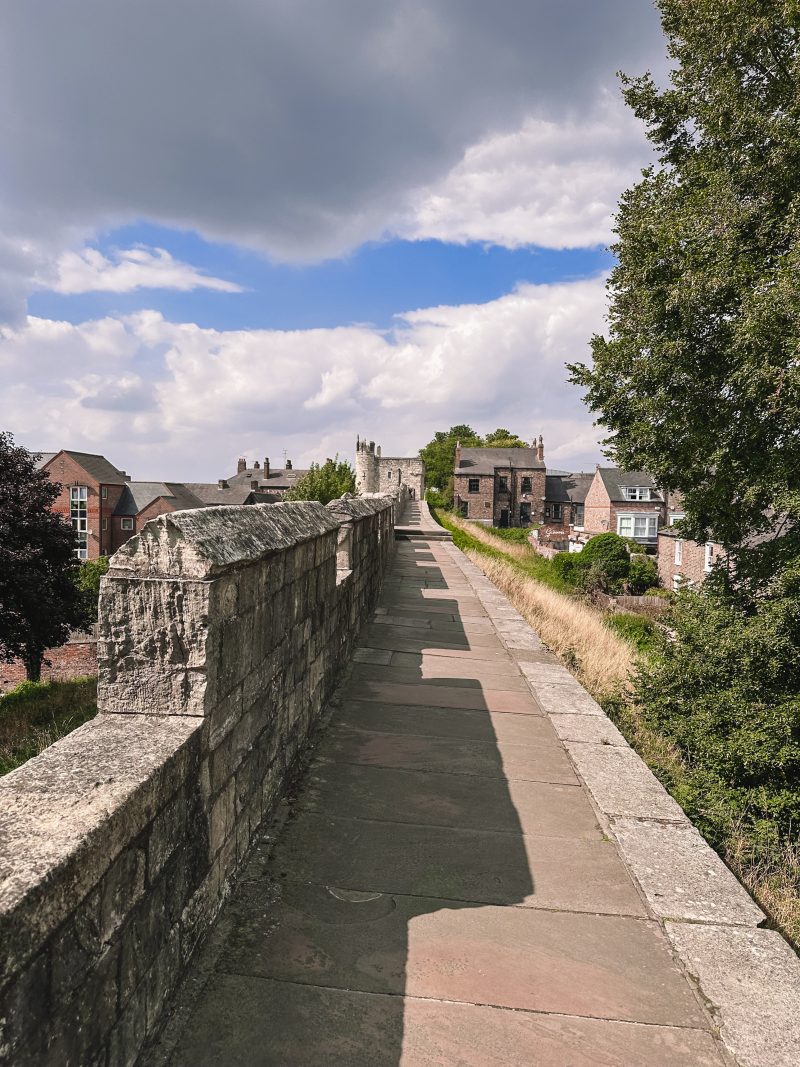
Encircling the heart of York like a stone embrace, the City Walls are the most complete medieval town walls in England – and they tell a story that stretches back nearly two millennia. Built mainly in the 13th century atop earlier earth banks, they incorporate traces of Roman fortifications, Viking influence, and centuries of civic pride.
At 3.4 kilometres (2.1 miles) long, this elevated walkway offers a unique perspective on the city’s rooftops, spires, and cobbled streets. A full circuit takes around two hours at a leisurely pace – longer if you pause to admire the four great fortified gateways (known as bars), the smaller posterns, arrow slits, musket loops, and the daffodil‑lined slopes that burst into colour each spring.
The walls are divided into sections, each with its own character:
- Bootham Bar – guarding the approach from the north since Roman times.
- Monk Bar – home to the Richard III Experience.
- Walmgate Bar – the only bar still with its barbican intact.
- Micklegate Bar – the traditional ceremonial entrance for monarchs.
Best of all, walking the walls is free and open daily (usually from 8am until dusk, weather permitting). They close in icy or high‑wind conditions for safety, so check before you go. Dogs aren’t allowed on the wall‑walk, but assistance dogs are welcome.
For those who can’t manage the narrow steps, the Museum Gardens offer an accessible glimpse of York’s Roman walls, including the impressive Multangular Tower – a rare survival from the 3rd century.
Insider tip: Visit in the early morning for soft light and fewer crowds, or at golden hour for the most atmospheric photographs.


The National Railway Museum – Where Britain’s Rail Story Comes to Life
Step inside the National Railway Museum and you’re stepping into nearly 200 years of rail innovation. Opened in 1975 on the site of the former North York locomotive depot, the museum was created to bring together Britain’s most important railway treasures in one place. York was a natural choice: in the 19th century, it was the beating heart of the rail network, thanks in part to the vision of George Hudson, the city’s own “Railway King,” who helped link London to Edinburgh with York as a key hub.
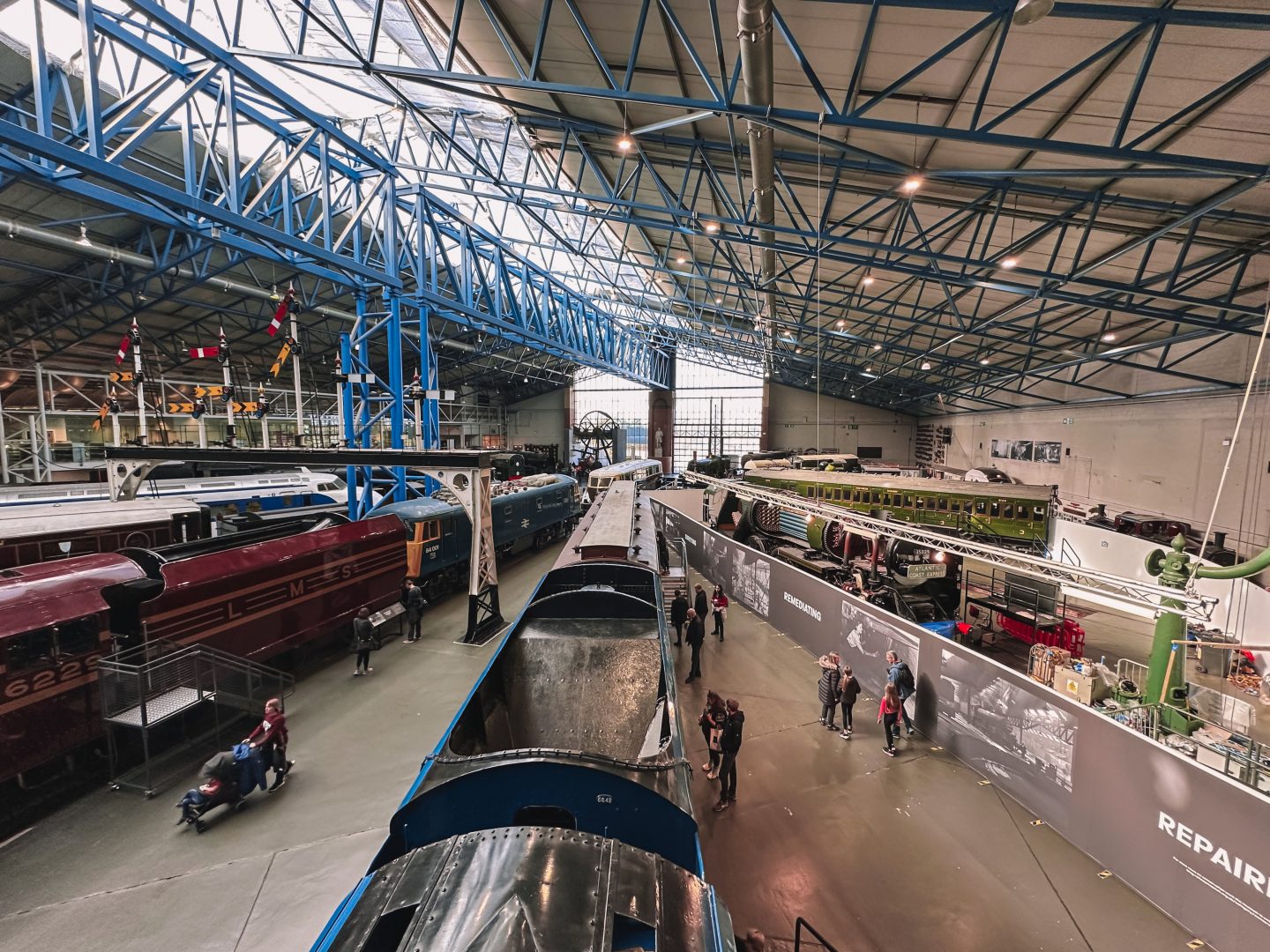
Today, the museum houses over 100 locomotives and hundreds of carriages, wagons, and artefacts – from Stephenson’s Rocket (replica) to the record‑breaking Mallard, which still holds the world steam speed record of 126 mph, set in 1938. You can also see the legendary Flying Scotsman, still maintained for mainline excursions, and the opulent Royal Train carriages, some dating back to the Victorian era.
The collection spans three main halls:
The Works – a behind‑the‑scenes look at restoration in progress.
Great Hall – home to engineering icons like Mallard and the Japanese Shinkansen “Bullet Train”, gifted by Japanese Railways.
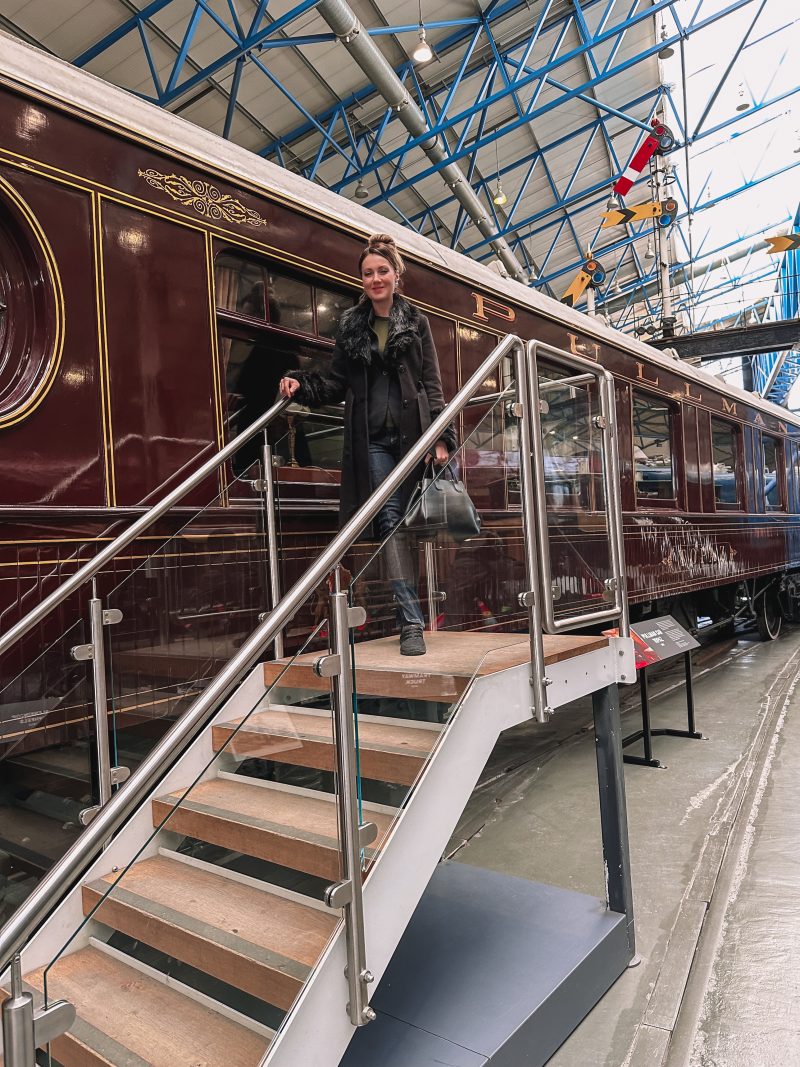
Station Hall – where you can peek inside Royal carriages and explore the glamour of rail travel’s golden age.
Interesting facts to tempt your visit:
- Admission is free (special exhibitions may have a charge).
- The site covers an area so large you could easily spend half a day exploring.
- Opening hours: Daily, 10:00–17:00 (last admission 16:30).
- Seasonal events include steam rides, heritage demonstrations, and family‑friendly activities.
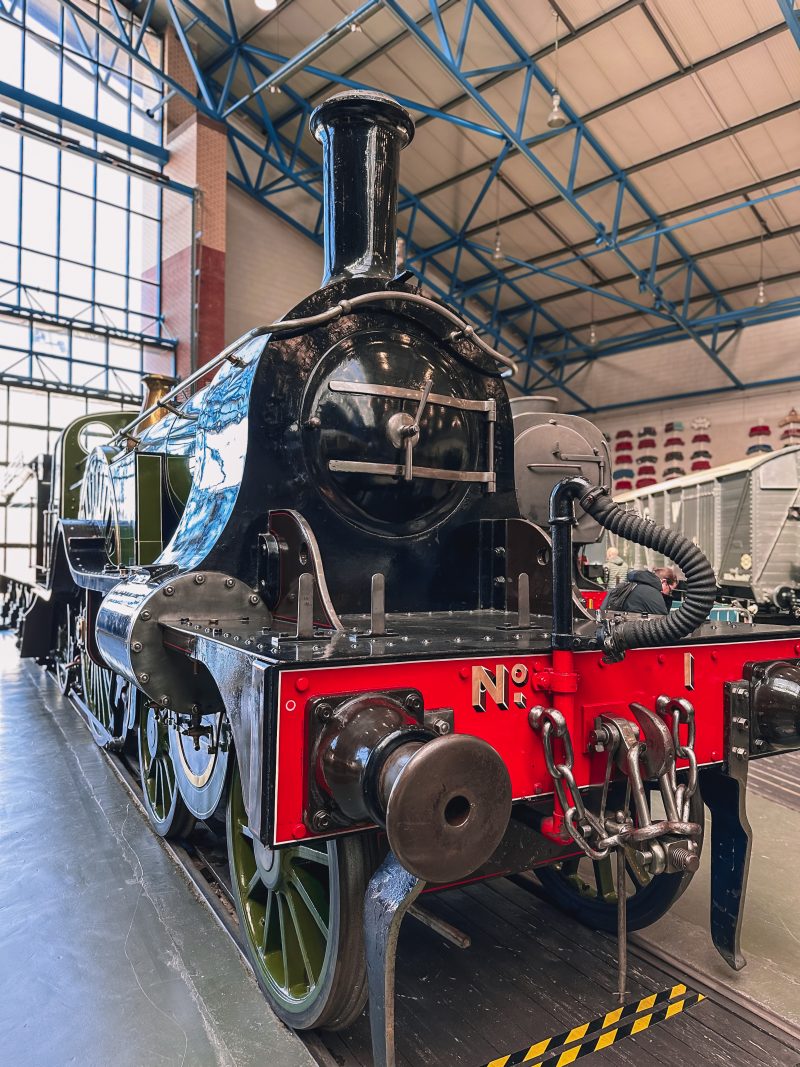

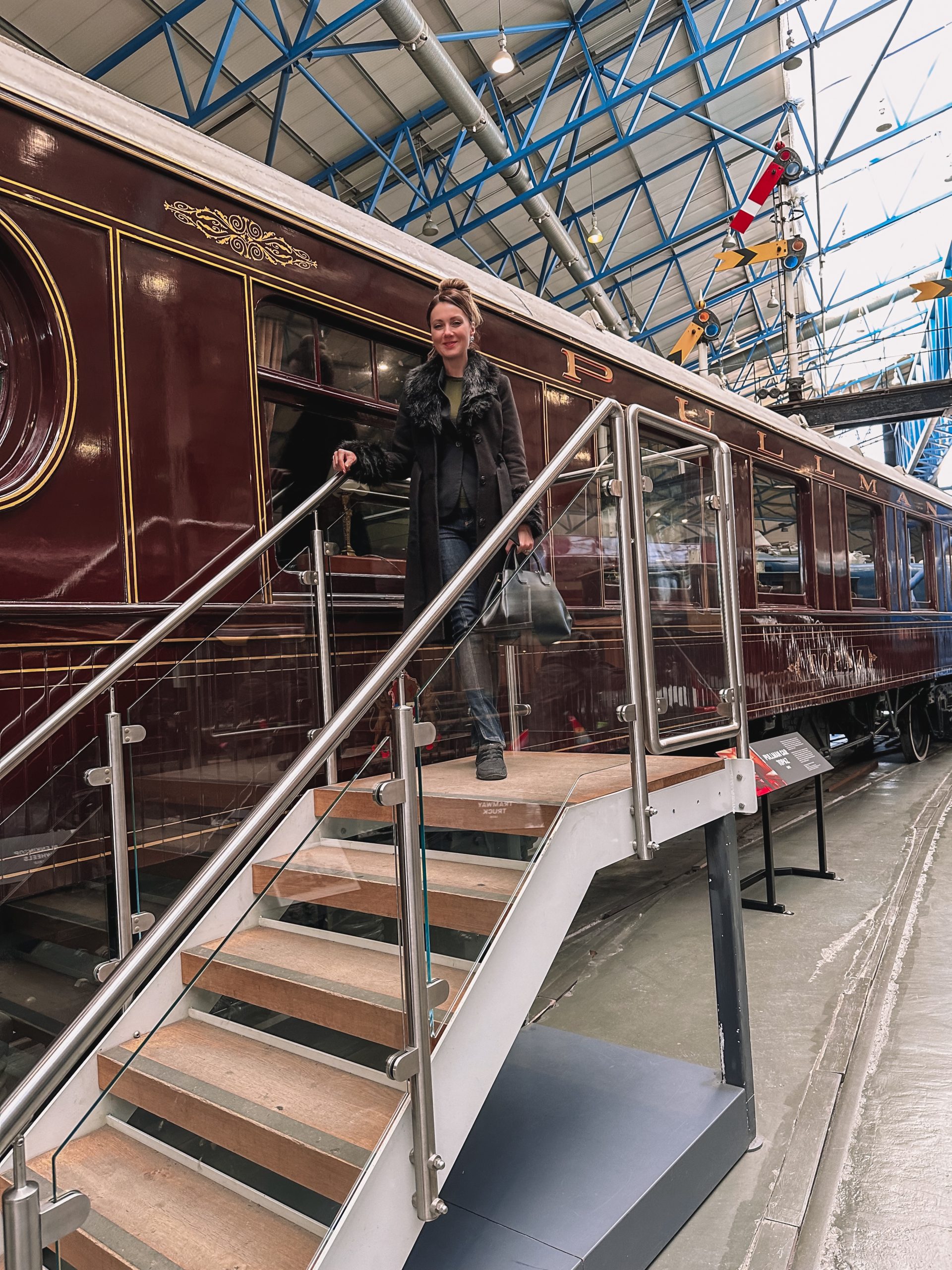
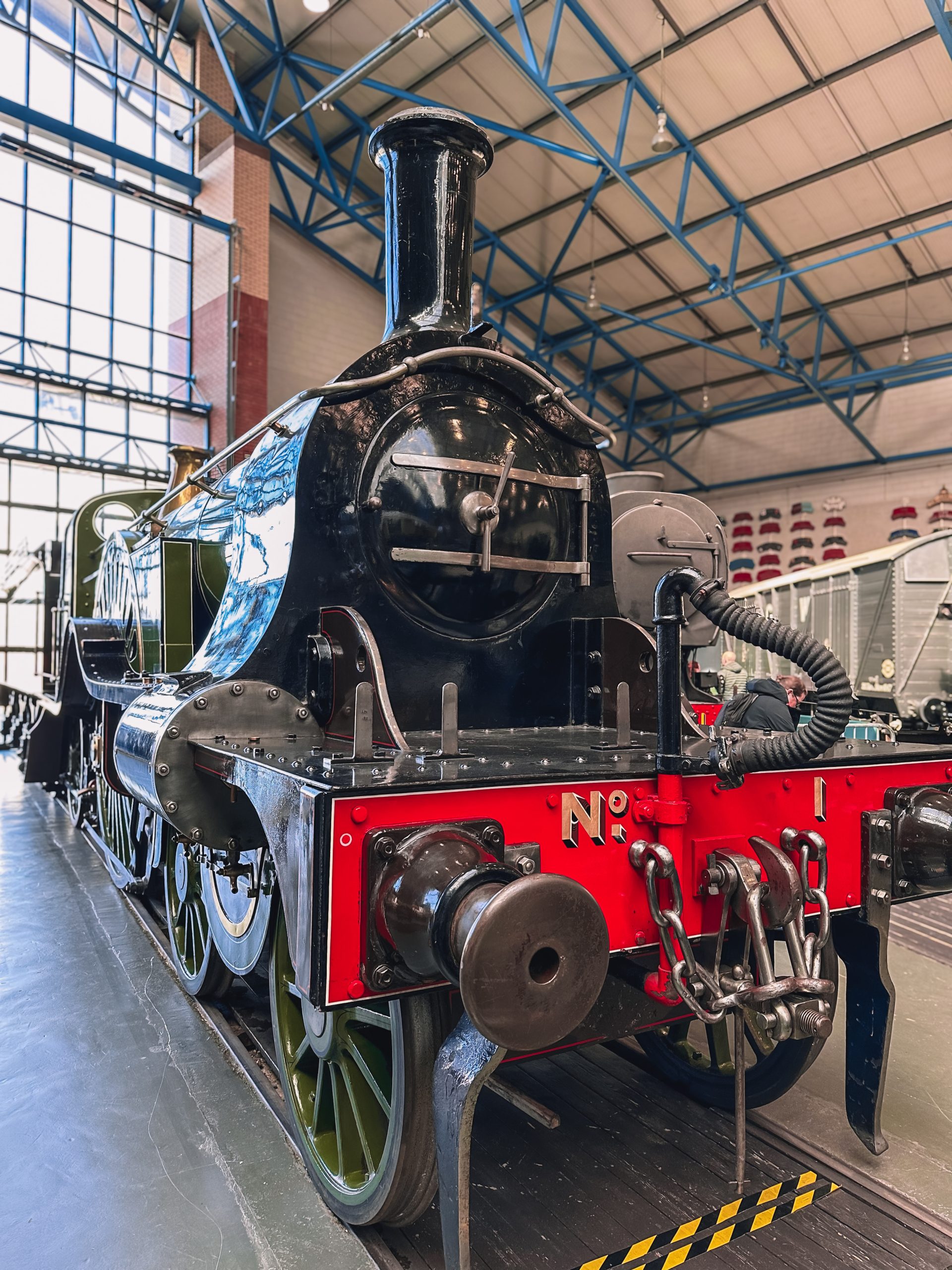
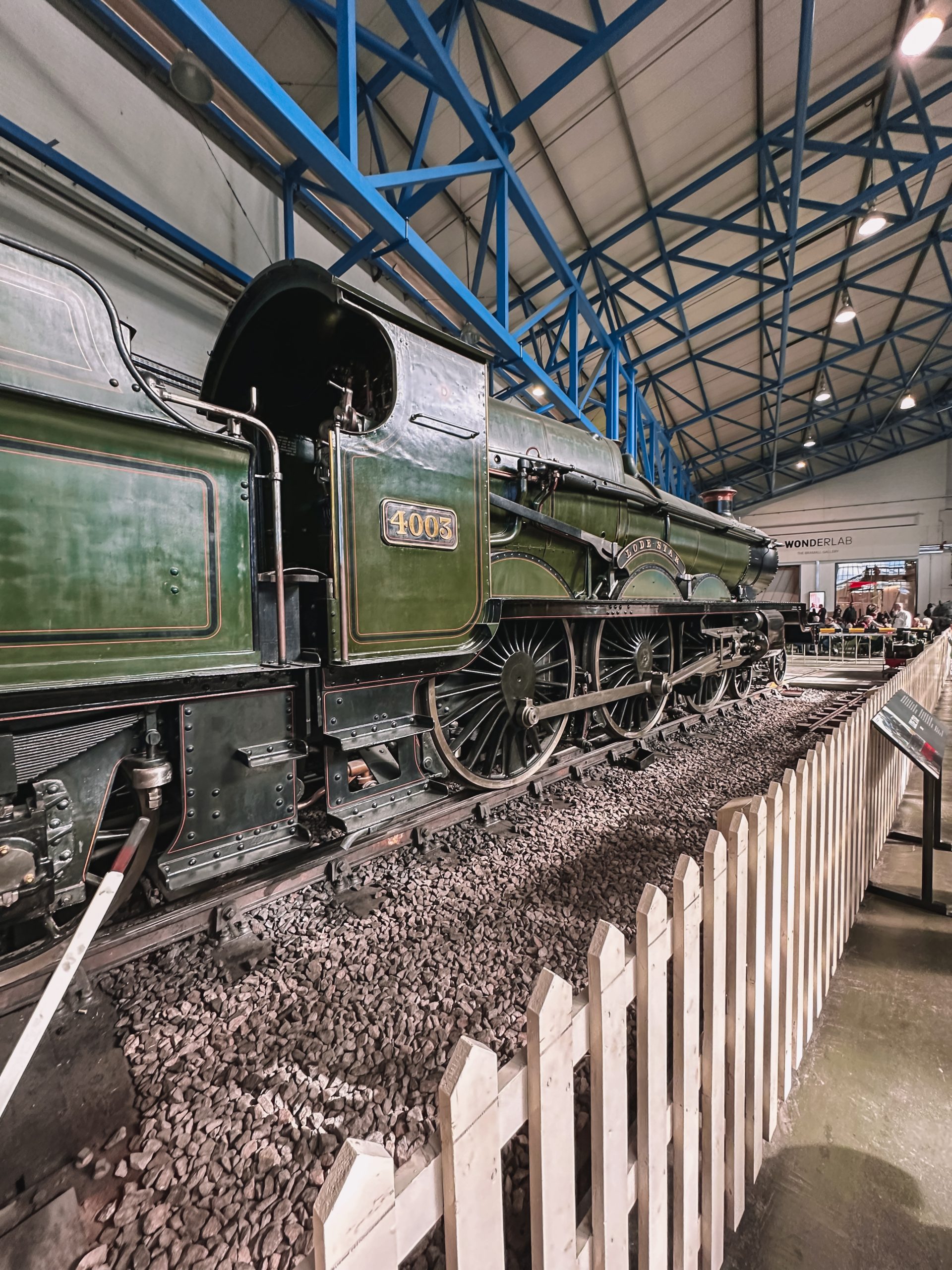
Whether you’re a lifelong rail enthusiast or simply curious about how trains shaped Britain’s cities, industries, and leisure travel, the National Railway Museum offers a journey through time – from the romance of steam to the sleek speed of modern rail.
📍Location: Leeman Rd, York YO26 4XJ, just a short walk from York Station.
York Castle Museum – Where 1,000 Years of History Come Alive
Standing on the site of York Castle, first built by William the Conqueror in 1068, the York Castle Museum is more than just a collection of artefacts – it’s a journey through centuries of everyday life. The museum occupies two historic prison buildings: the Debtors’ Prison (1701–05) and the Female Prison (1780–85), both constructed from stone salvaged from the ruined medieval castle. These walls have witnessed royal authority, civil unrest, and the harsh realities of crime and punishment.
Founded in 1938 by Dr. John Lamplugh Kirk – a visionary collector who believed that ordinary objects were as valuable to history as grand treasures – the museum became one of Britain’s pioneering social history institutions. His philosophy still shapes the experience today.
The star attraction is Kirkgate, Britain’s first recreated Victorian street, unveiled the very year the museum opened. This cobbled thoroughfare, lit by gas lamps and lined with shopfronts stocked with genuine 19th‑century goods, immerses visitors in the bustle of a bygone York. From the sweet shop to the police cell, every detail is meticulously crafted to transport you back in time.
Beyond Kirkgate, the museum’s galleries explore themes from Jacobean dining rooms to life during the World Wars, childhood toys, and the gritty realities of prison life. Interactive exhibits invite you to:
- Try on period costumes and step into the role of a Victorian shopkeeper or Edwardian lady.
- Handle historical artefacts that bring the past to your fingertips.
- Experience the sounds, scents, and textures of different eras.
Interesting to know:
- The museum’s site is opposite Clifford’s Tower, the last remaining keep of the medieval castle.
- Kirkgate was redeveloped in 2012 to reflect a broader view of Victorian society, including back alleys and slum dwellings.
- The museum is part of the York Museums Trust and continues to evolve with new exhibitions and events.
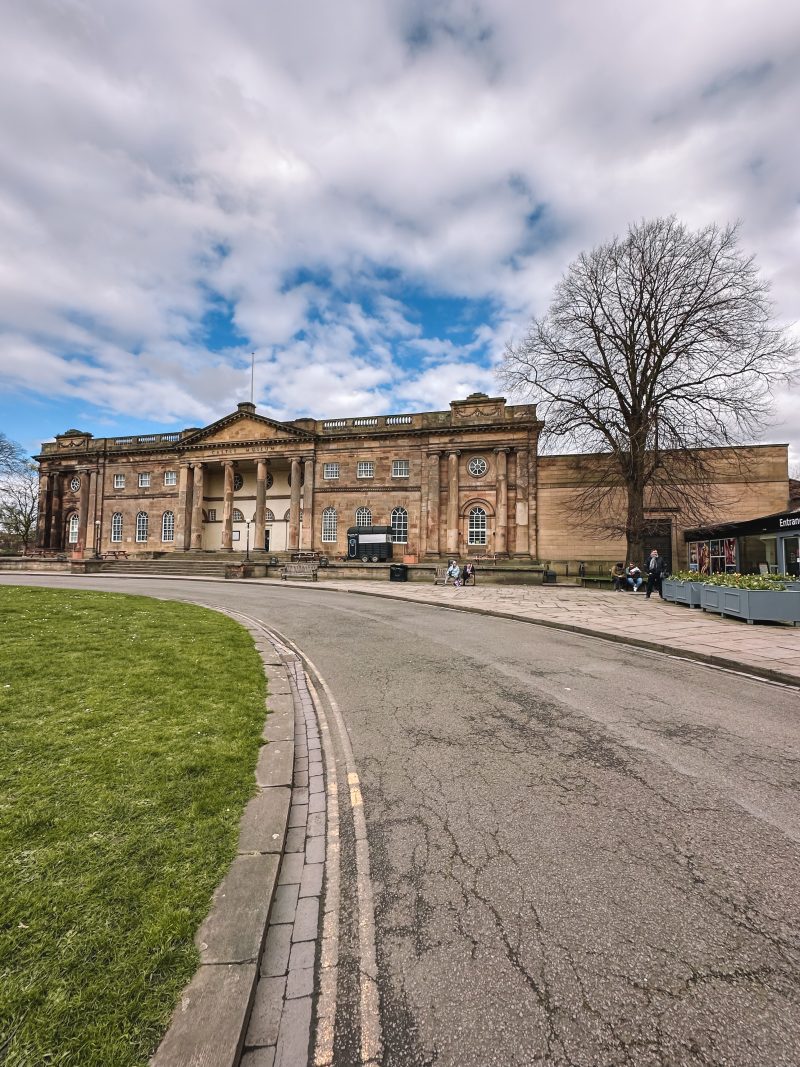
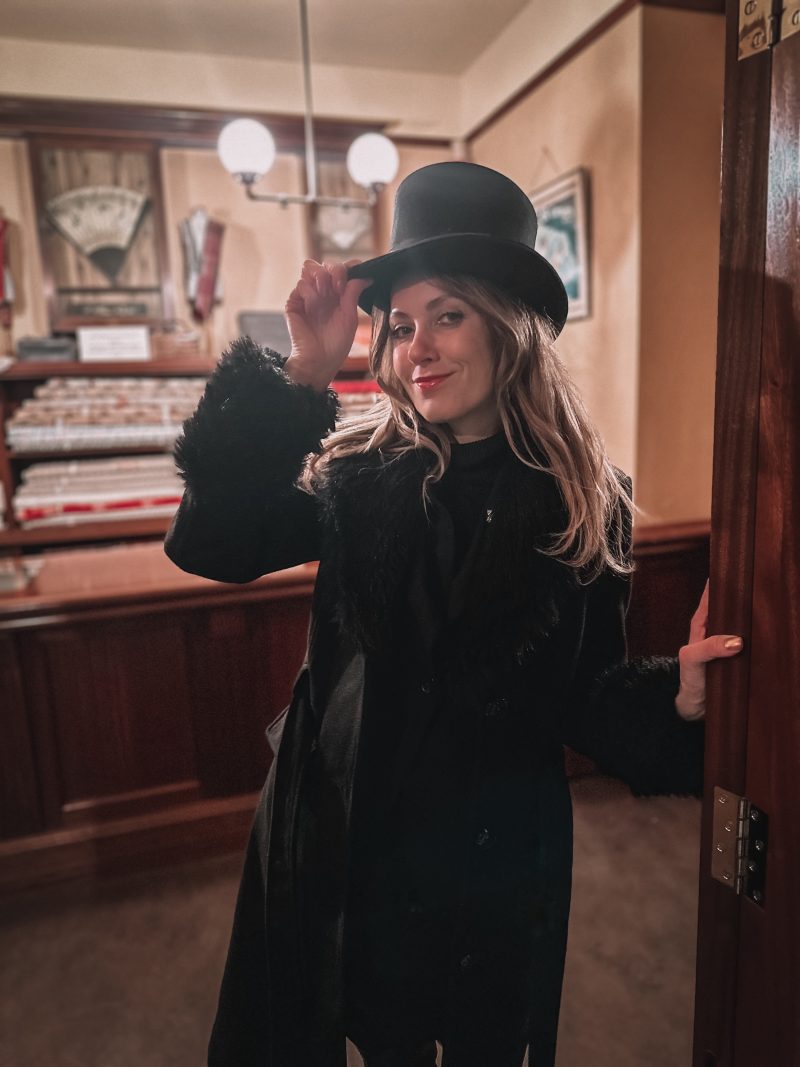
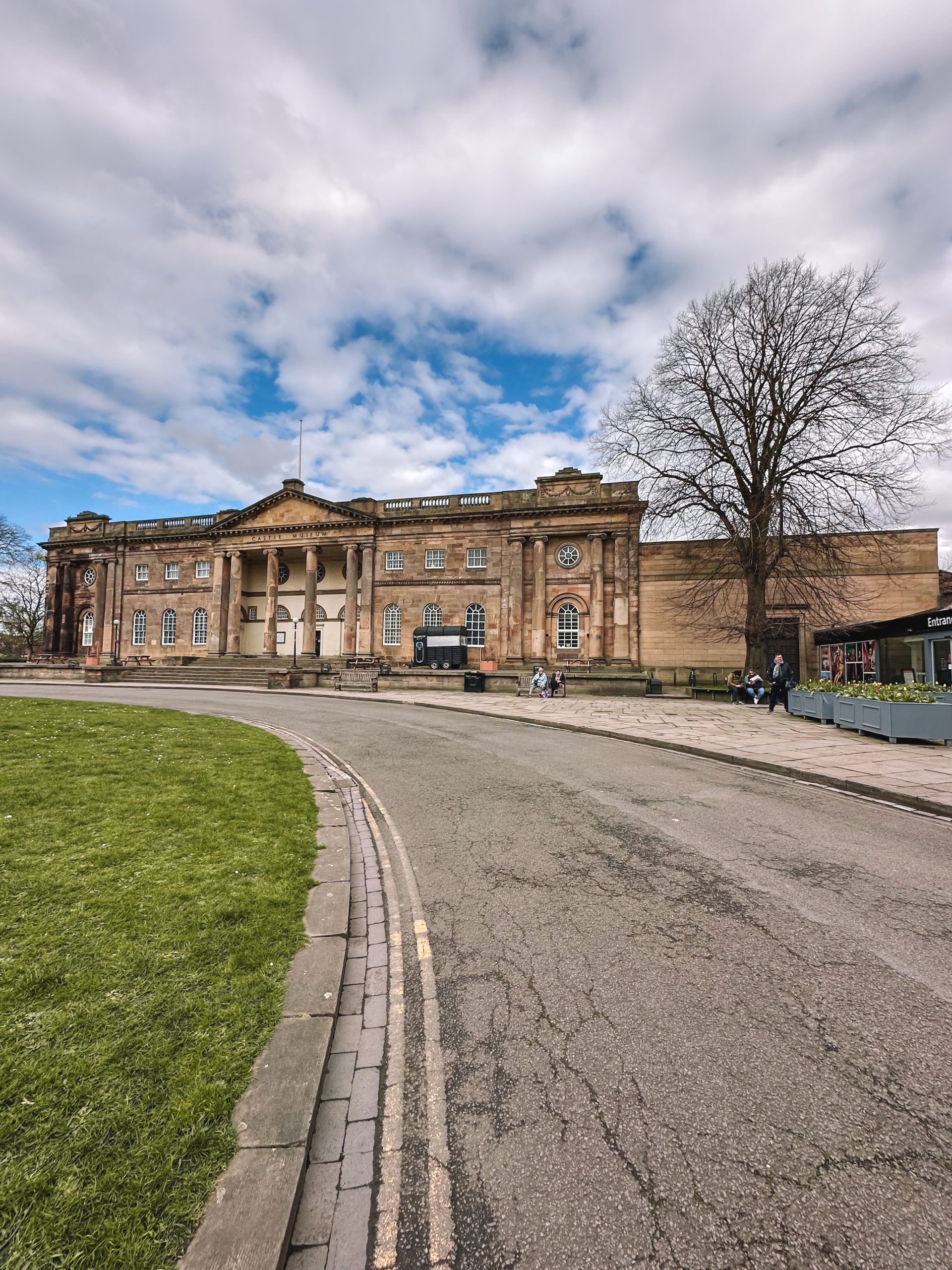
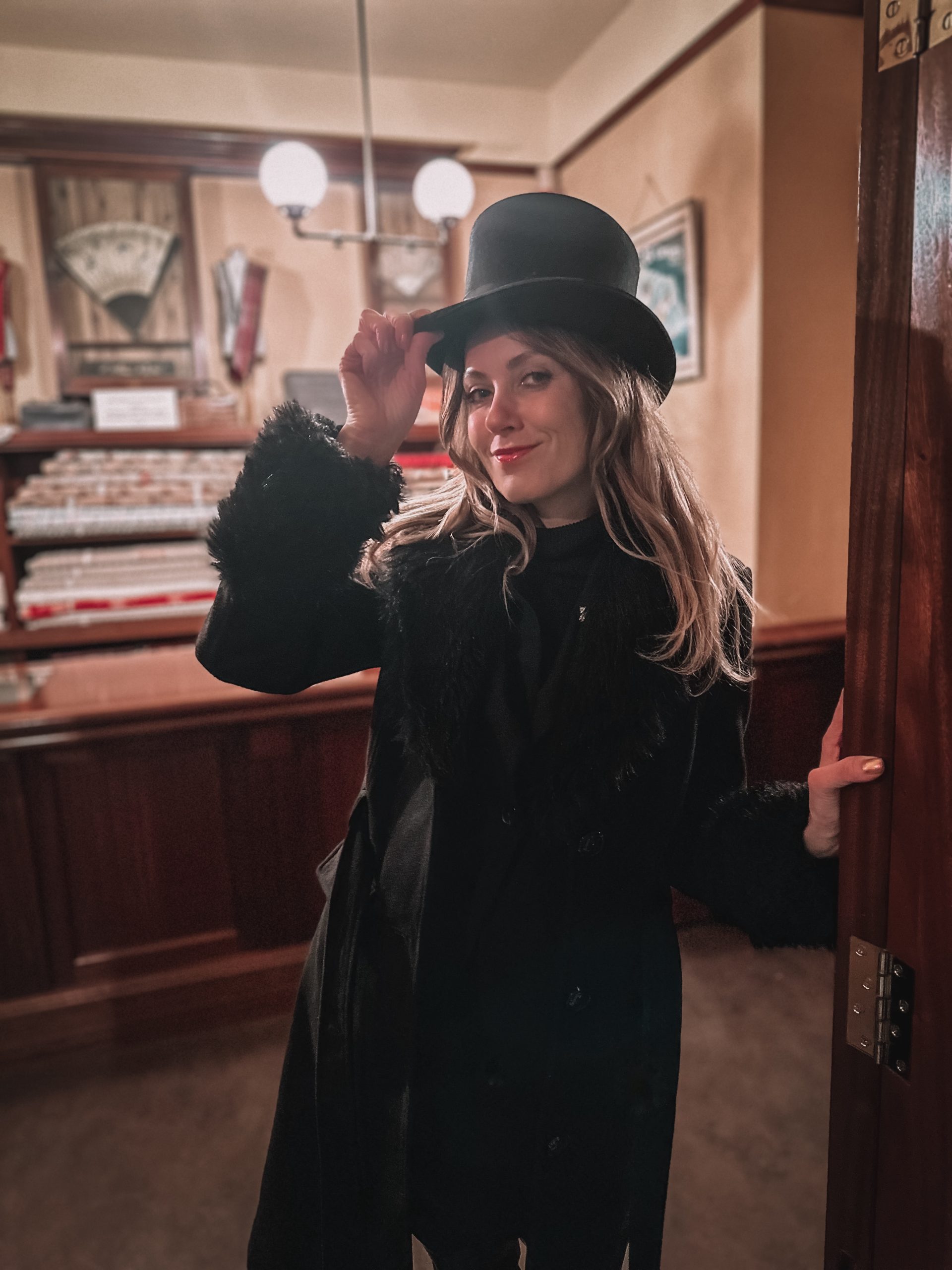


📍 Address: Tower Street, York YO1 9RY
🕒 Allow: 2–3 hours to explore fully.
💷 Admission: Paid entry (check current prices online; discounts available for York residents and combined tickets with other York Museums Trust sites).
Whether you’re fascinated by social history, intrigued by York’s turbulent past, or simply love stepping into another time, the York Castle Museum offers an immersive experience that lingers long after you leave.
Clifford’s Tower – A Norman Stronghold with a Thousand Stories
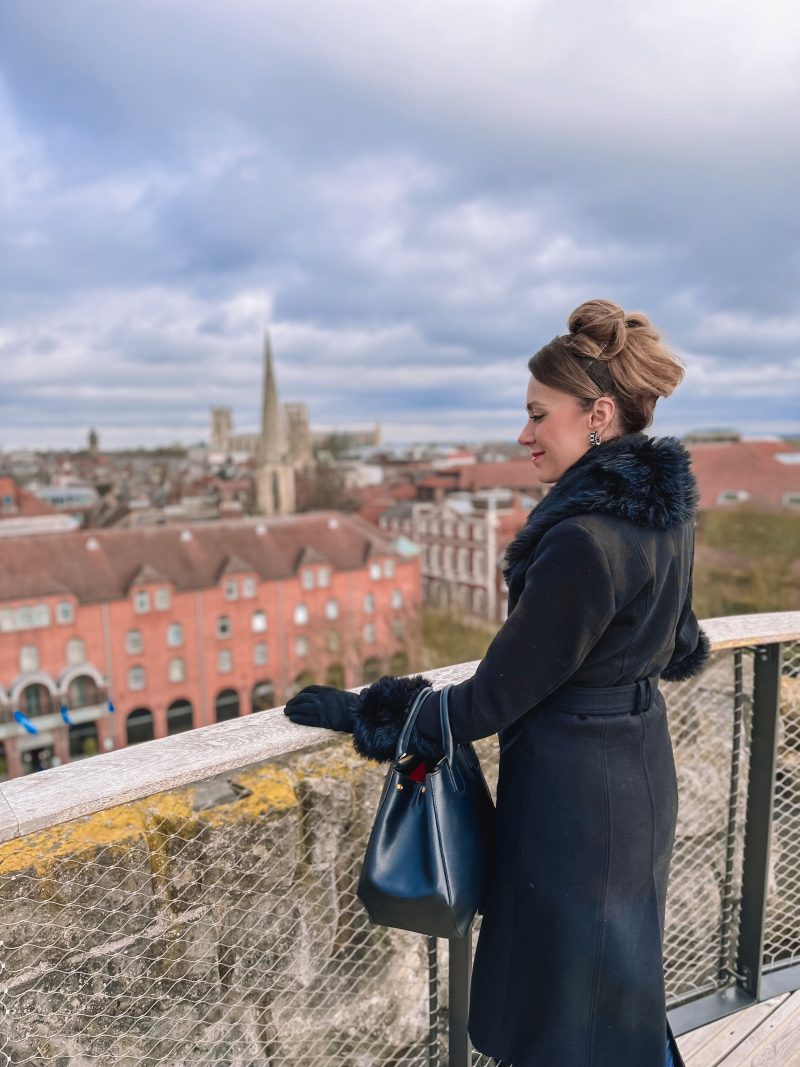
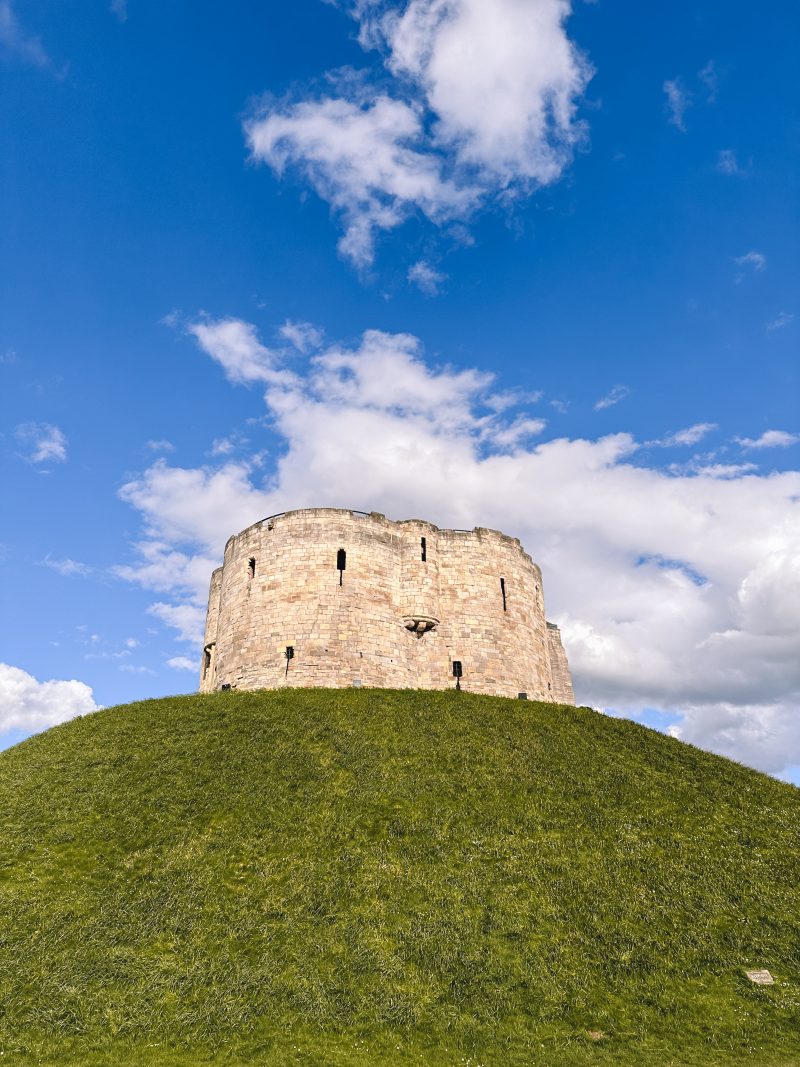
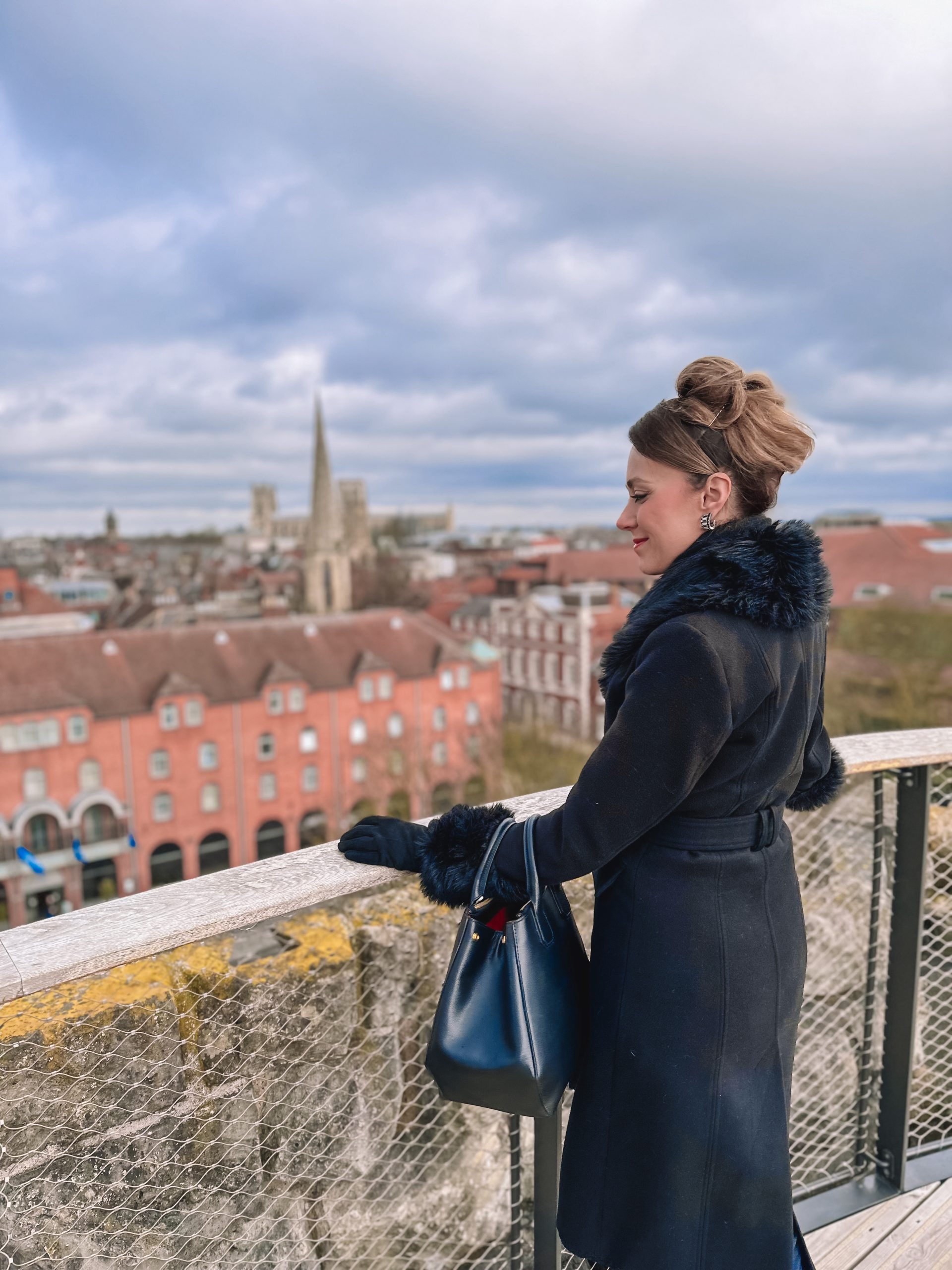
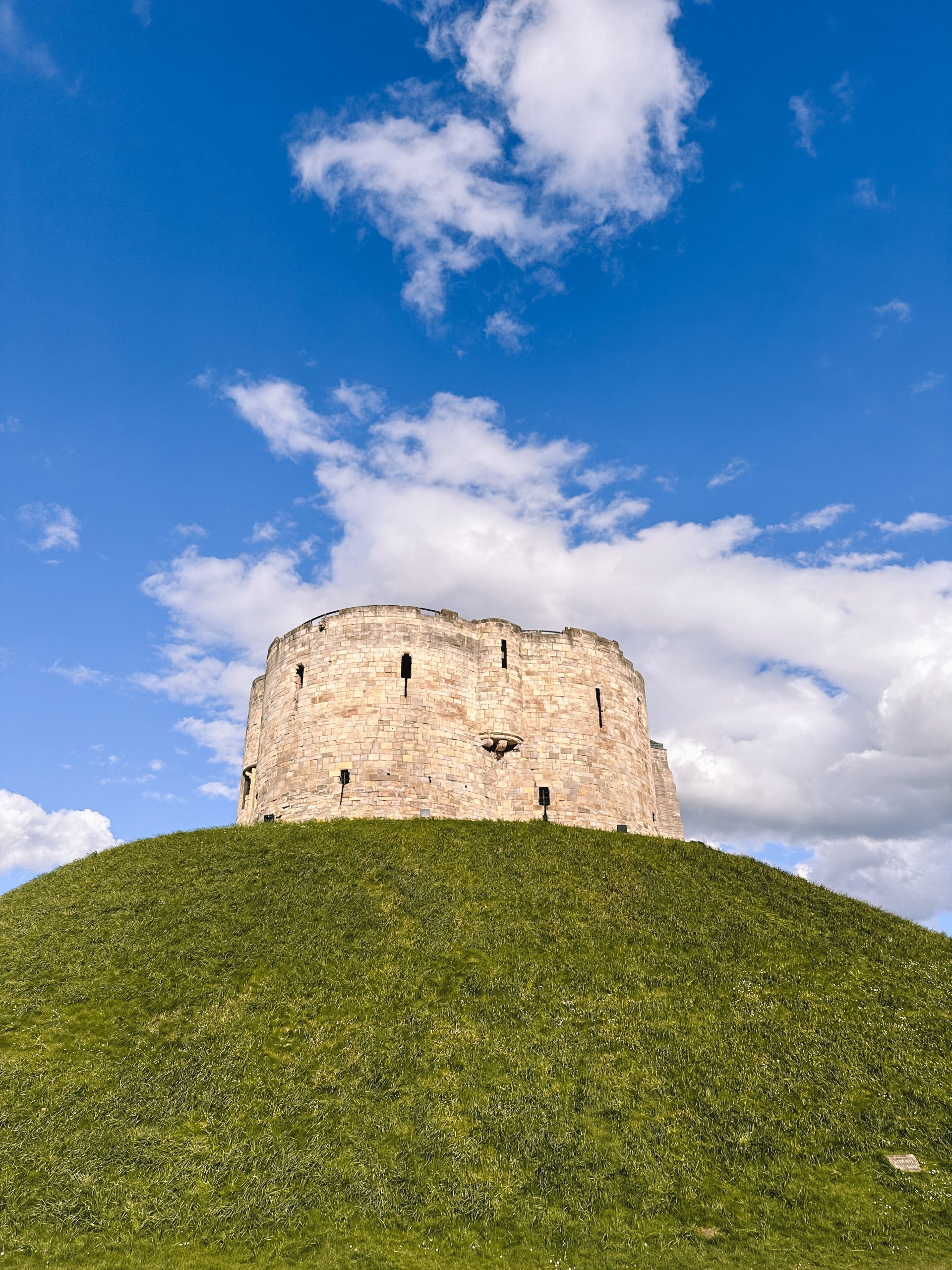
Rising from its grassy motte, Clifford’s Tower is the last great remnant of York Castle, once the political and military heart of northern England. Its commanding position offers sweeping views over York Minster, the city walls, and the River Ouse – a panorama that has witnessed nearly a millennium of history.
The first fortification here was built in 1068 by William the Conqueror as part of his campaign to secure the north. Initially a timber motte‑and‑bailey castle, it became the stage for one of the darkest episodes in York’s past: in March 1190, the wooden keep was burned during the tragic massacre of around 150 members of the city’s Jewish community.
The present stone tower was commissioned by Henry III in the mid‑13th century, designed in a rare quatrefoil plan – four overlapping circles resembling a four‑leaf clover – unique in England and possibly inspired by French royal architecture. Over the centuries, it has served as a royal treasury, a prison, and a garrison. Its name, first recorded in 1596, may refer to Roger de Clifford, executed here in 1322 for rebelling against Edward II.
Clifford’s Tower has endured fire, storms, subsidence, and even an attempt by a 16th‑century jailer to dismantle it for building stone. Today, after careful conservation, visitors can explore its atmospheric interior, climb the restored wall walk, and take in 360‑degree views of York’s skyline.
Interesting to know:
- The tower’s mound was originally surrounded by a water‑filled moat fed by the River Foss.
- Its quatrefoil design is shared with only one other known medieval tower – at Étampes, near Paris.
- In the English Civil War, it was held by both Royalists and Parliamentarians before being gutted by fire in 1684.


📍 Address: Tower Street, York YO1 9SA
🕒 Opening times & prices: See current details on English Heritage’s official site
💡 Allow: Around 45–60 minutes for a full visit, longer if you linger on the wall walk.
The Shambles – England’s Best‑Preserved Medieval Street
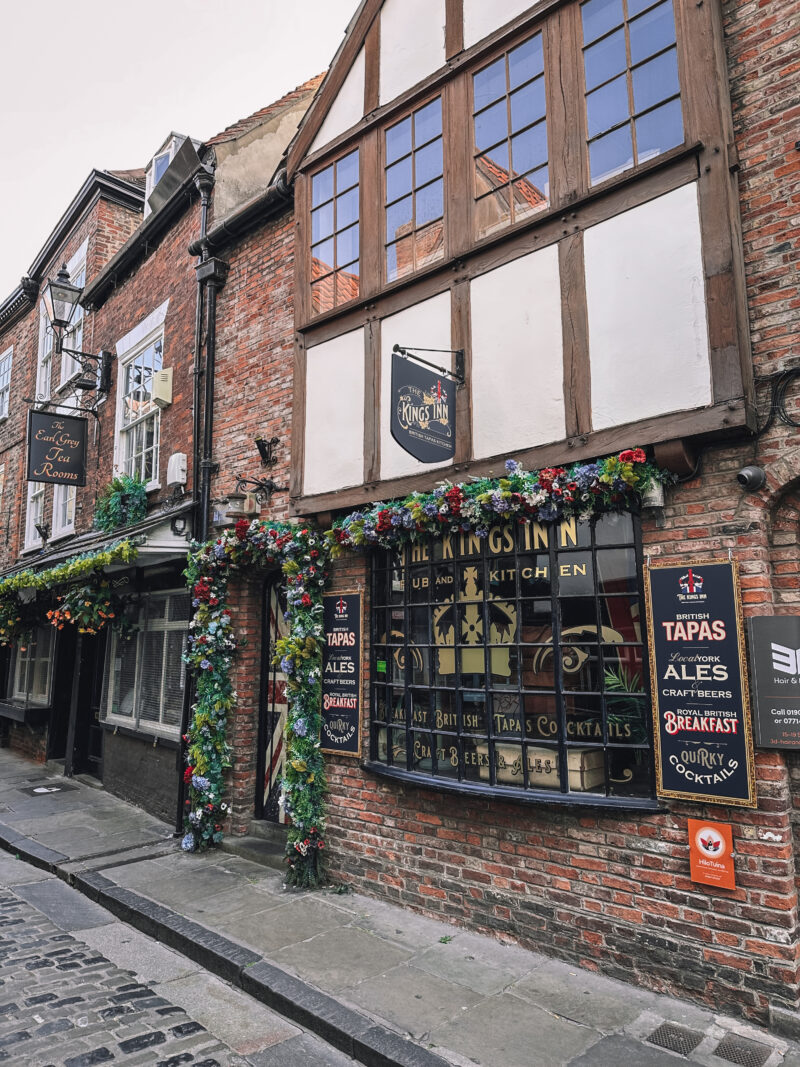
In the heart of York lies The Shambles, a narrow, winding lane so steeped in history it’s mentioned in the Domesday Book of 1086. Widely regarded as one of the best‑preserved medieval shopping streets in Europe, its timber‑framed buildings – some dating back to the 14th and 15th centuries – lean so closely together that in places you can almost touch both sides with outstretched arms.
Originally, The Shambles was the city’s bustling butchers’ quarter. The name comes from the Anglo‑Saxon “shammel” or “fleshammels”, meaning “flesh shelves” – the open wooden counters where cuts of meat were displayed. Many shops had their own slaughterhouses at the back, and the raised pavements with central channels (still visible today) were designed so butchers could wash blood and offal away twice a week. Look closely and you can still spot original meat hooks fixed to some shopfronts.
The overhanging upper storeys weren’t just charming medieval quirks – they sheltered the lower walls and kept meat shaded from the sun. This practical design has given the street its distinctive, almost storybook appearance.
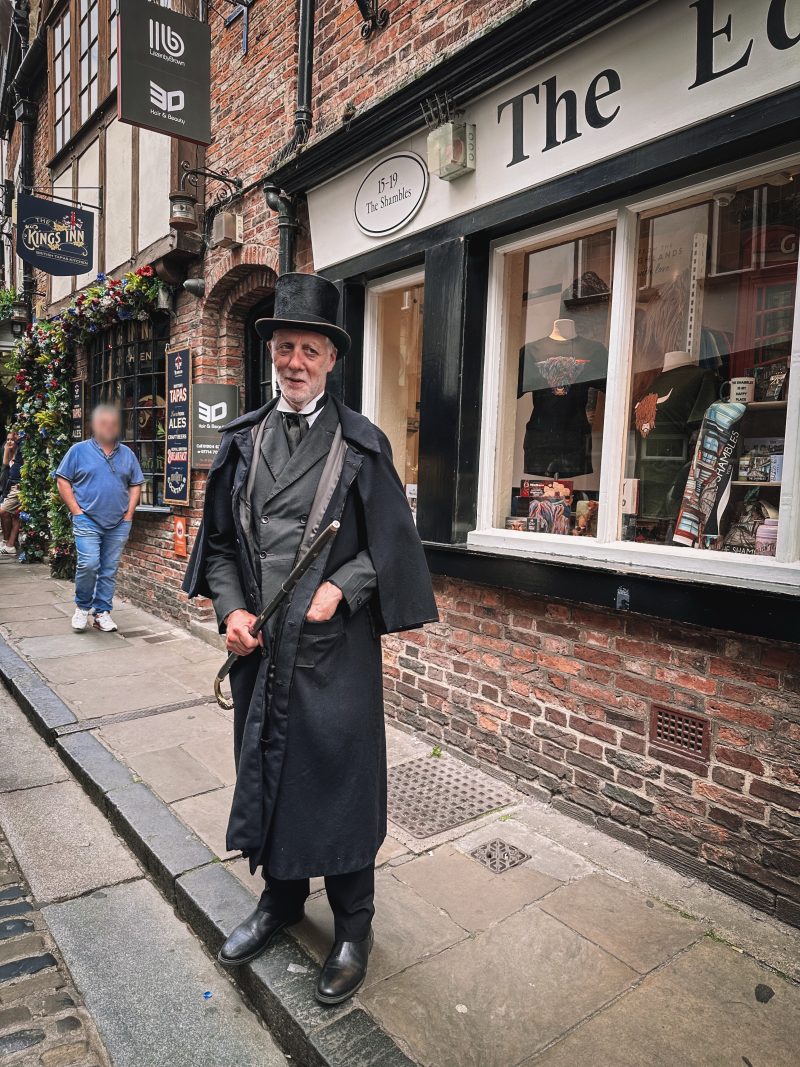
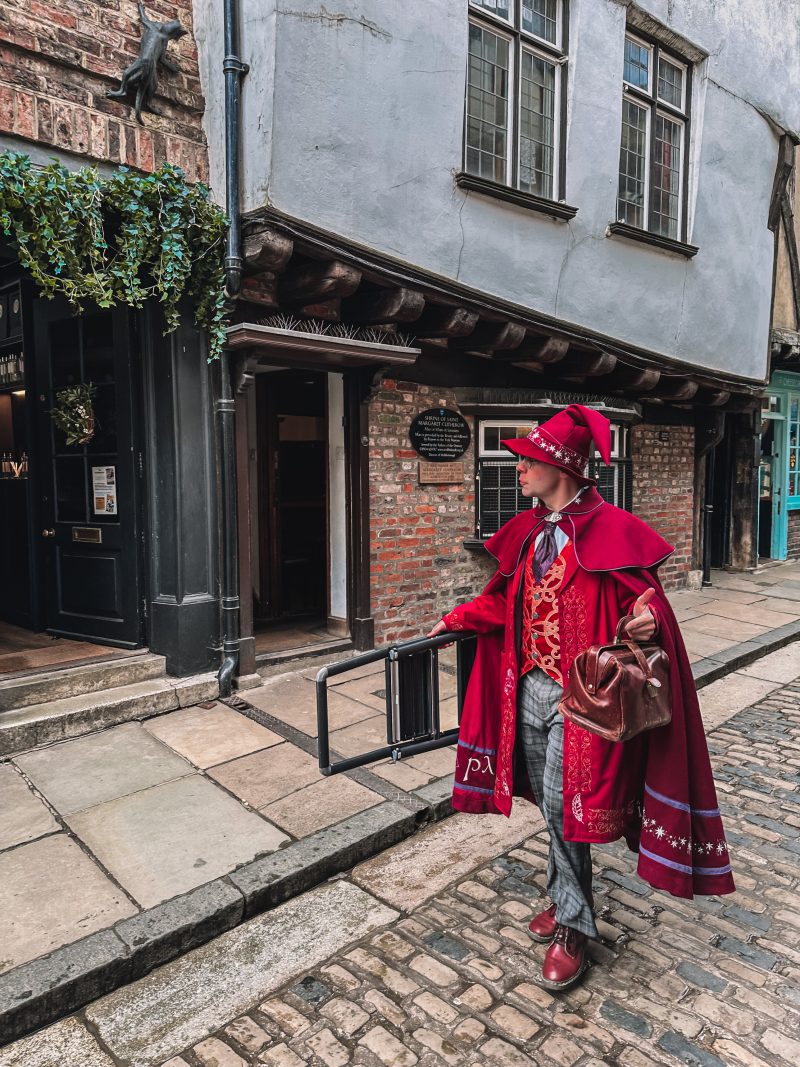


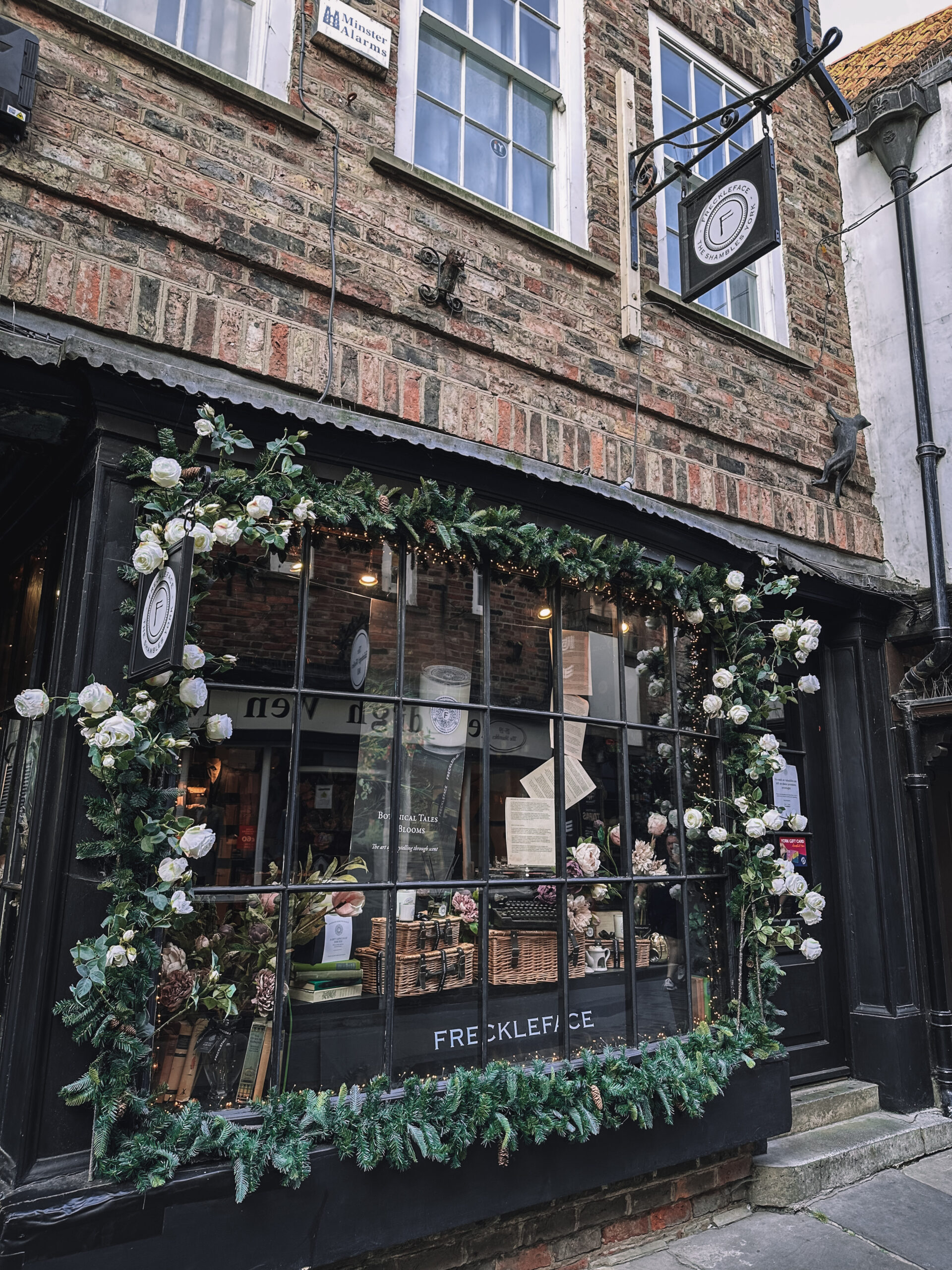
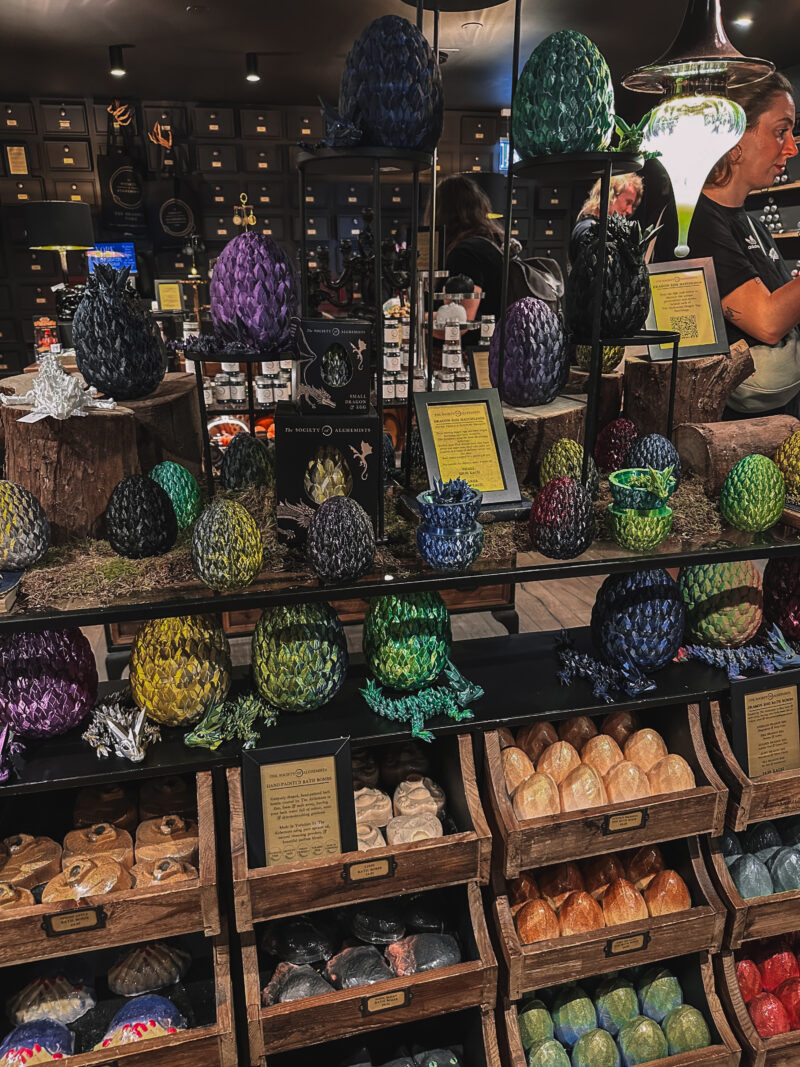
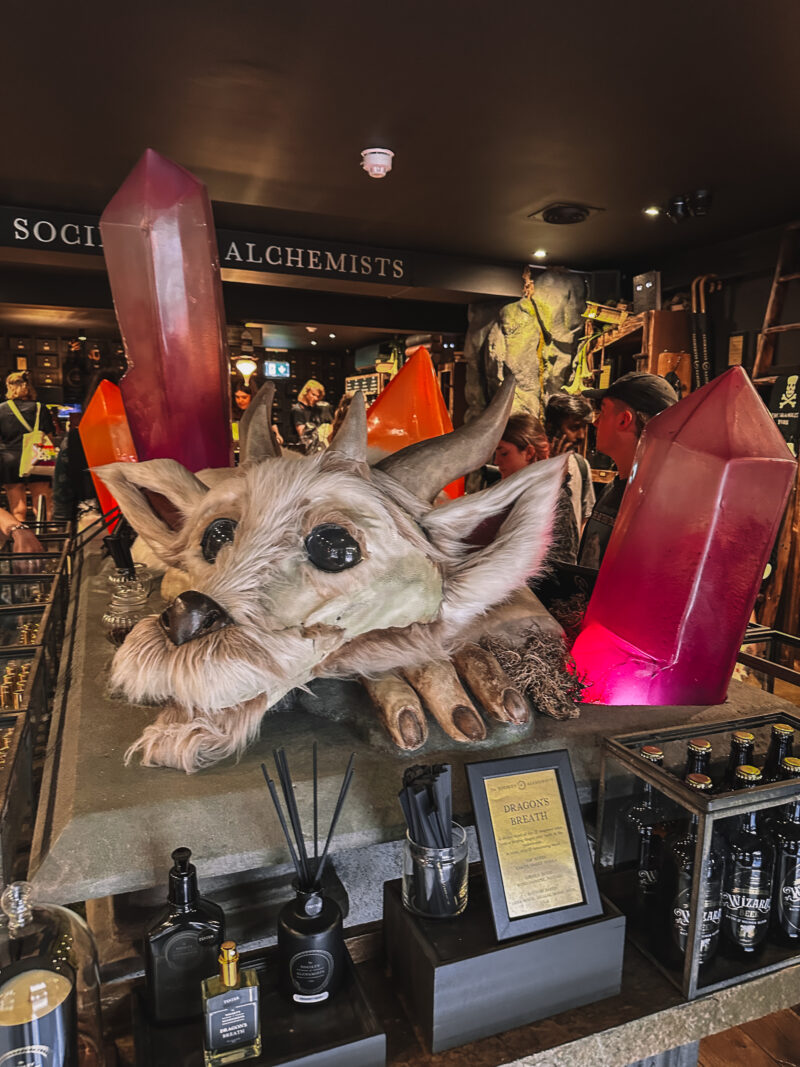
Today, The Shambles is a lively mix of boutique shops, chocolatiers, tea rooms, and artisan craft stores, but its medieval character remains intact. From ghostly companions to bottled enchantments, the shops here don’t just sell things; they sell stories, moods, and a sprinkle of magic.
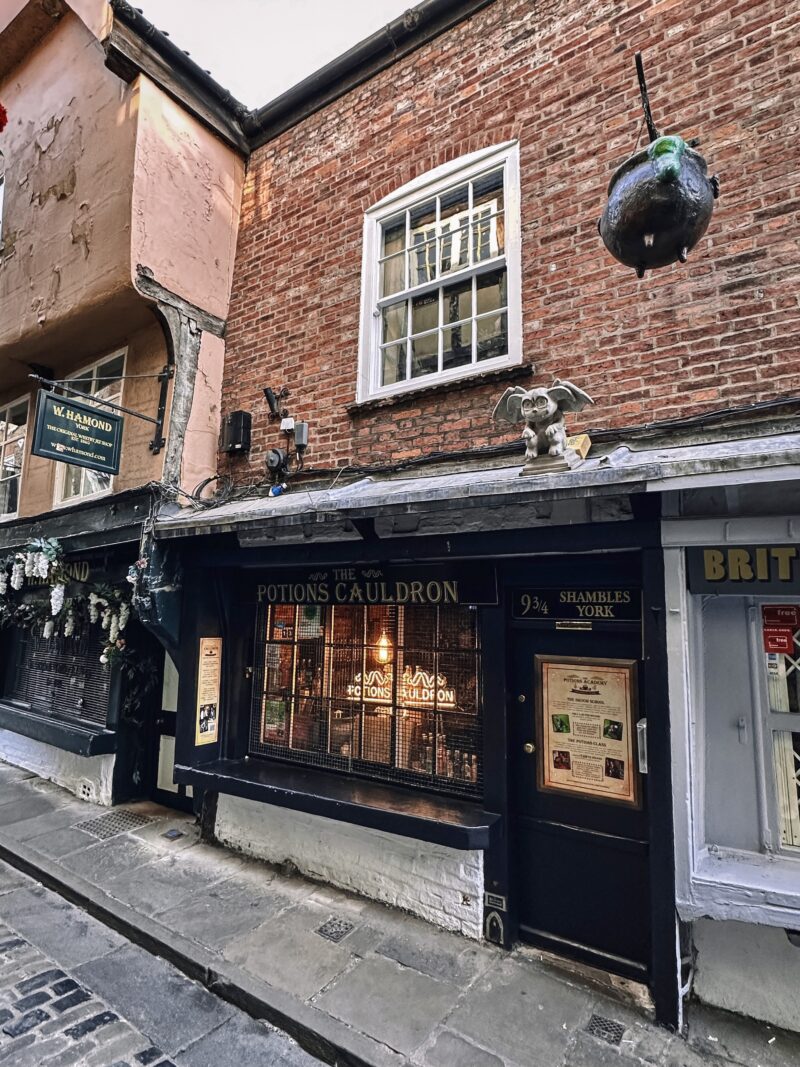
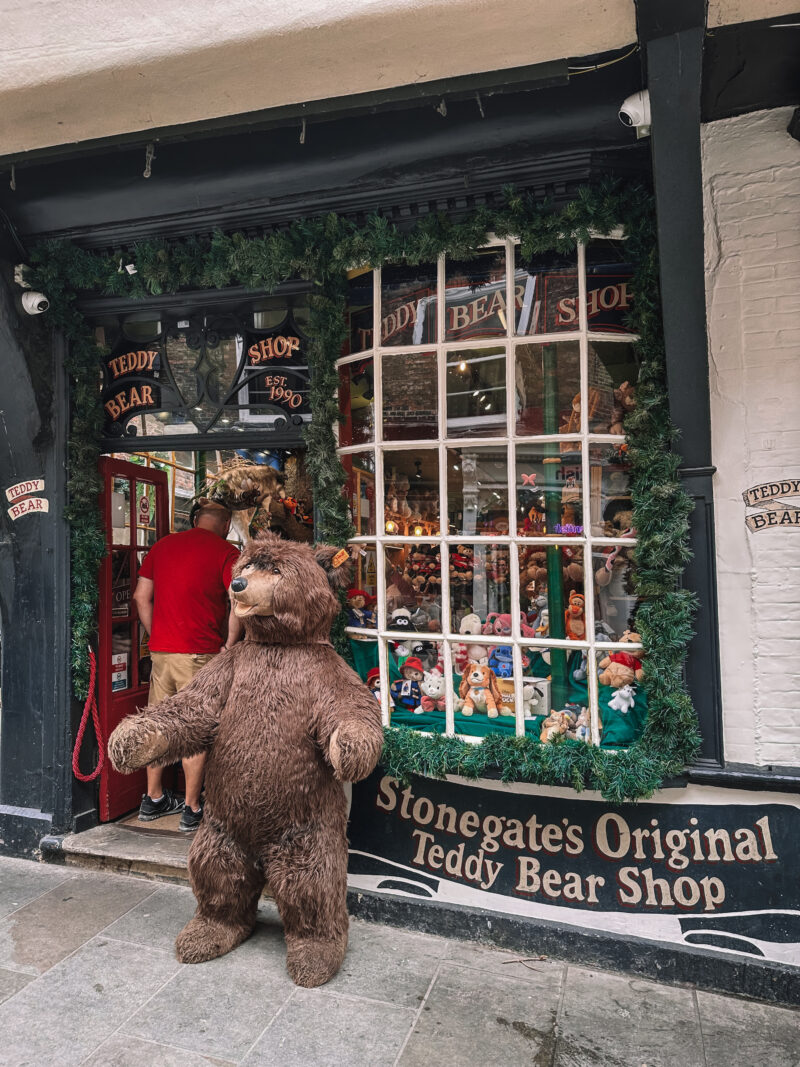


Interesting to know:
- The Shambles once had over 25 butcher shops; none remain today.
- Some buildings still have interiors with original medieval beams and uneven floors.
- Early morning visits offer the quietest, most atmospheric experience — perfect for photography.
📍 Location: The Shambles, York city centre
🕒 Allow: 30–60 minutes to wander, longer if you explore the shops and nearby snickelways.
💷 Admission: Free to stroll; some shops and attractions may have entry fees.
The Jorvik Viking Centre – Step Back to 10th‑Century York
Beneath the streets of modern York lies the world of Jórvík – the Viking city that thrived here over a thousand years ago. The JORVIK Viking Centre stands on the exact site where, between 1976 and 1981, archaeologists from the York Archaeological Trust uncovered one of the most remarkable urban excavations in Europe. Buried five metres below Coppergate, the damp, oxygen‑poor soil had preserved over 40,000 artefacts – from timber buildings and leather shoes to textiles, tools, and even plant remains – offering an unparalleled glimpse into everyday Viking life.
When the centre opened in 1984, it revolutionised how history could be experienced. Instead of static displays, visitors were invited to travel back to 975 AD aboard a “time‑capsule” ride through a meticulously reconstructed Viking street. Every detail – from the architecture to the market chatter – was based on archaeological evidence. The lifelike animatronic residents were created using forensic reconstructions from actual Viking skeletons found on site.
Today, the experience remains as immersive as ever:
- Ride through Jórvík – meet merchants, blacksmiths, and families going about their day, complete with authentic sounds, scents, and even Old Norse dialogue.
- See the real finds – over 800 original artefacts from the Coppergate dig are on display, including jewellery, coins, and household objects.
- Meet the Vikings – costumed interpreters bring the past to life, answering questions about everything from shipbuilding to sagas.
Interesting to know:
- “Jórvík” means place of the yew trees in Old Norse.
- The Coppergate dig remains one of the largest and most important urban archaeological projects in Britain.
- Since opening, the centre has welcomed over 20 million visitors, including Queen Elizabeth II at its inauguration.


📍 Location: Coppergate, York city centre
🕒 Allow: 1–2 hours for the full experience
💷 Admission: Paid entry (check current prices on the official JORVIK Viking Centre site)
Whether you’re fascinated by archaeology, intrigued by Viking culture, or simply love the thrill of stepping into another time, the JORVIK Viking Centre offers a journey that’s as vivid as it is unforgettable.
Roman Baths – Ancient Leisure Beneath a Modern Pub
Tucked beneath a Grade II‑listed pub in St Sampson’s Square lies one of York’s most unexpected treasures – the remains of a 1,900‑year‑old Roman bathhouse. Discovered by chance in 1930 during renovations of the then Mail Coach Inn, the site revealed a remarkably well‑preserved caldarium (steam room) and parts of the hypocaust heating system, once used by soldiers of the Ninth Legion Hispana stationed in the fortress of Eboracum from AD 71 to around AD 121.
This was no humble washroom. Roman baths were the social hubs of their day – part spa, part gym, part meeting hall – where soldiers and citizens alike came to relax, gossip, strike deals, and unwind after drills. The York bath complex would have included hot, warm, and cold rooms, with underfloor heating channelling steam through the walls and floors.
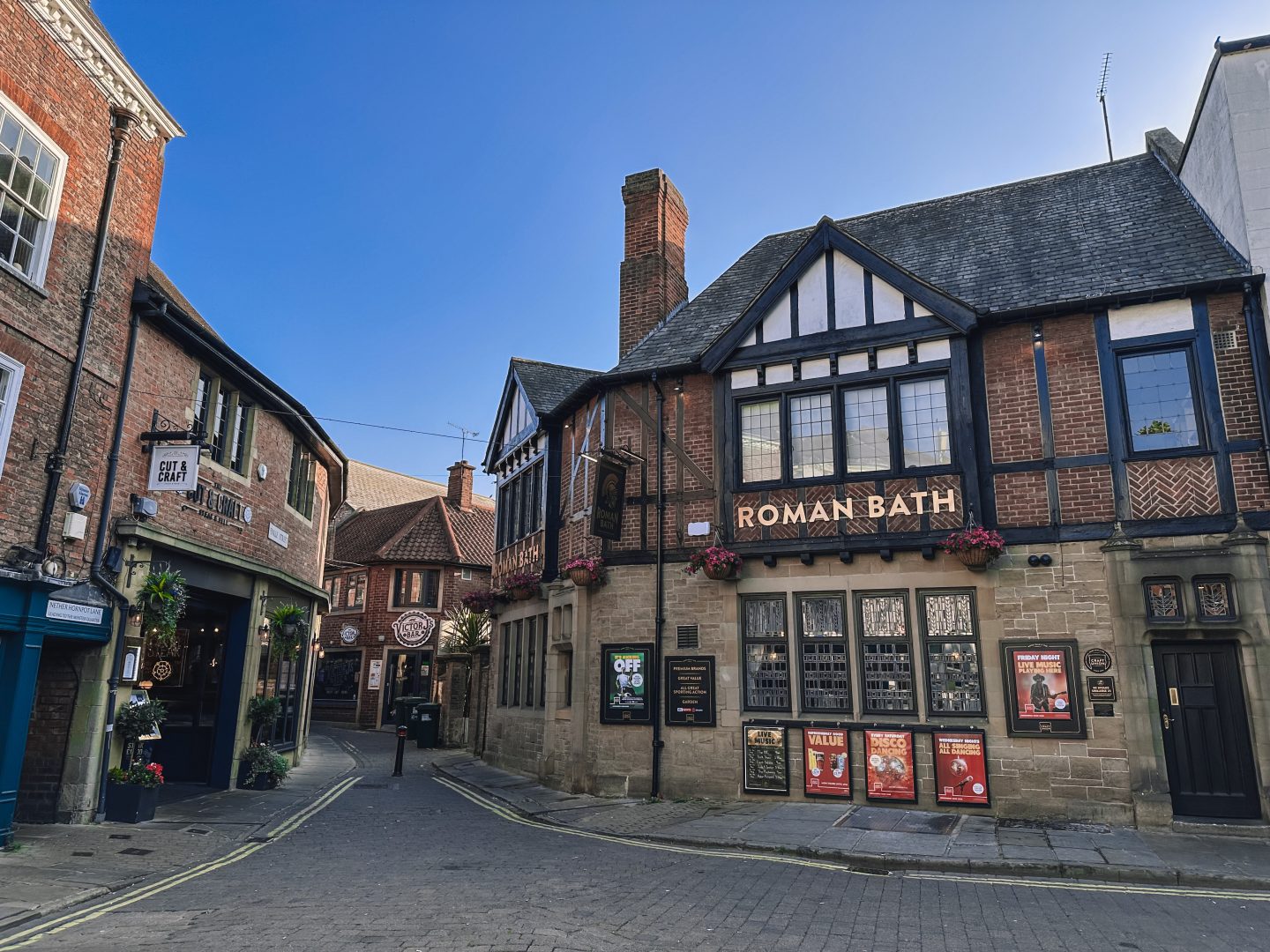
Today, visitors descend from the pub into a compact but atmospheric museum where you can:
- Stand beside the semi‑circular bath and apsidal walls that once echoed with legionary chatter.
- See the hypocaust system that kept the floors deliciously warm.
- Examine original Roman tiles, some stamped with the Ninth Legion’s seal, others bearing the nail‑marks of sandals worn nearly two millennia ago.
- View displays of armour, weapons, and everyday objects found on site.
Interesting to know:
- The Ninth Legion’s fate remains one of Rome’s great mysteries — they vanish from records after the early 2nd century.
- The bathhouse was part of a fortress complex that could house around 5,000 soldiers.
- Some say Emperor Constantine, proclaimed Augustus in York in AD 306, may have bathed here during his time in the city.


📍 Address: 9 St Sampson’s Square, York YO1 8RN
🕒 Opening hours: Daily, 11:00–16:00 (check ahead for seasonal changes)
💷 Admission: Around £4.50 for adults (free with the York Pass)
Whether you’re a history enthusiast, a Roman Britain aficionado, or simply intrigued by the idea of sipping a pint above ancient history, the Roman Bath Museum offers a rare, tangible link to York’s earliest days – and a story you won’t find on every tourist map
York’s Twin Waterways: Where History Flows with the Tide
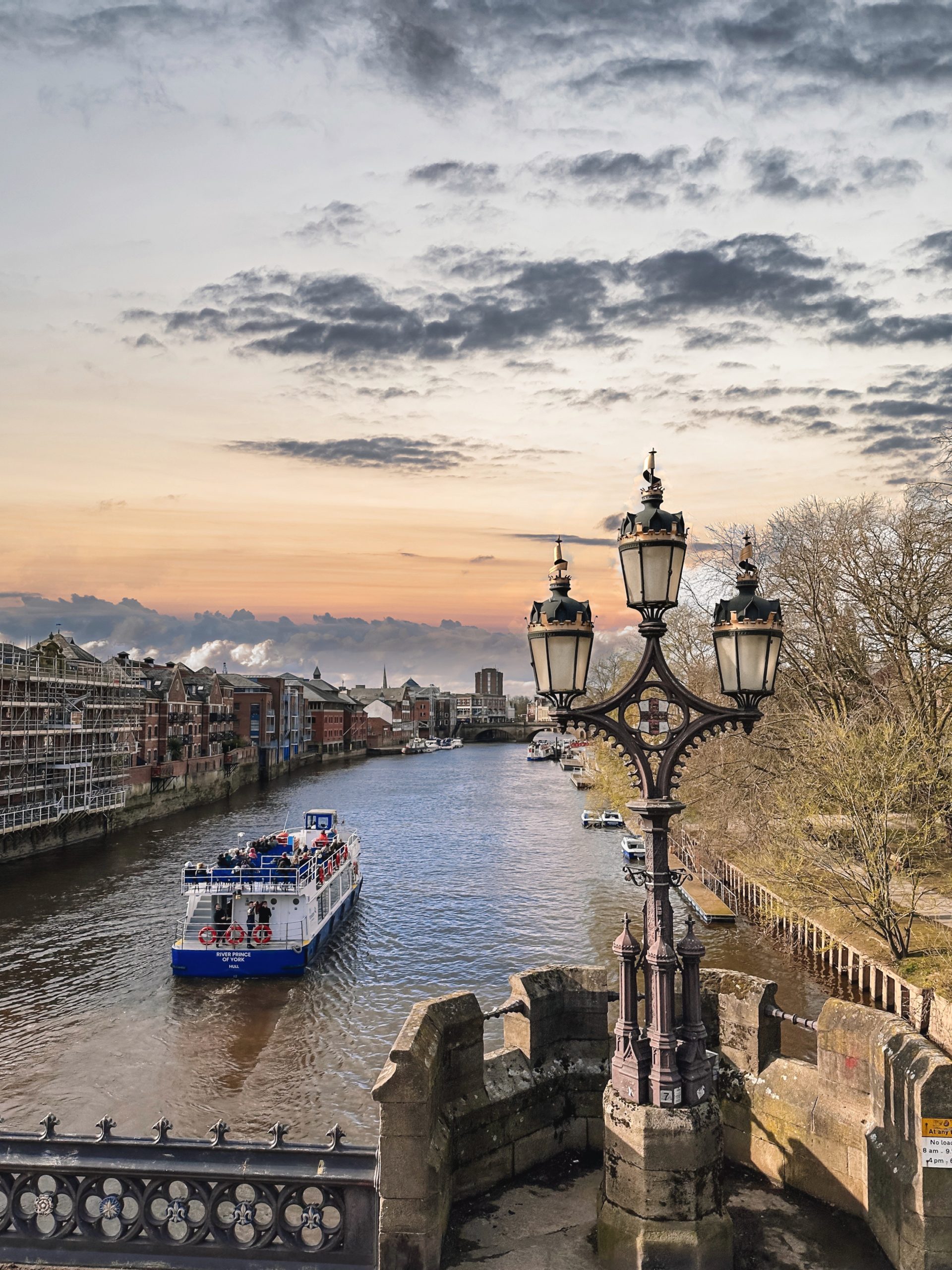
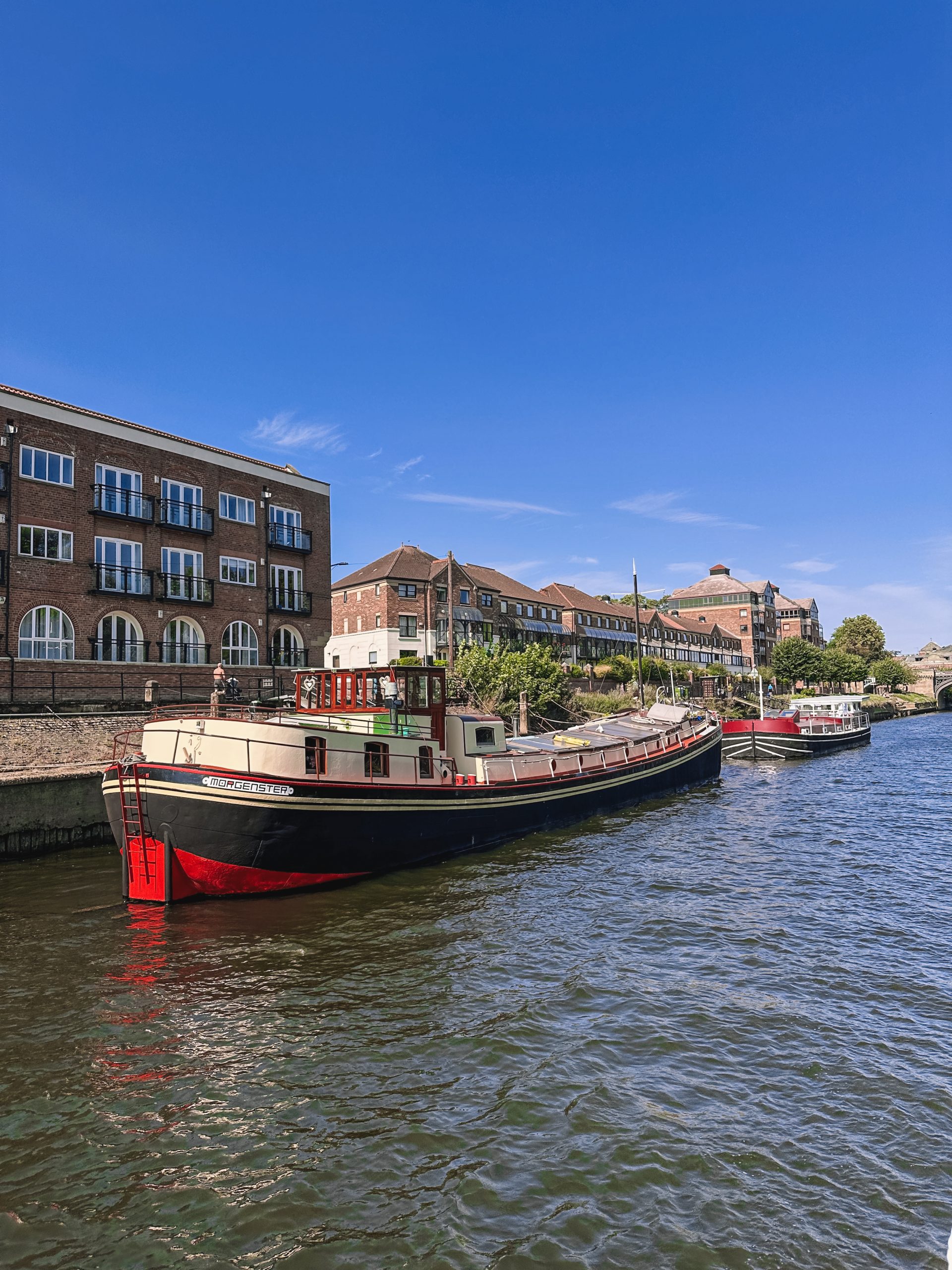
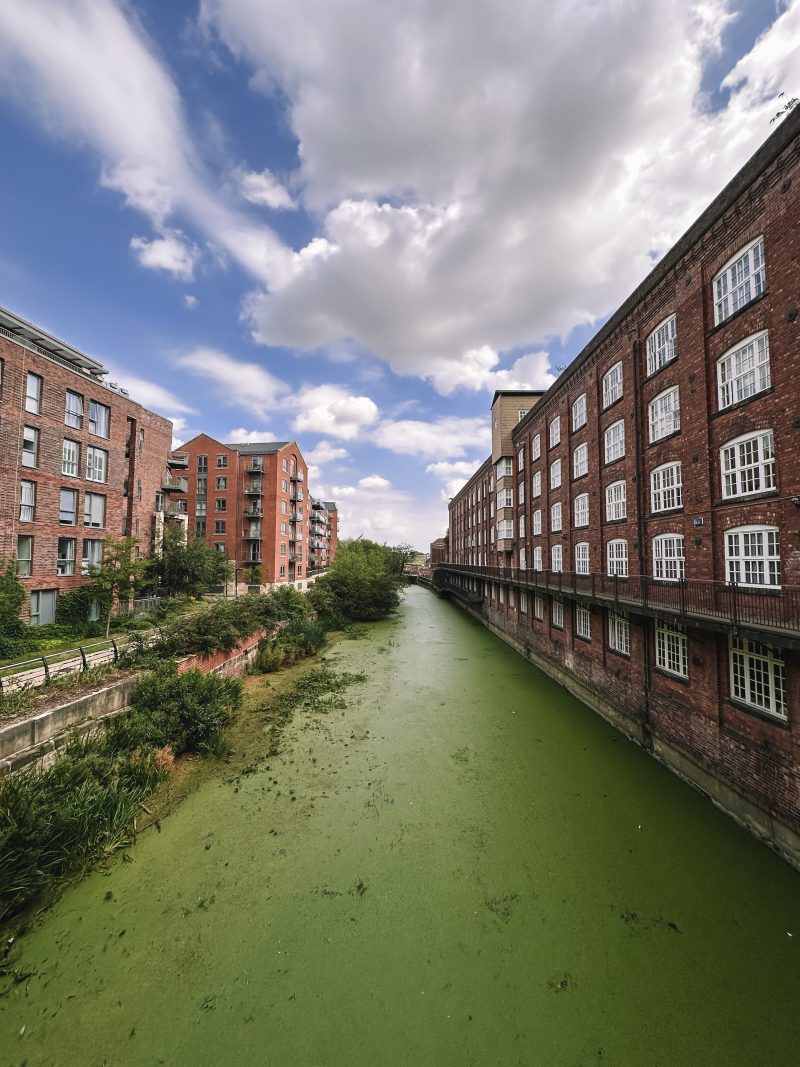
York isn’t just a city of cobbles, cathedrals, and ghost stories – it’s a place that moves to the rhythm of its rivers. The Ouse and the Foss have been quietly (and sometimes dramatically) shaping the city’s fortunes for nearly 2,000 years.
The Ouse – York’s Grand Liquid Boulevard
Once the medieval motorway for merchants, the River Ouse carried wool, wine, and whispers of far-off lands straight into the heart of the city. Today, it’s more about pleasure than trade – think sightseeing cruises, Prosecco-fuelled evening sails, and lazy afternoons watching the water sparkle under Lendal Bridge.
Fun fact: The Ouse is tidal as far as Naburn Lock, so the water level can rise and fall by several metres – a quirk that makes York both photogenic and occasionally prone to soggy surprises.

The Foss – The Quirky Sidekick
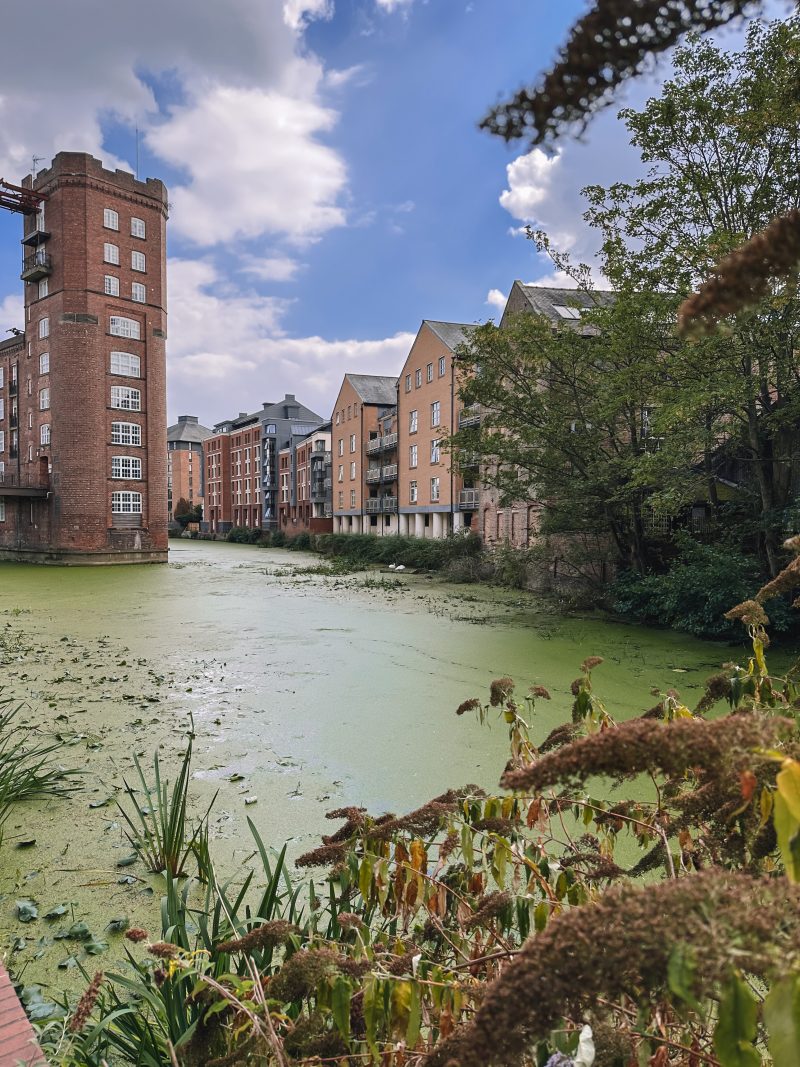
Shorter, shyer, but with a flair for drama, the Foss once formed part of York’s defences. In the 11th century, it was dammed to create the King’s Pool – a swampy moat that made invading armies think twice.
- Name origins: Possibly from the Latin Fossa (ditch) or Old Norse Fos (waterfall) – either way, it’s been making a splash in local history for centuries.
- Odd claim to fame: In 1777, the Foss hosted Britain’s first recorded launch of an iron boat – a 12-foot pleasure craft said to carry 15 people. Brave souls, indeed.


Why You’ll Love Them
- Cruises with character: From daytime history tours to twinkling evening sailings, the Ouse is York’s floating front row seat.
- Riverside rambles: Stroll the Ouse from Ouse Bridge to Millennium Bridge for leafy views, or follow the Foss Walk for a quieter, more intimate slice of the city.
- History at every bend: Vikings, Victorians, and visionaries have all left their mark on these waters — and they’re still the city’s most photogenic storytellers.
Dining Gems
Legacy at The Grand, York: Dining Through the Ages in Five-Star Style
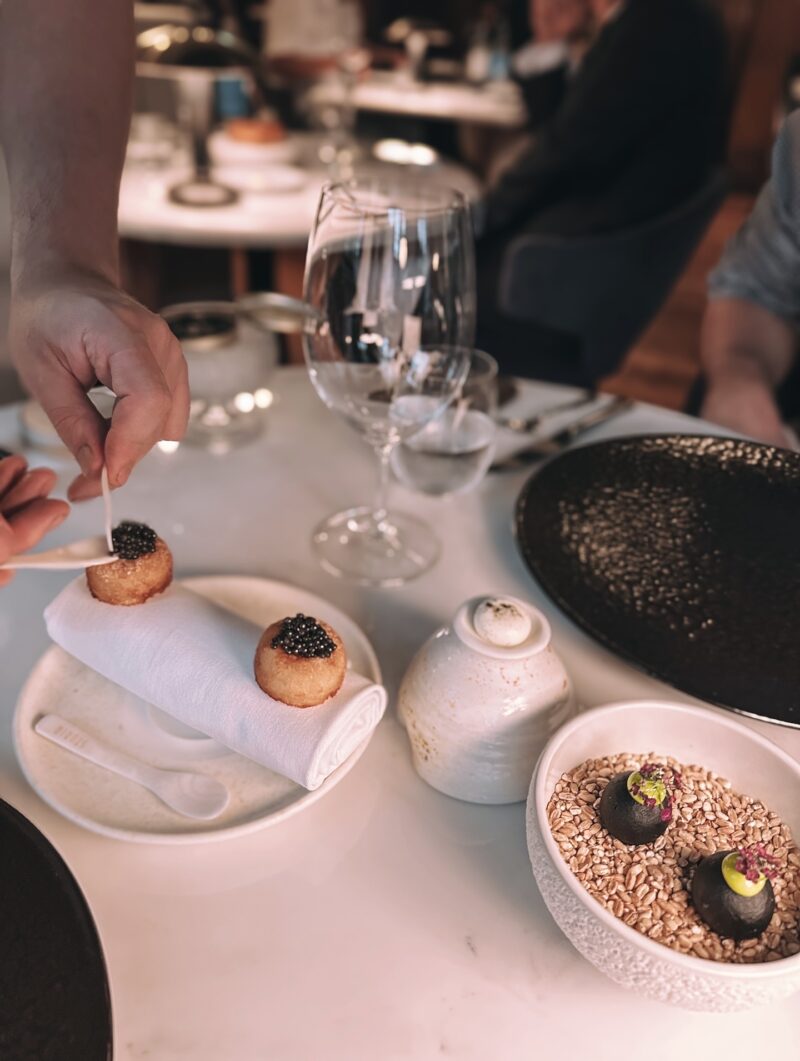
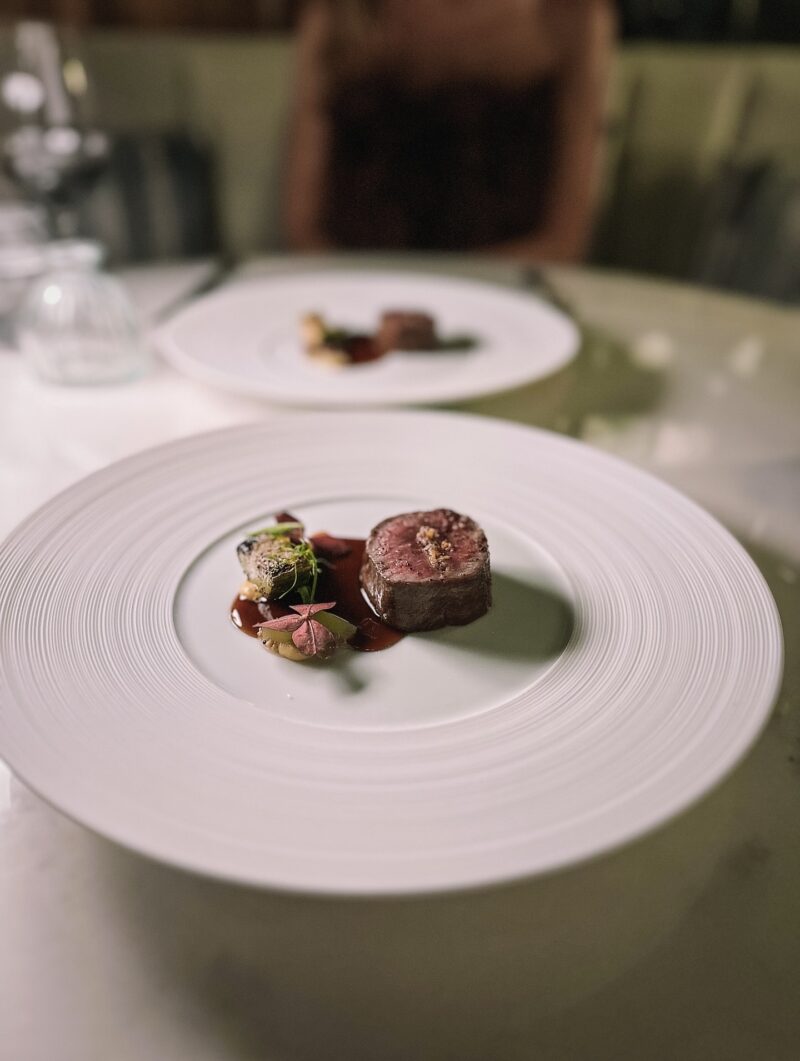
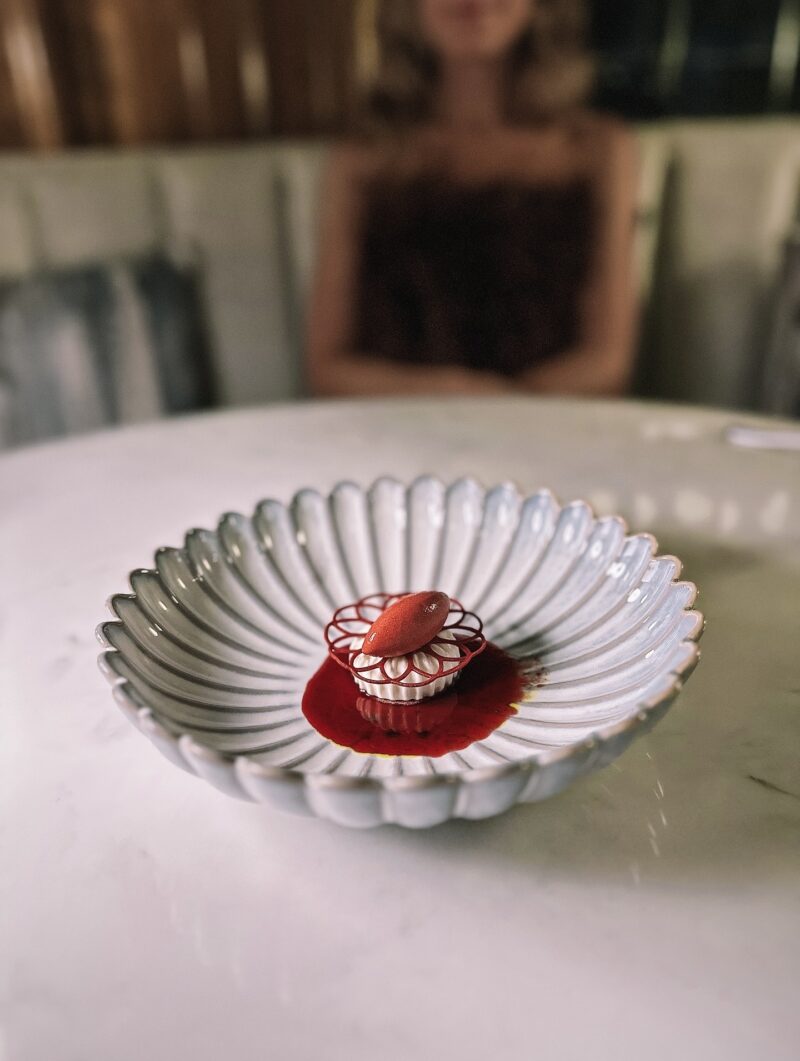
If York’s history were a tasting menu, Legacy would be the course that makes you close your eyes and sigh. Tucked inside The Grand, Yorkshire’s only five-star hotel, this fine-dining gem doesn’t just serve dinner – it serves a time-travelling culinary experience.
The Grand began life in 1906 as the headquarters of the North Eastern Railway – a Grade II-listed Edwardian masterpiece built to impress. Today, its marble floors, sweeping staircases, and hushed elegance set the stage for Legacy’s own performance: a menu that journeys through three defining eras of York – the opulence of Roman Eboracum, the bold spirit of Viking Jorvik, and the enduring charm of modern-day York.
At Legacy, dining becomes a journey through time, where Yorkshire’s finest seasonal produce meets inventive global techniques. Each course is a carefully composed work of art – from delicate shiitake custard inspired by Japanese chawanmushi to golden honeycomb harvested from the hotel’s own rooftop hives. The presentation is as captivating as the flavours, with every plate telling part of a larger story. Expertly matched wines elevate the experience, ensuring each sip harmonises beautifully with the dish it accompanies. This is more than a meal – it’s a five-star narrative served on fine china
Why Choose Legacy?
- A Culinary Storyline: Each dish is part of a narrative – you’re not just eating, you’re travelling through centuries.
- Five-Star Surroundings: The Grand’s heritage and luxury wrap your evening in quiet opulence.
- Local Love: Ingredients are sourced from Yorkshire’s fields, farms, and coastlines.
- Recognition: Featured in The Telegraph’s “14 Best Restaurants in York” and noted by Michelin as one to watch.


📍 Address: Legacy, The Grand, Station Rise, York YO1 6GD, United Kingdom
NOLA, York: Where Gatsby Glamour Meets Cajun Heat
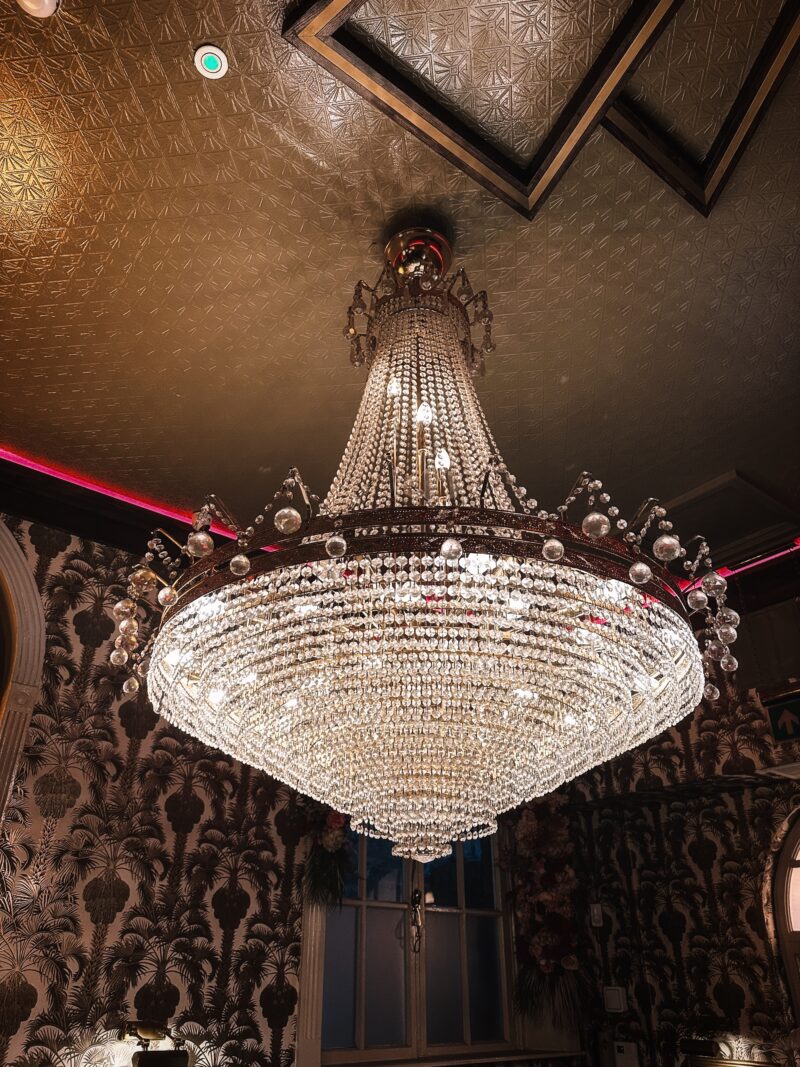
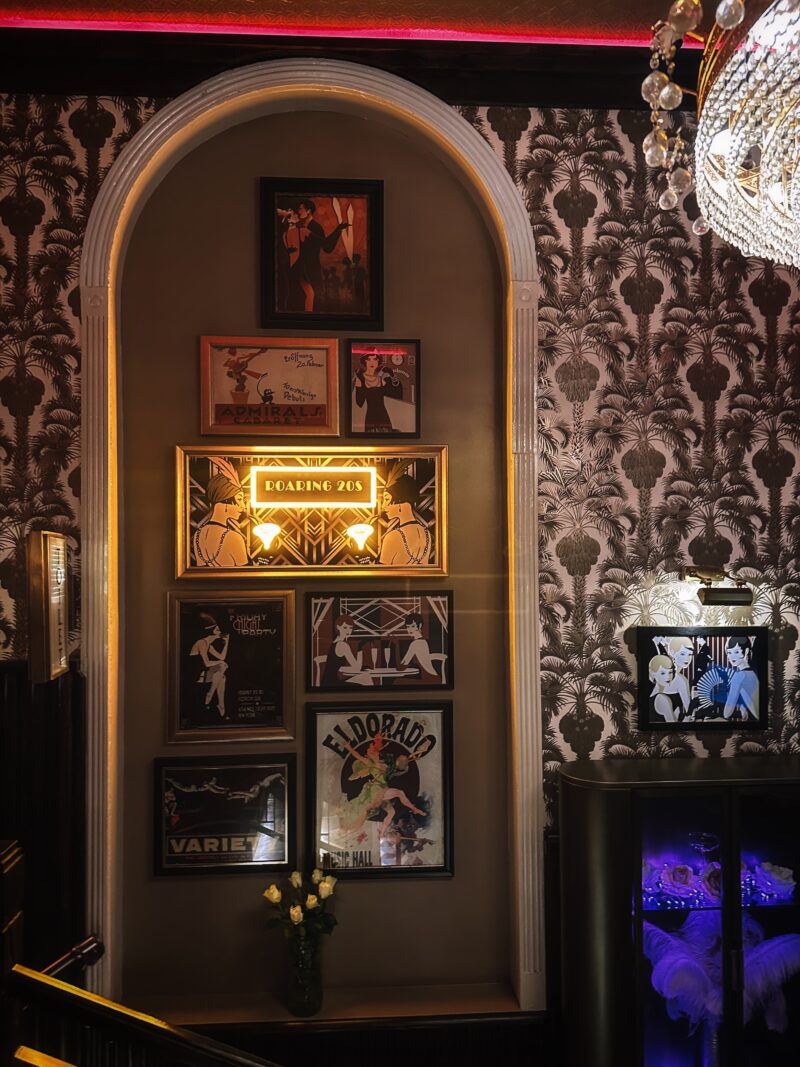
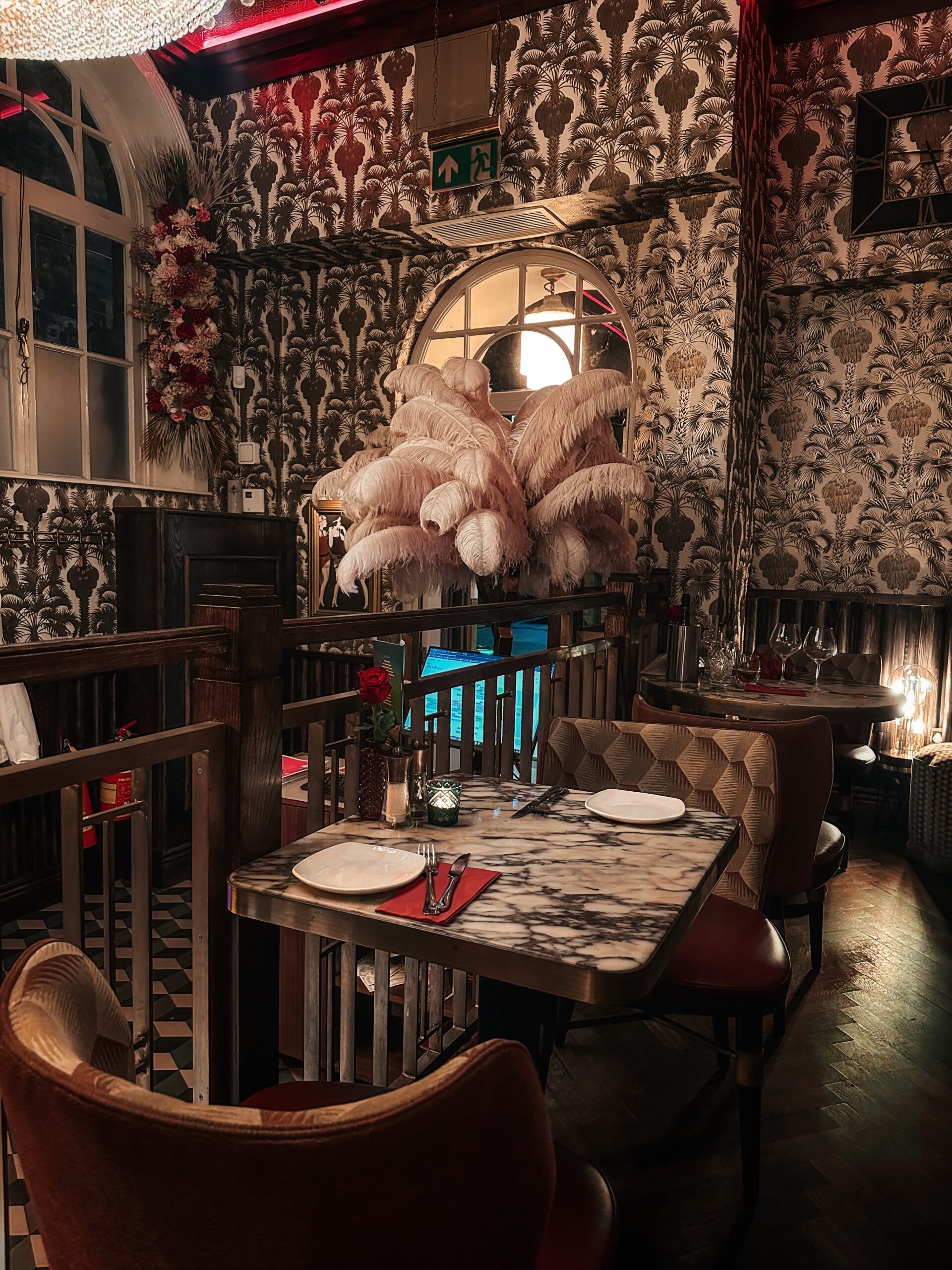
Step through the doors of NOLA and you might just wonder if you’ve slipped back a century. Housed in a former Congregational Chapel, this 1920s Art Deco–styled restaurant and bar is all rose-gold accents, geometric mirrors, and plush leather seating – the kind of place where you half expect a flapper to shimmy past with a champagne coupe.
A Little History with Your Gumbo
Once a place of sermons, the building now preaches the gospel of New Orleans–inspired dining. The owners transformed the space during lockdown, swapping hymn books for cocktail shakers and turning the downstairs dining room into a speakeasy-style stage for live jazz three nights a week. The result? A venue that’s as much about mood as it is about menu.
Small Plates, Big Personality
NOLA’s menu is a love letter to Louisiana with a Yorkshire wink – Cajun and Creole flavours mingle with global influences, all served as small plates so you can taste your way around the bayou without leaving your seat. Think gumbo, grilled oysters, southern-fried cauliflower, and prawn po’ boys, alongside inventive cocktails that could charm even the most stoic prohibition agent.


📍 Address: NOLA, 9 Lendal, York YO1 8AQ, United Kingdom.
The Ivy St. Helen’s Square: Where York’s History Meets Haute Brunch
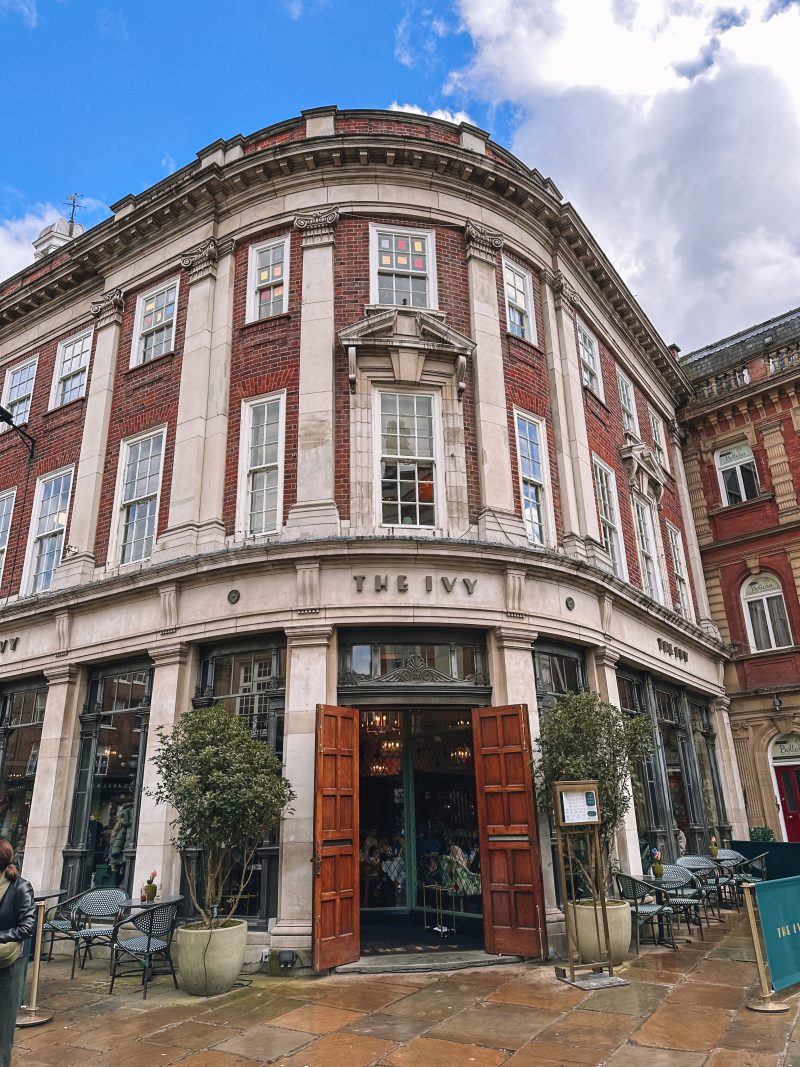
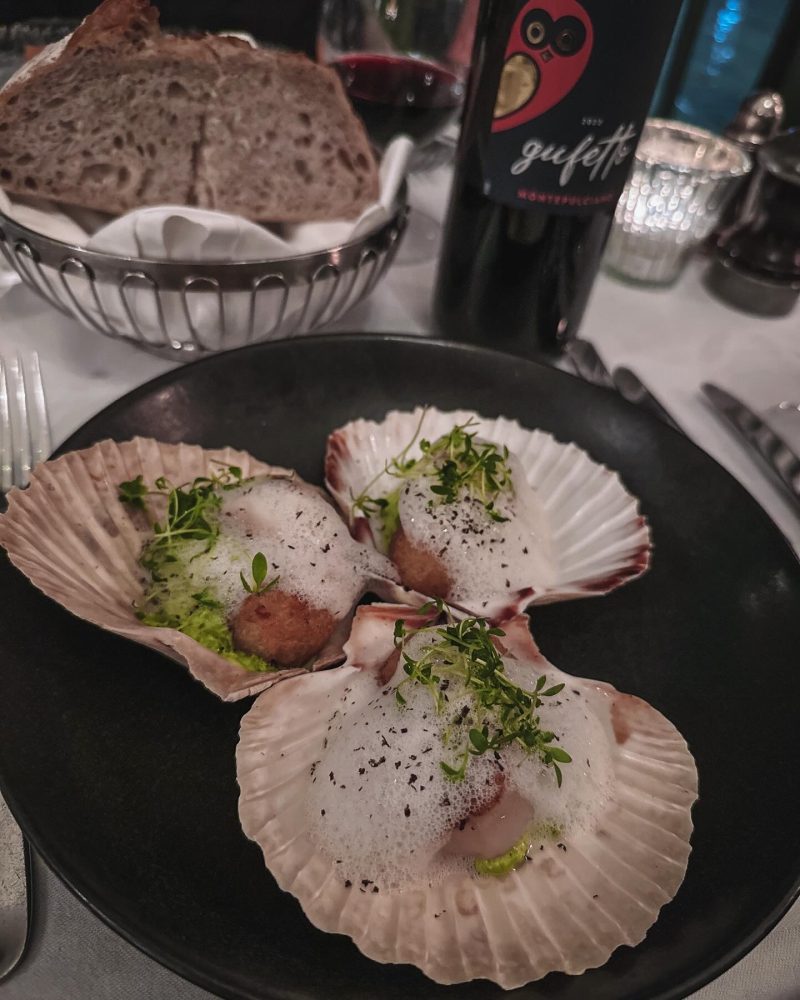
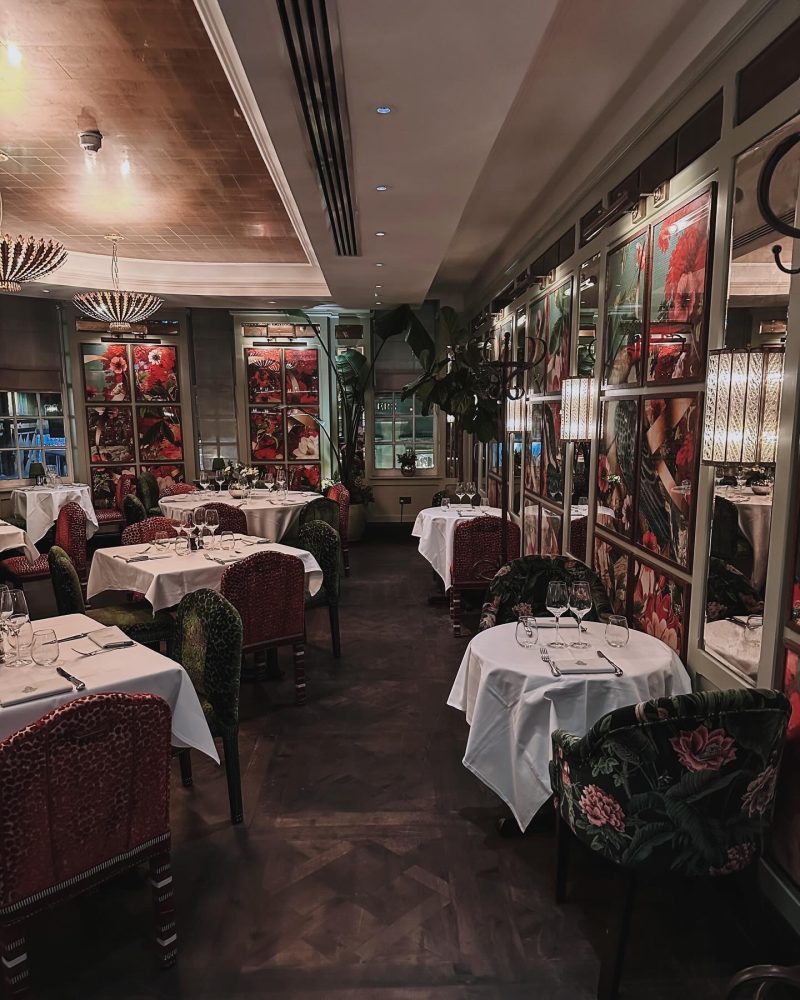
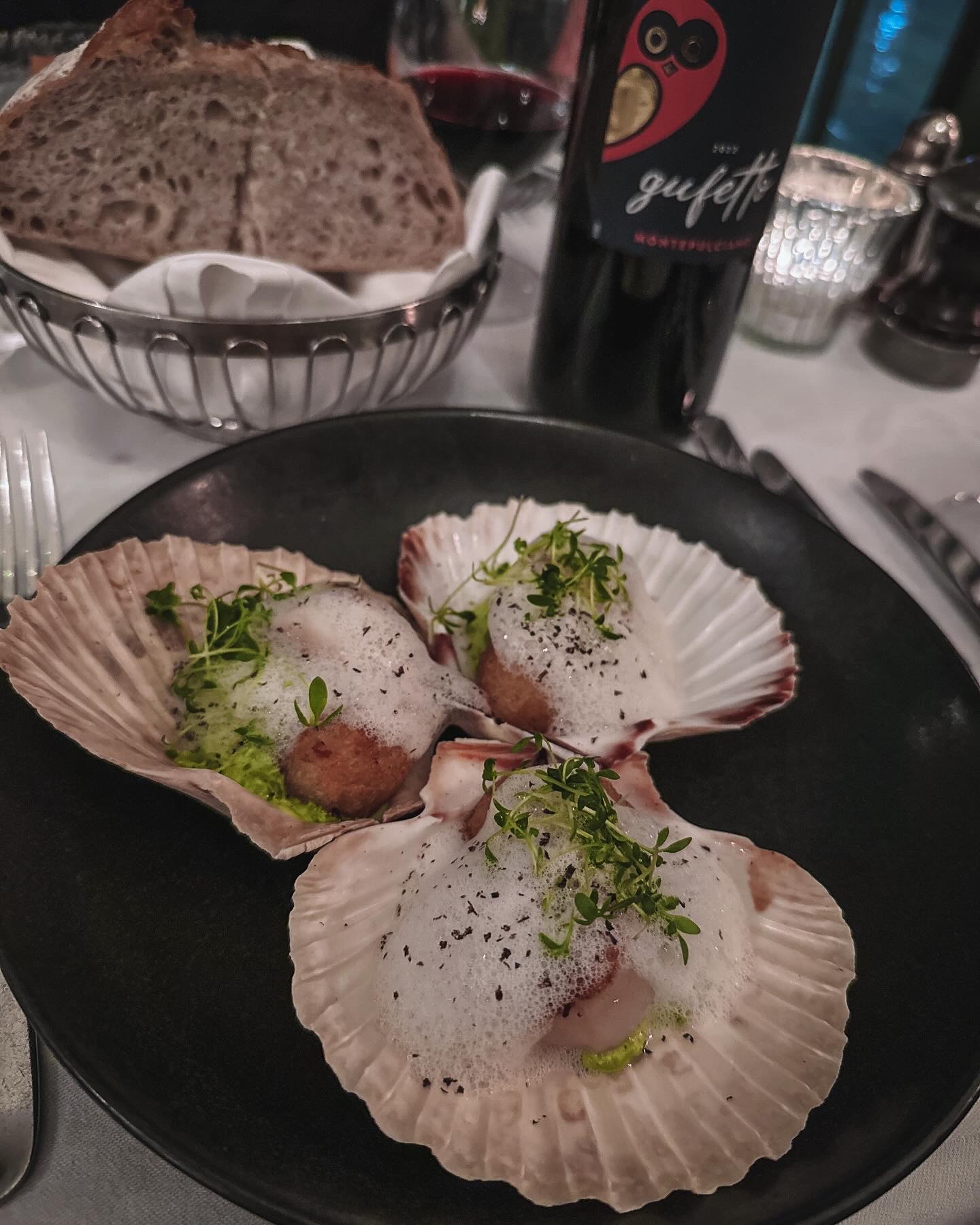
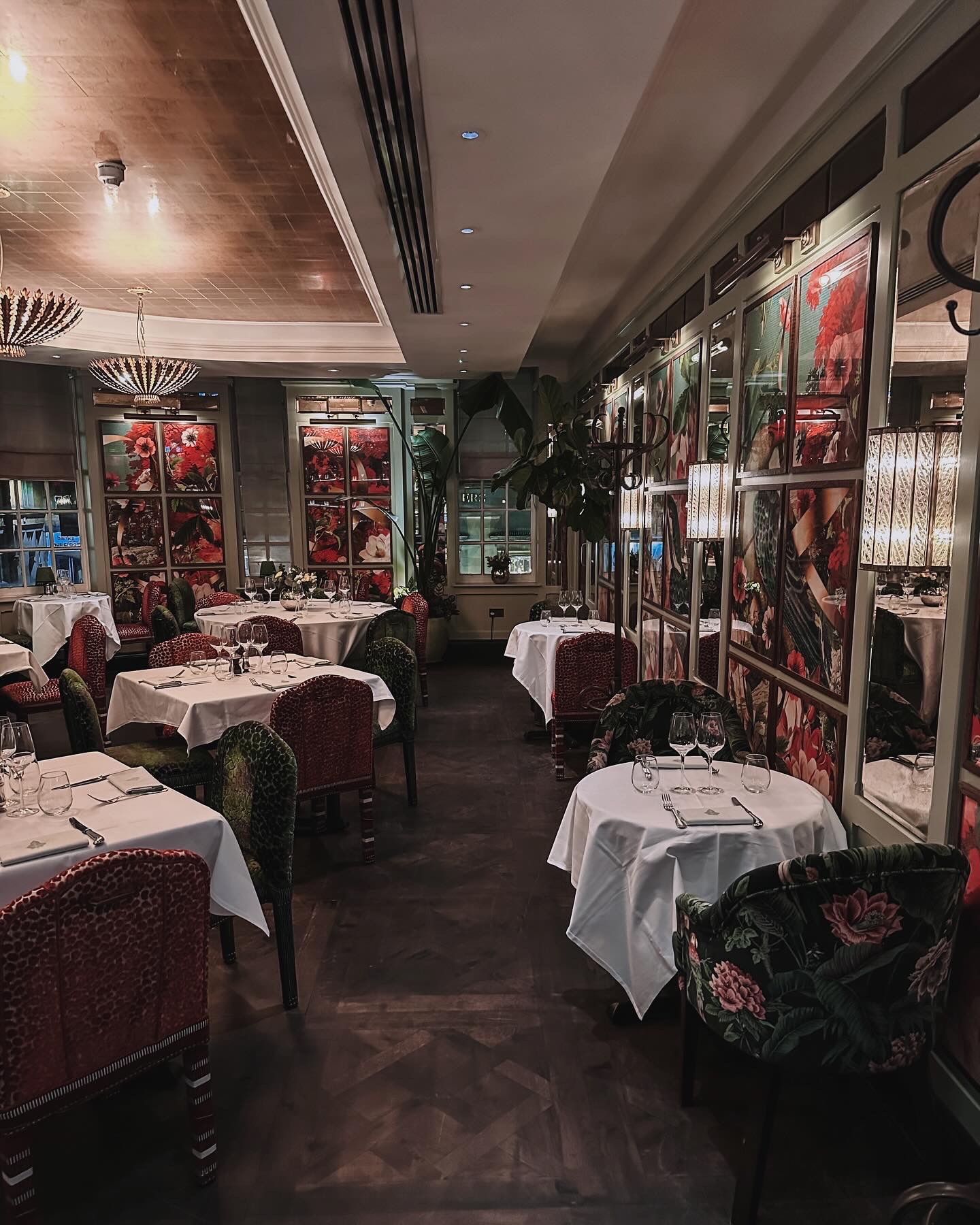
Perched beside York’s Mansion House – home to the Lord Mayor since 1732 – The Ivy occupies a prime spot on the city’s most elegant square. The building’s refined frontage hides a Martin Brudnizki–designed interior of marble-topped bars, pendant lighting, and leather banquettes, all humming with that quintessentially British brasserie buzz.
From breakfast that could tempt even the most committed lie-in, to afternoon tea that feels like a Jane Austen chapter with better cocktails, the menu is a love letter to modern British classics. Think shepherd’s pie, fish and chips, and flourless cappuccino cake – all plated with Instagram-ready precision.
The Ivy’s are not just restaurants – it’s my happy place in heels. From York to far-flung city squares, each one serves up a delicious dose of glamour with your greens. Fancy a little wander through my other Ivy escapades? CLICK HERE and let’s table-hop together.



Tick-Tock and Tantalise: Dining at Ate O’Clock
If you’re craving a meal that’s equal parts delicious and delightfully offbeat, Ate O’Clock is your culinary time machine. Tucked away in a charming courtyard just off High Ousegate, this restaurant serves up modern British fare with a twist – and a clock-themed interior that’s anything but ordinary. From the oversized timepieces to the whimsical décor, it’s like dining inside a steampunk grandfather clock. Legend has it the building once housed a watchmaker’s workshop, and the restaurant cheekily keeps that legacy ticking.
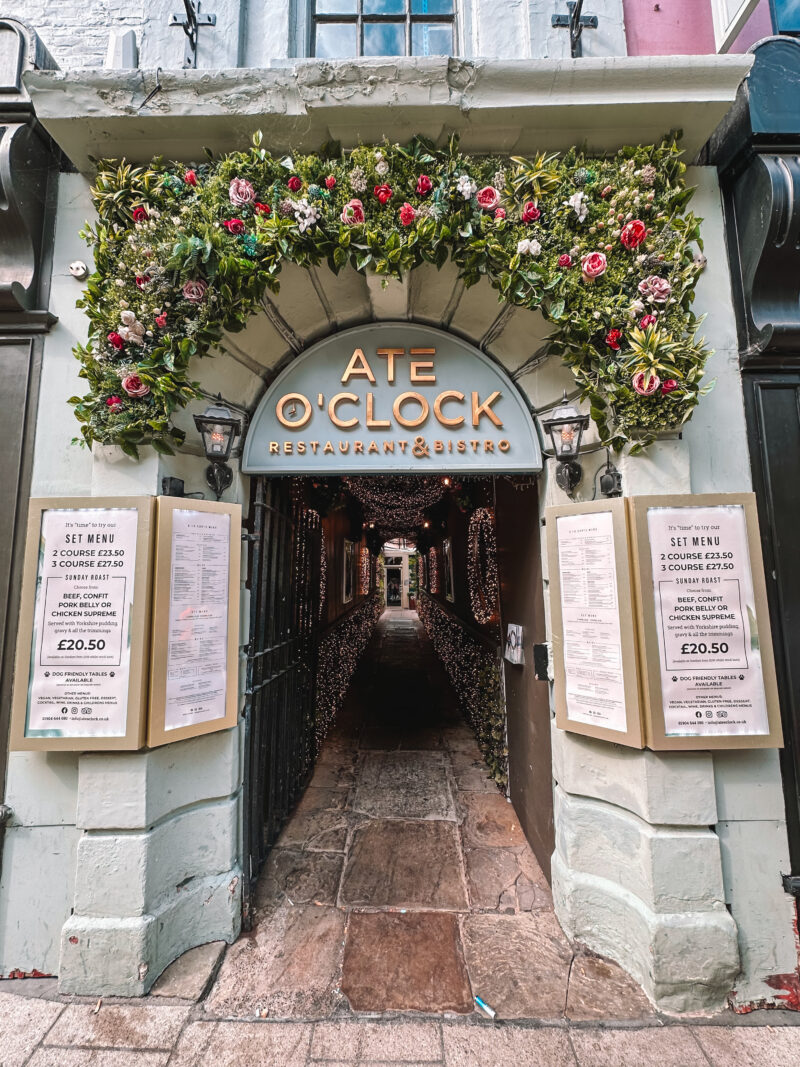
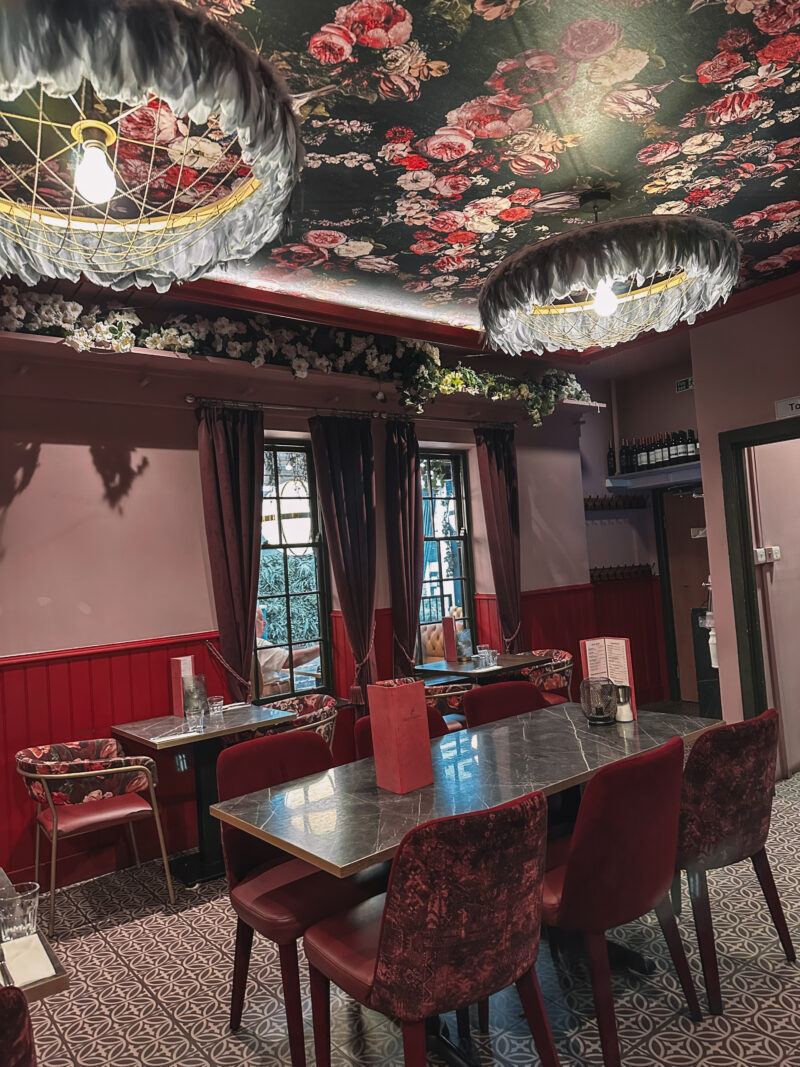
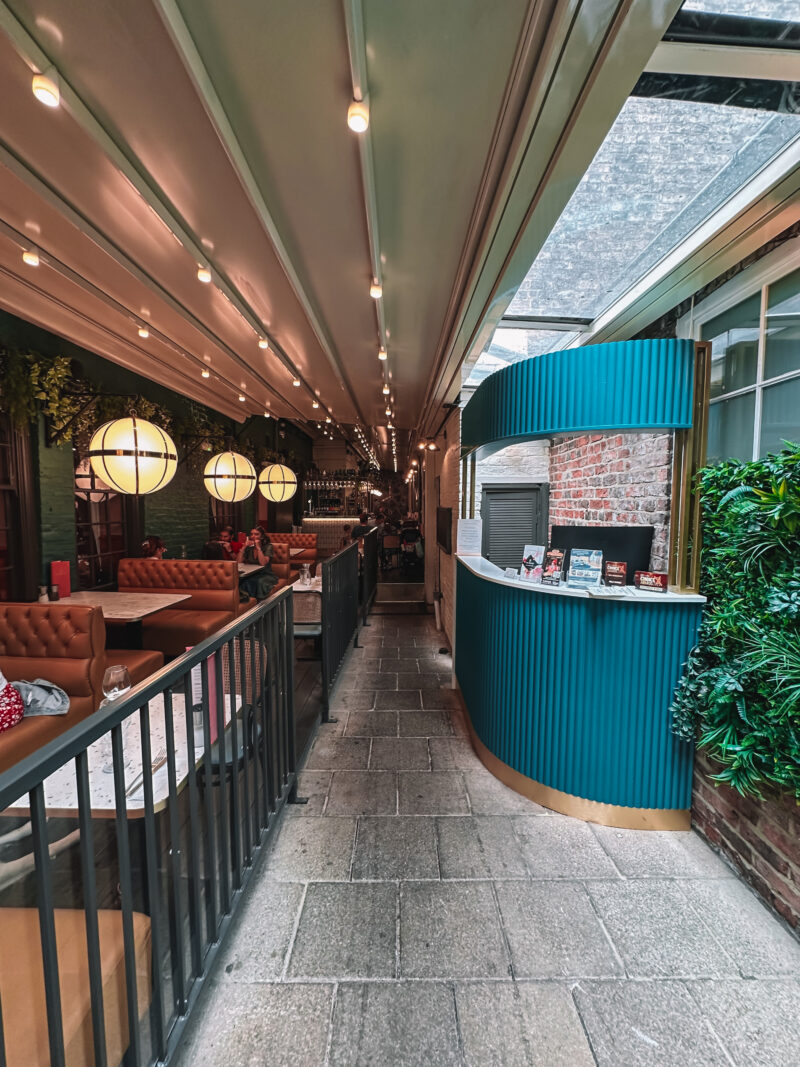


Whether you’re popping in for a leisurely lunch or a romantic dinner, Ate O’Clock delivers flavour, flair, and a dash of eccentricity.
📍 Address: 13A High Ousegate, York YO1 8RZ
Forest, York: Where History, Hedgerows & Heavenly Plates Meet
Tucked into the charming Galtres Lodge on Low Petergate, Forest isn’t your average city-centre restaurant – it’s a leafy little love letter to York’s past and present.
The name Forest harks back to the Royal Forest of Galtres, once sprawling right up to York’s medieval walls. Established by Norman kings, this ancient woodland was a royal hunting ground – and while the deer are long gone, the spirit of nature lingers in Forest’s lush, greenery-filled décor.
The restaurant has stunning features which have been uncovered to show the history of the building; expect original oak beams, exposed brick walls, and traditional fireplaces.
Forest proudly champions “fun dining” – think relaxed, friendly service, hearty home-made dishes, and a menu that works from sunrise to starlight.
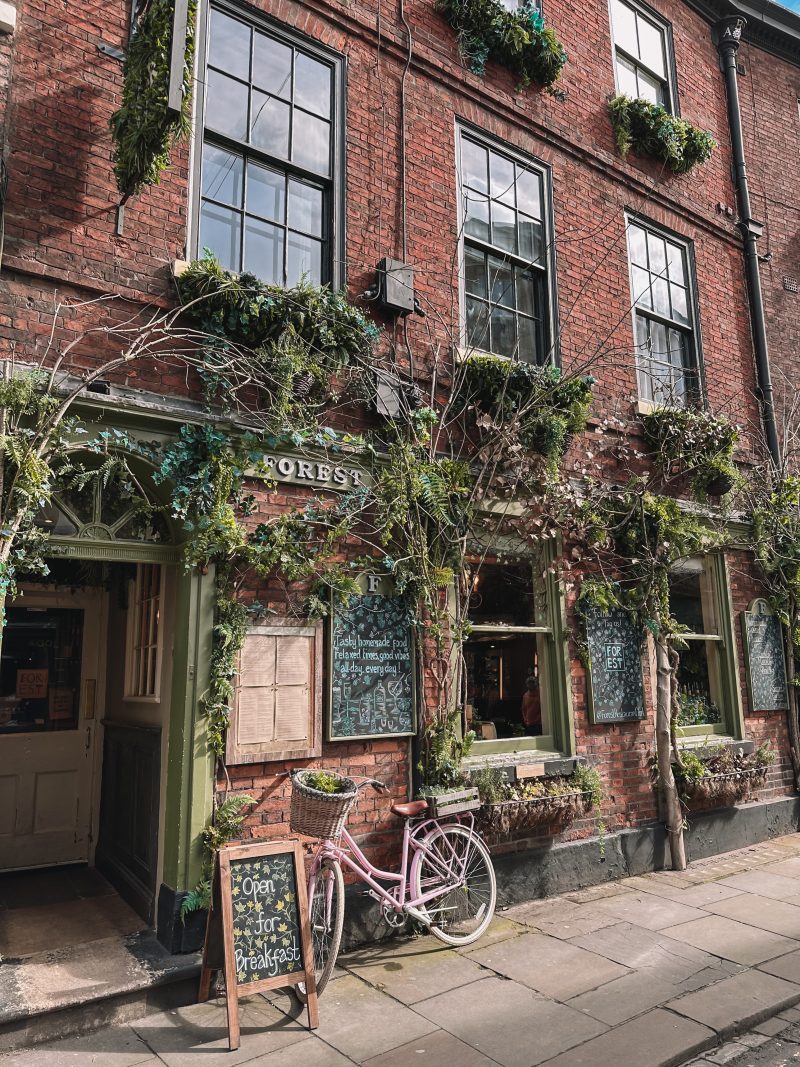
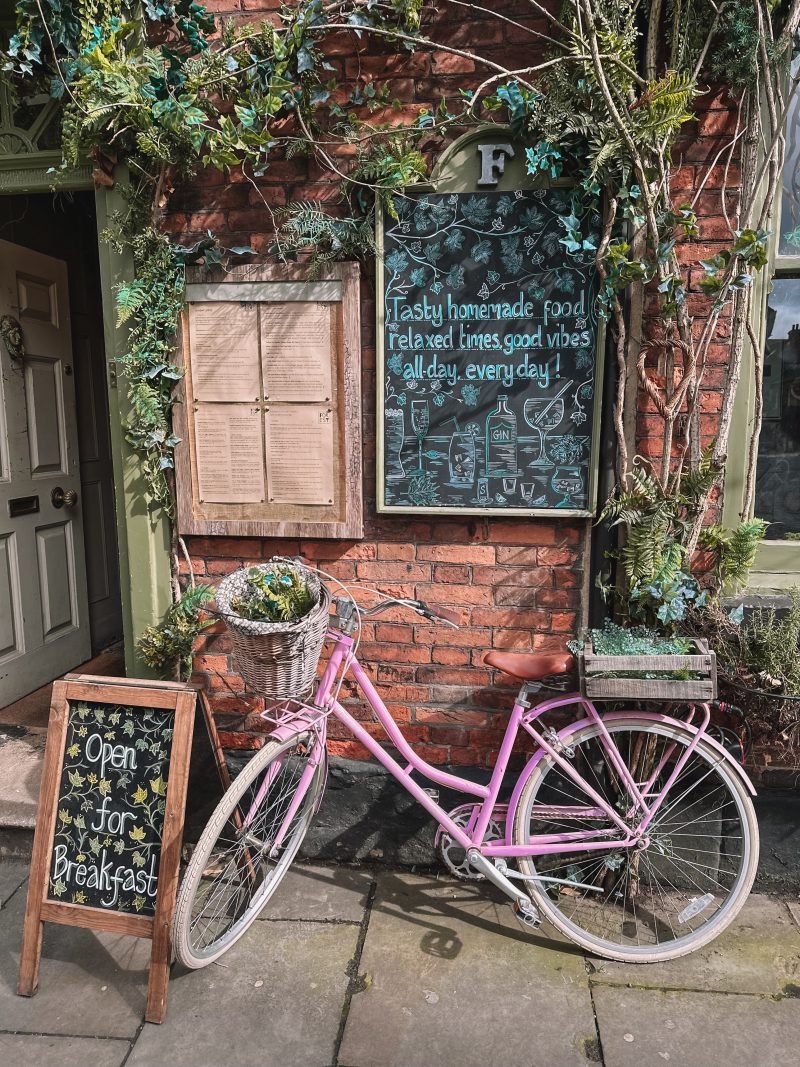

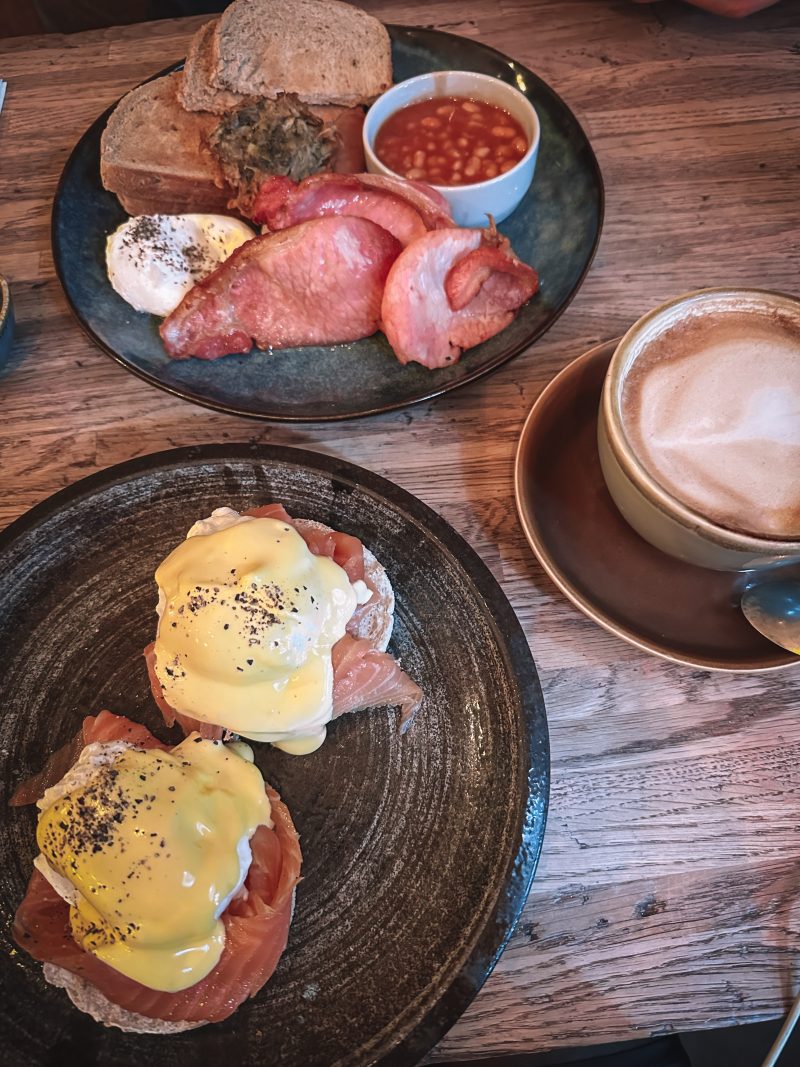
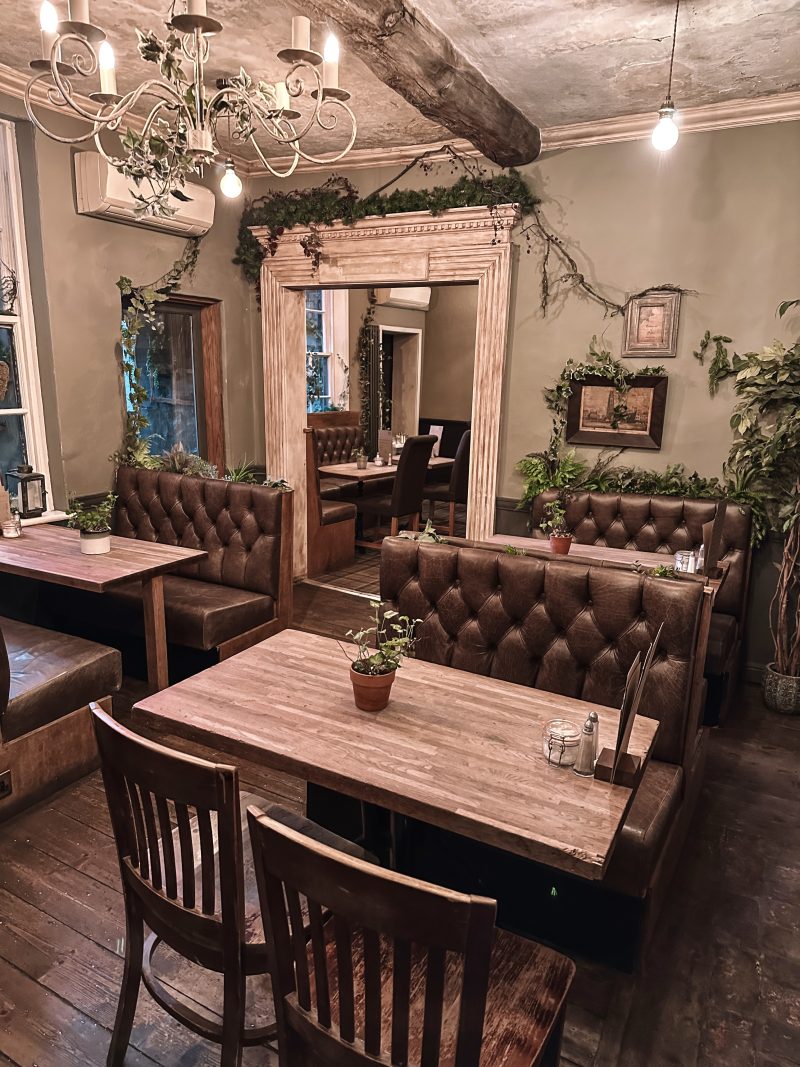
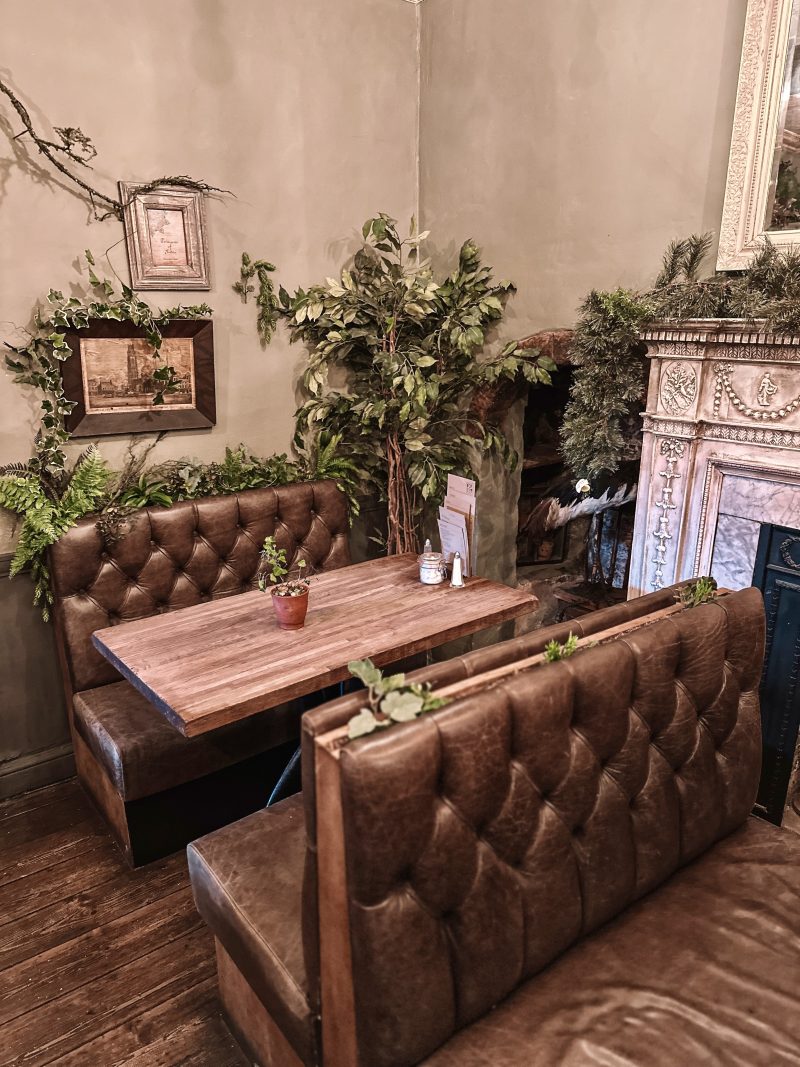
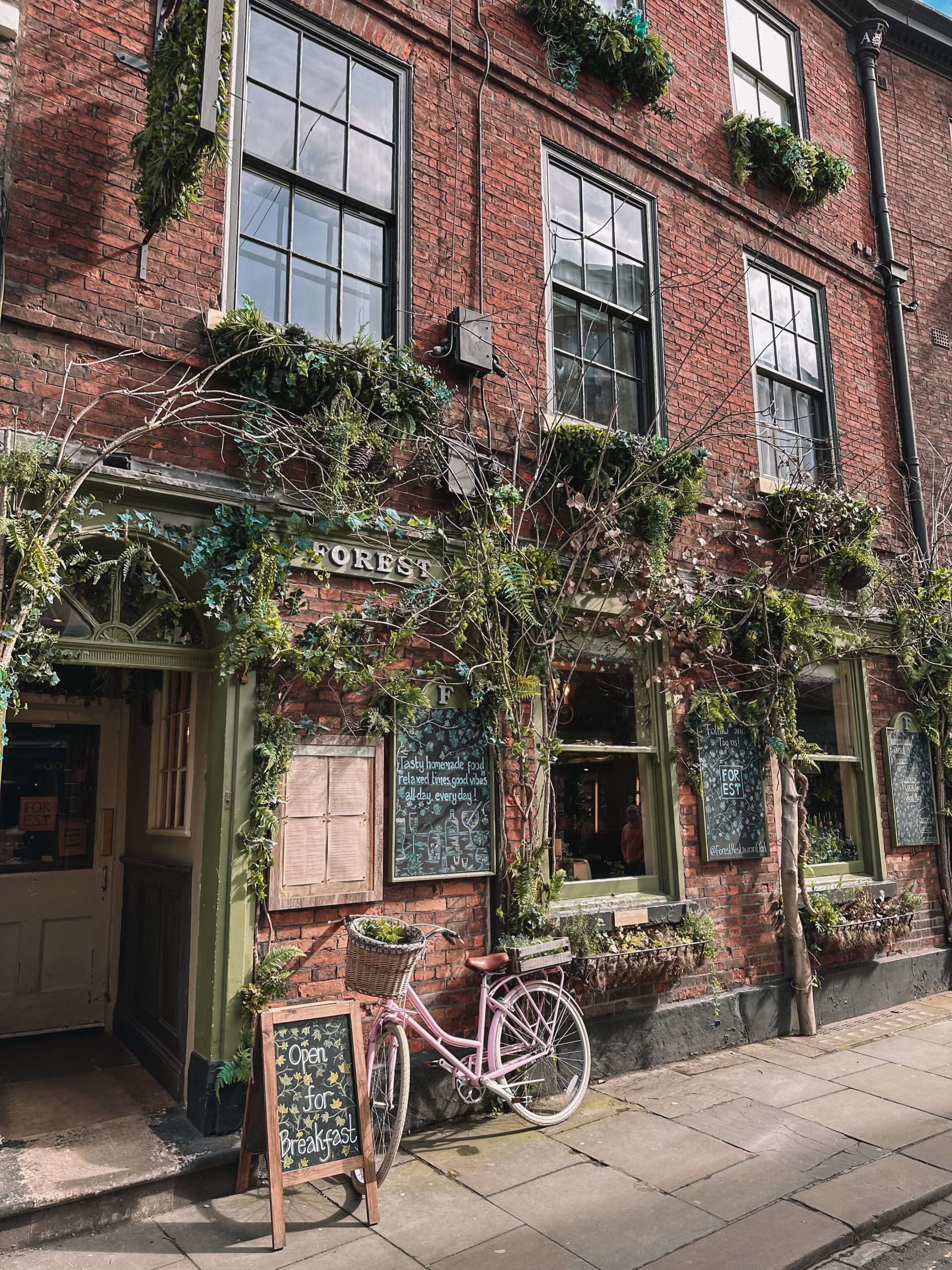
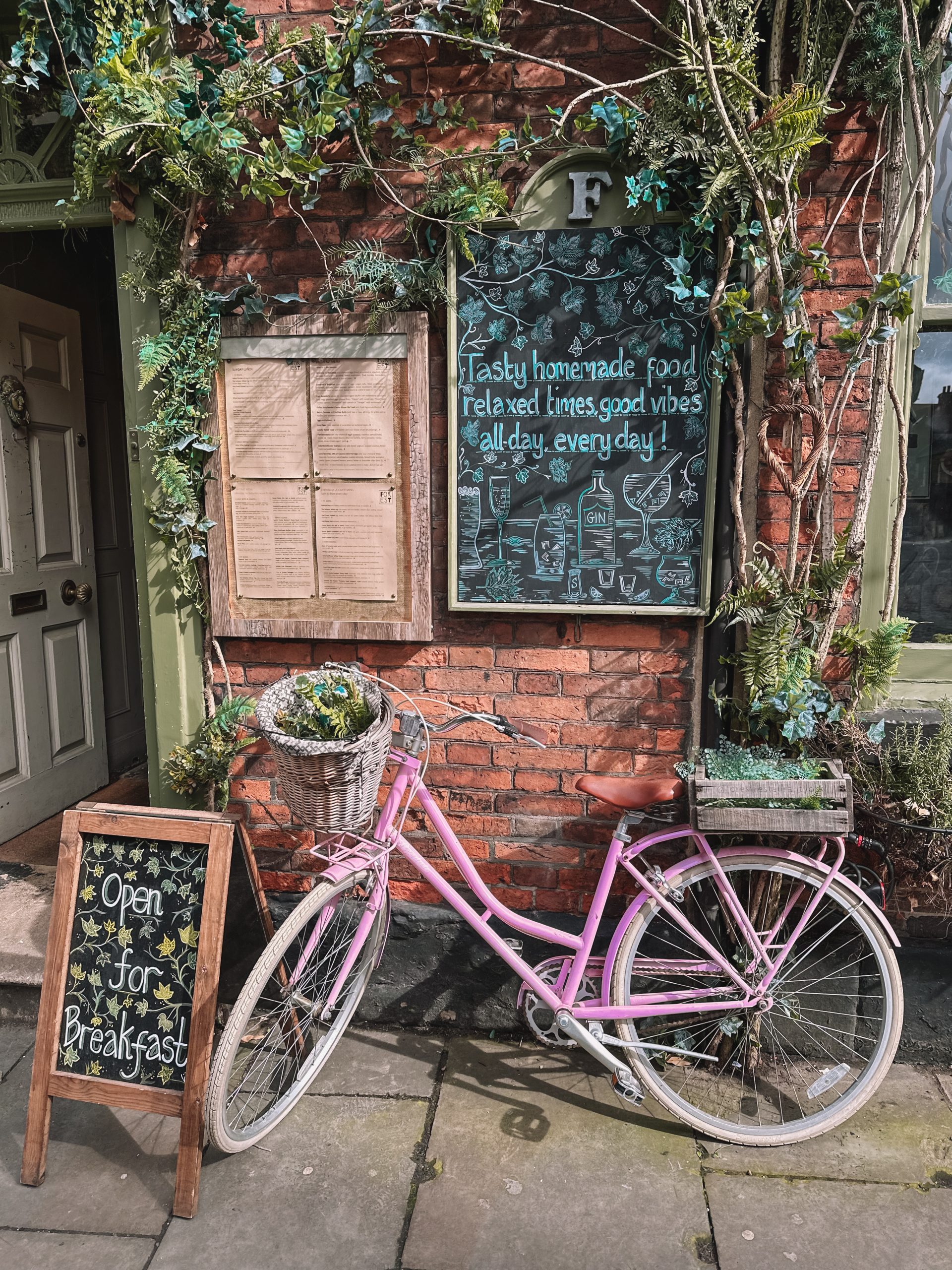

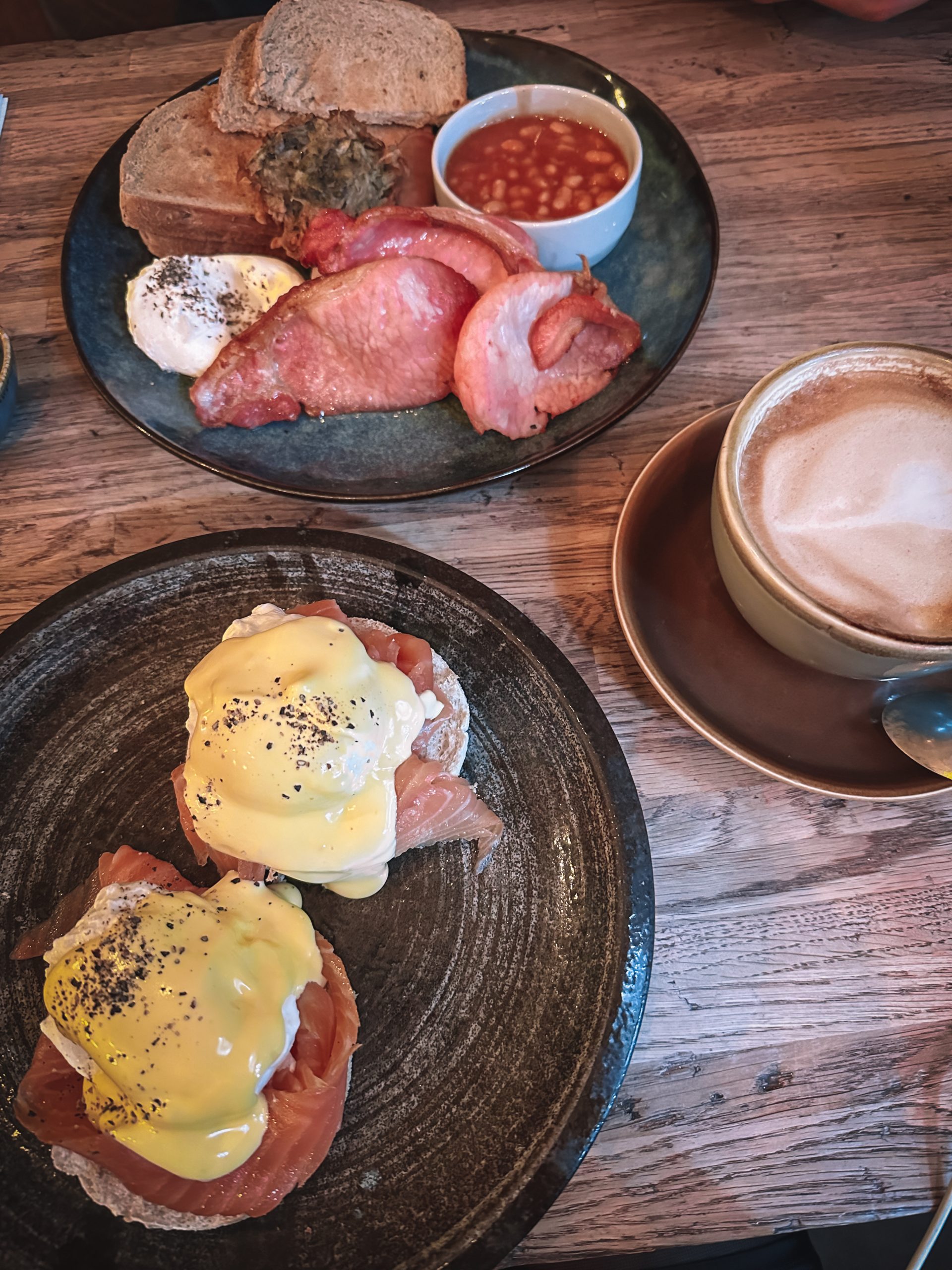
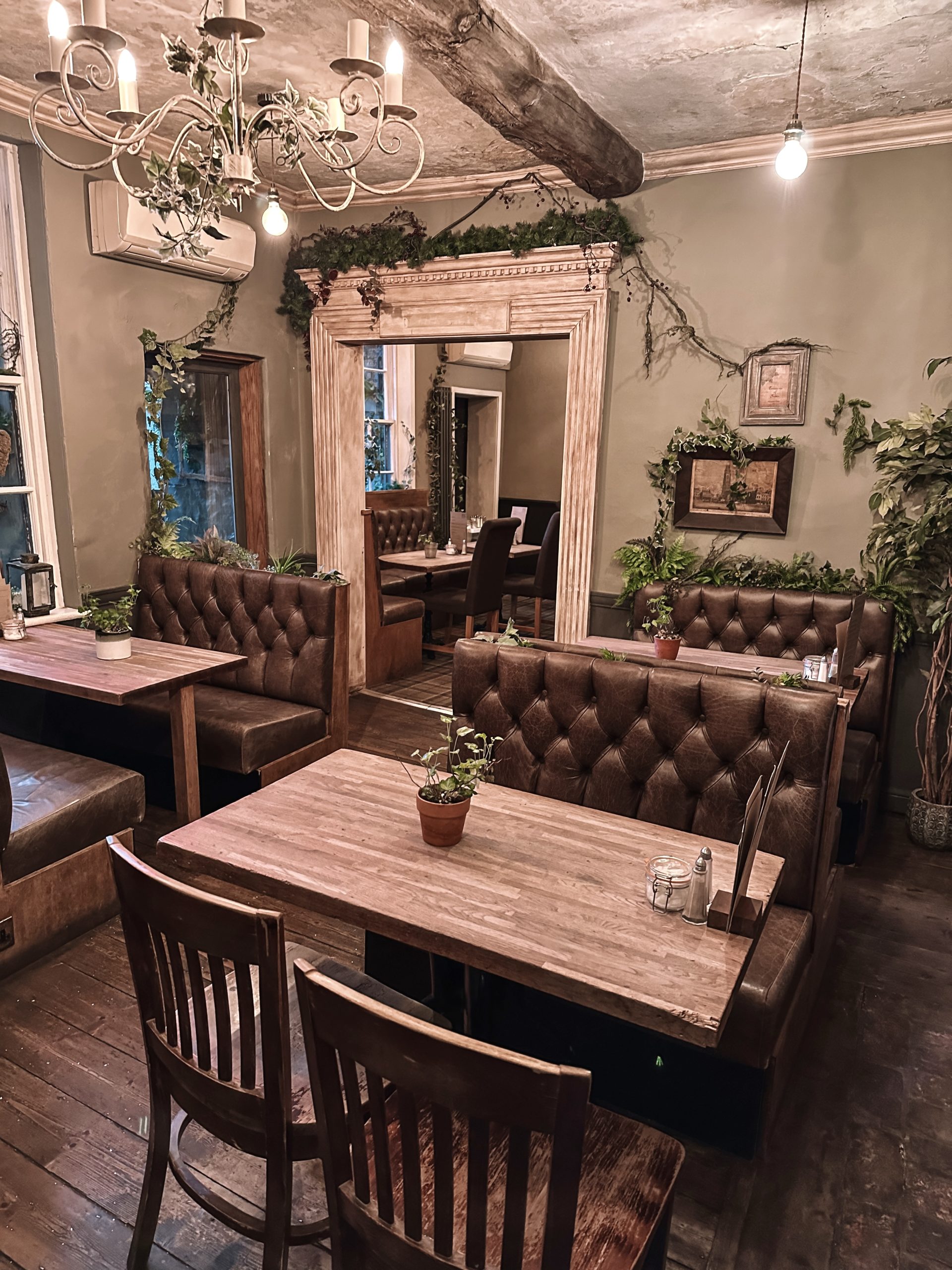
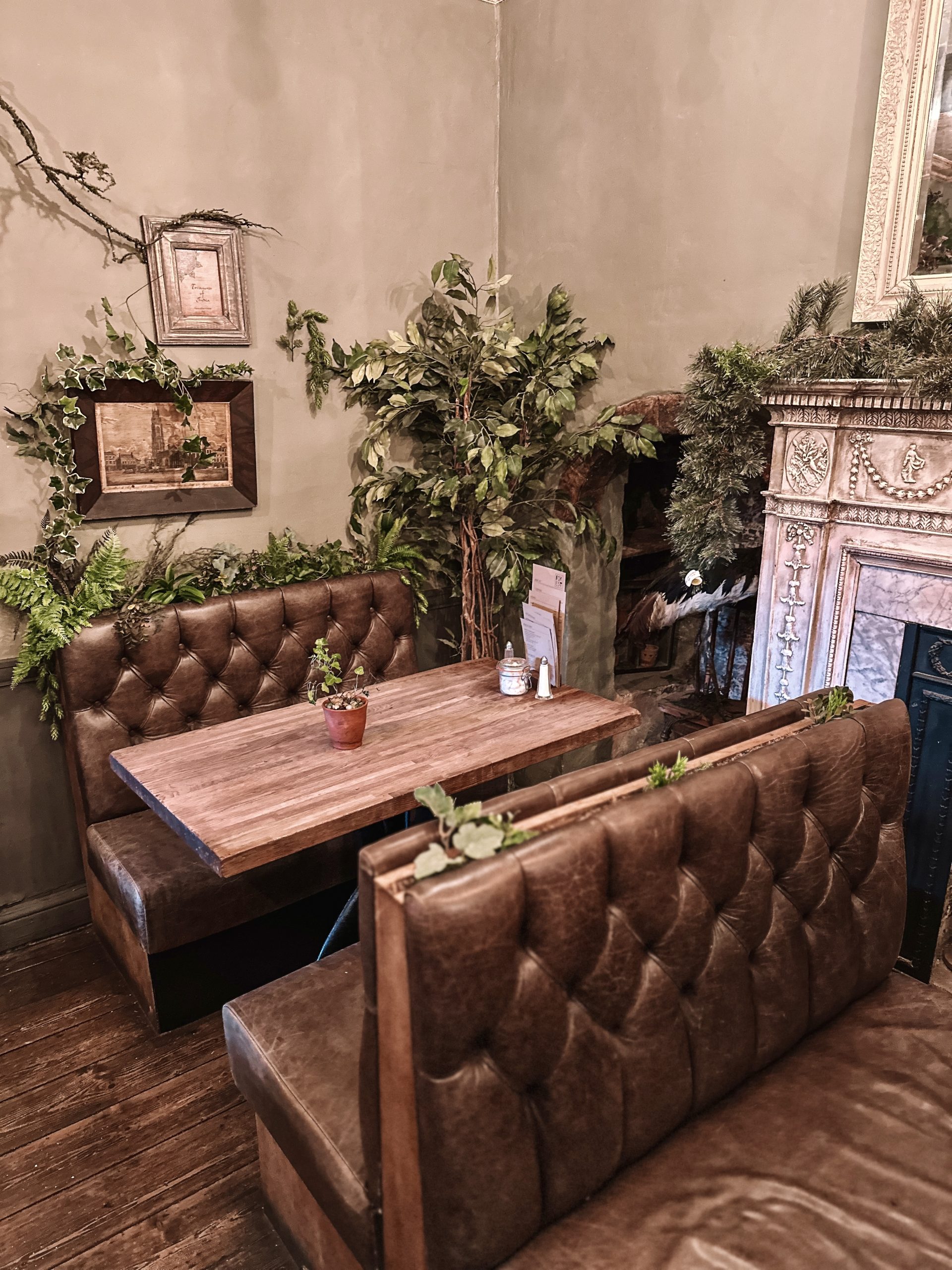
📍 Address: Forest at Galtres Lodge, 54–56 Low Petergate, York YO1 7HZ, United Kingdom.
The Rise at The Grand, York: Where Five-Star Glamour Meets Yorkshire Heart
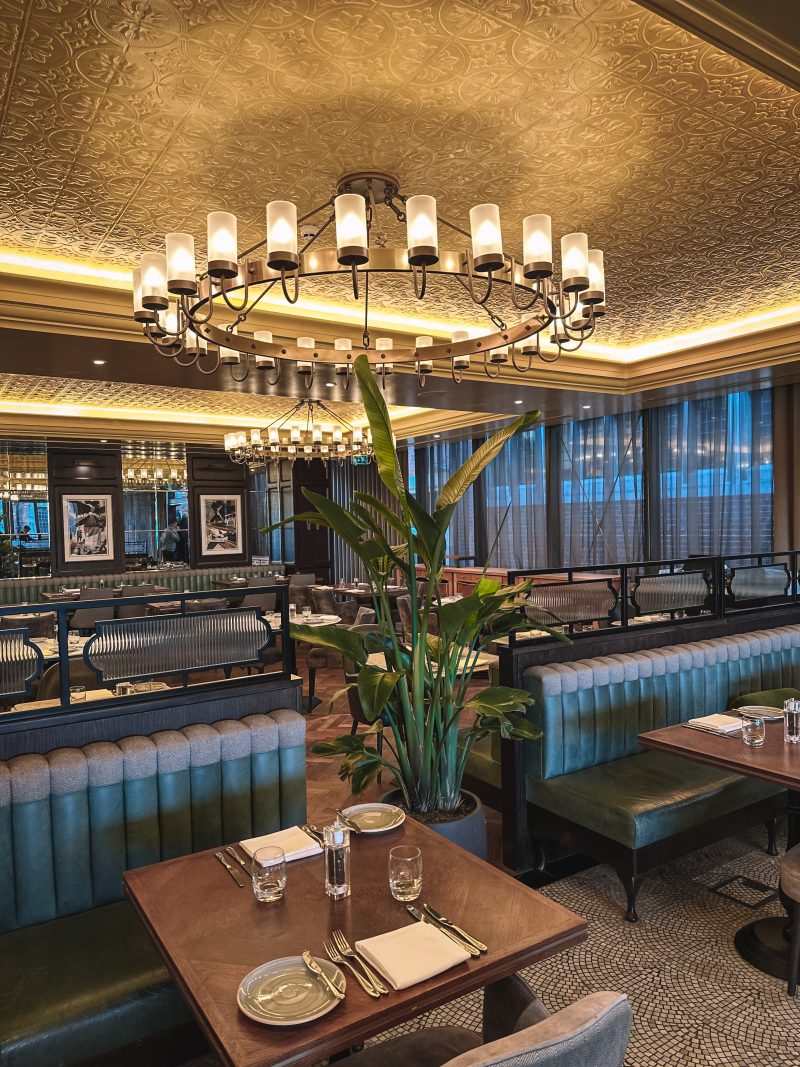
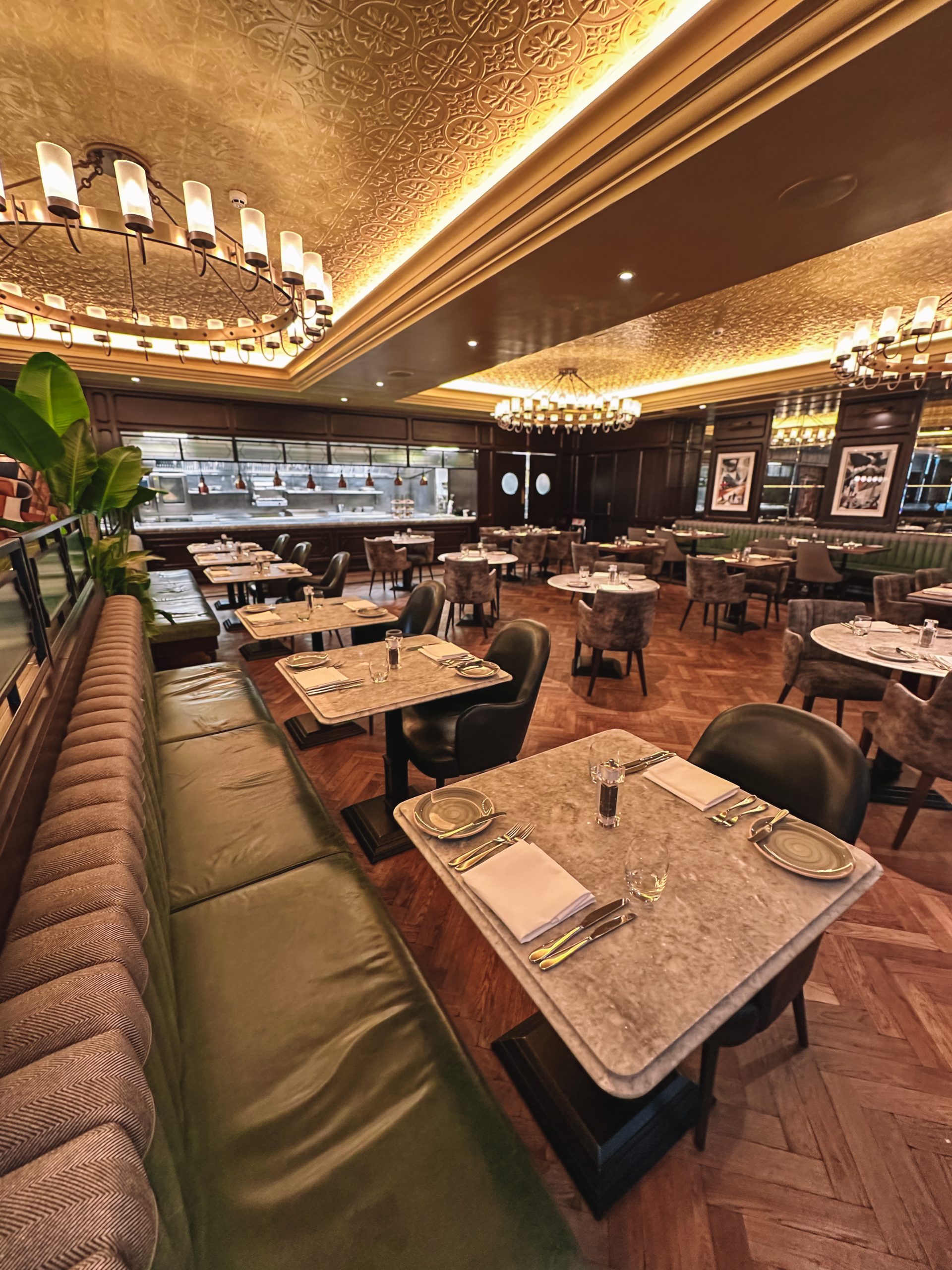
AA Rosette awarded The Rise Restaurant Terrace & Bar is situated within Yorkshire’s 5 Star Hotel, The Grand York. It offers modern British cuisine freshly prepared in the open kitchen. The restaurant interiors have been inspired by York’s local heritage, creating a soft industrial dining room, combined with an open kitchen, cocktail bar, and heated garden terrace – perfect for alfresco dining.
The Grand itself was once the headquarters of the North Eastern Railway – a temple to Edwardian opulence, built in 1906 to impress both passengers and rivals. Today, its grandeur lives on in marble floors, sweeping staircases, and a dining room that hums with quiet confidence. The Rise’s interiors nod to York’s heritage with soft industrial touches, an open kitchen, and a heated terrace perfect for year-round alfresco dining.
No visit to The Rise Restaurant, Terrace & Bar would be complete without surrendering to its famous Afternoon Tea – a tiered tower of savoury delights, warm scones, and patisserie creations that look almost too pretty to eat (almost). Served on gleaming silver stands, it’s a feast for both eyes and taste buds, with optional Champagne, Prosecco, or even a cheeky G&T upgrade for those who believe tea should always come with bubbles.
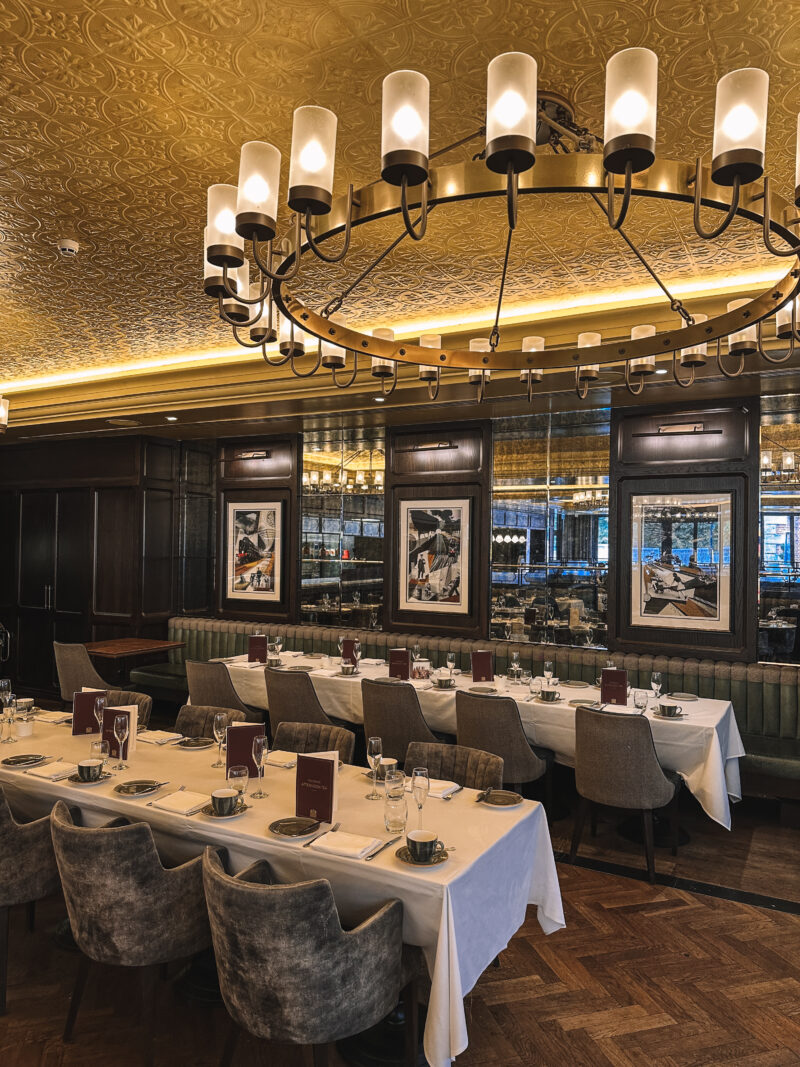
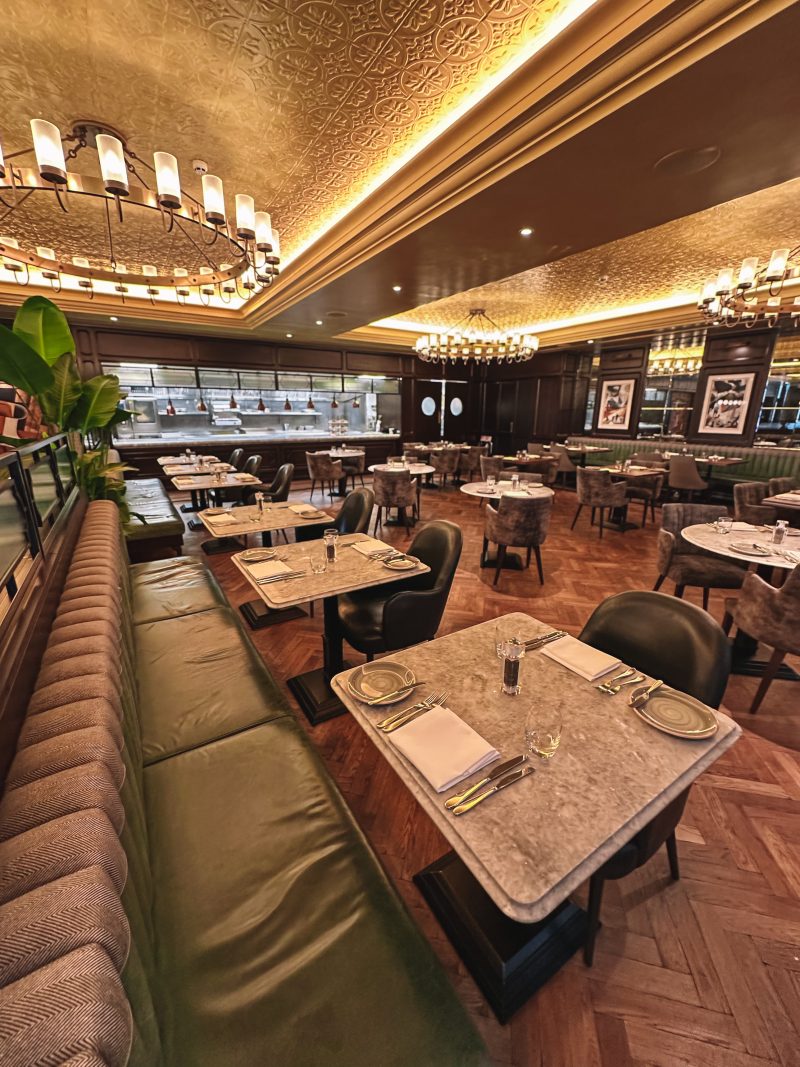
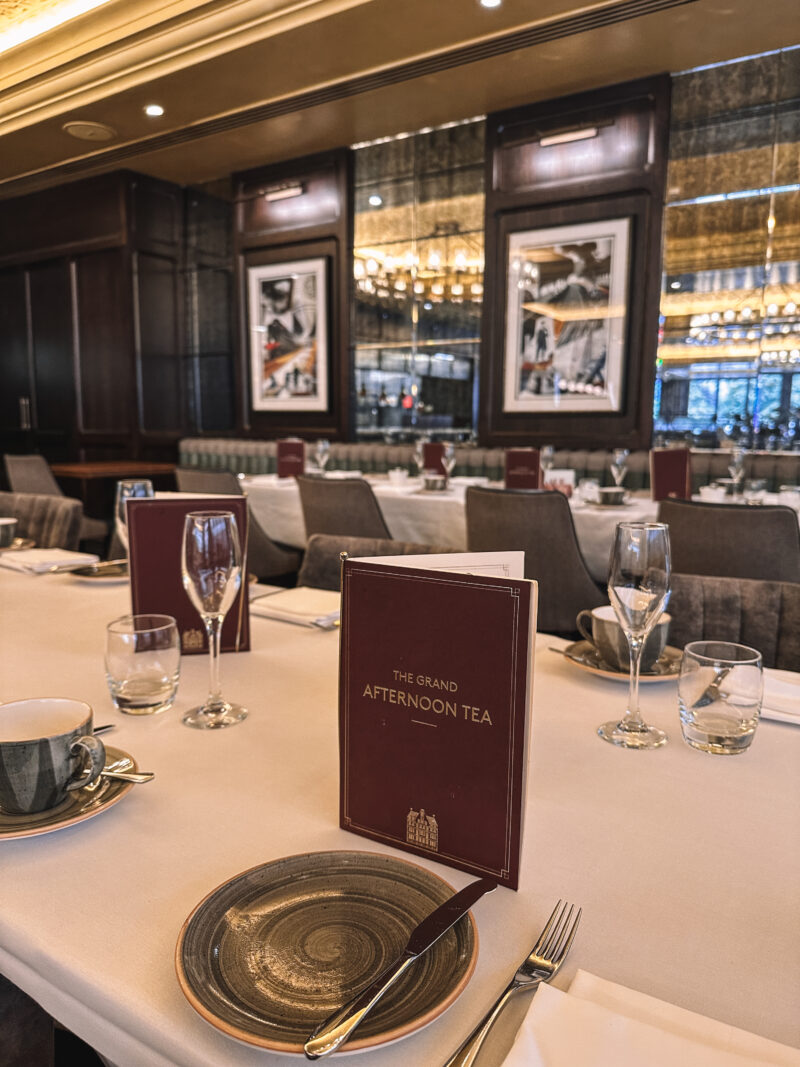
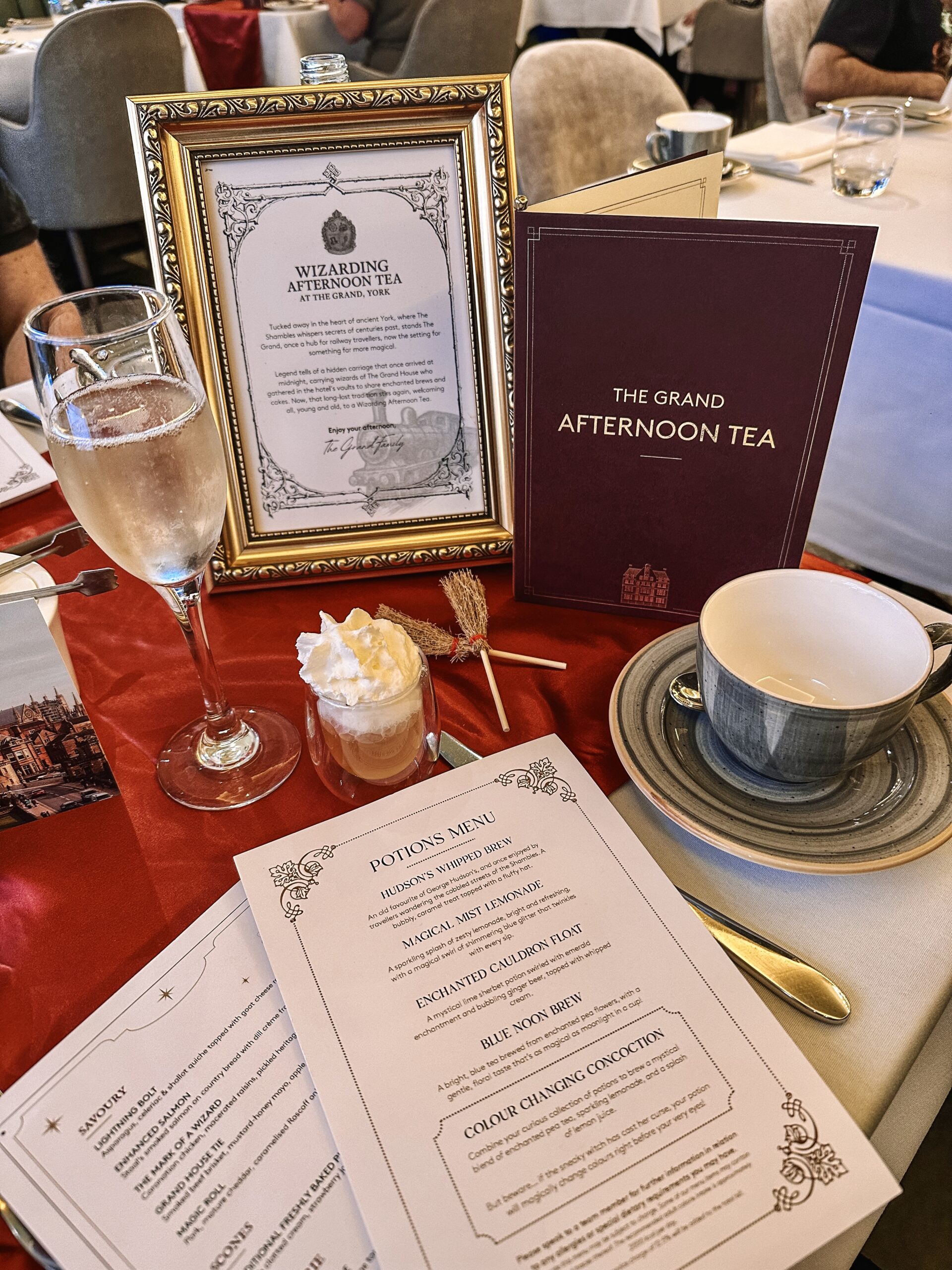
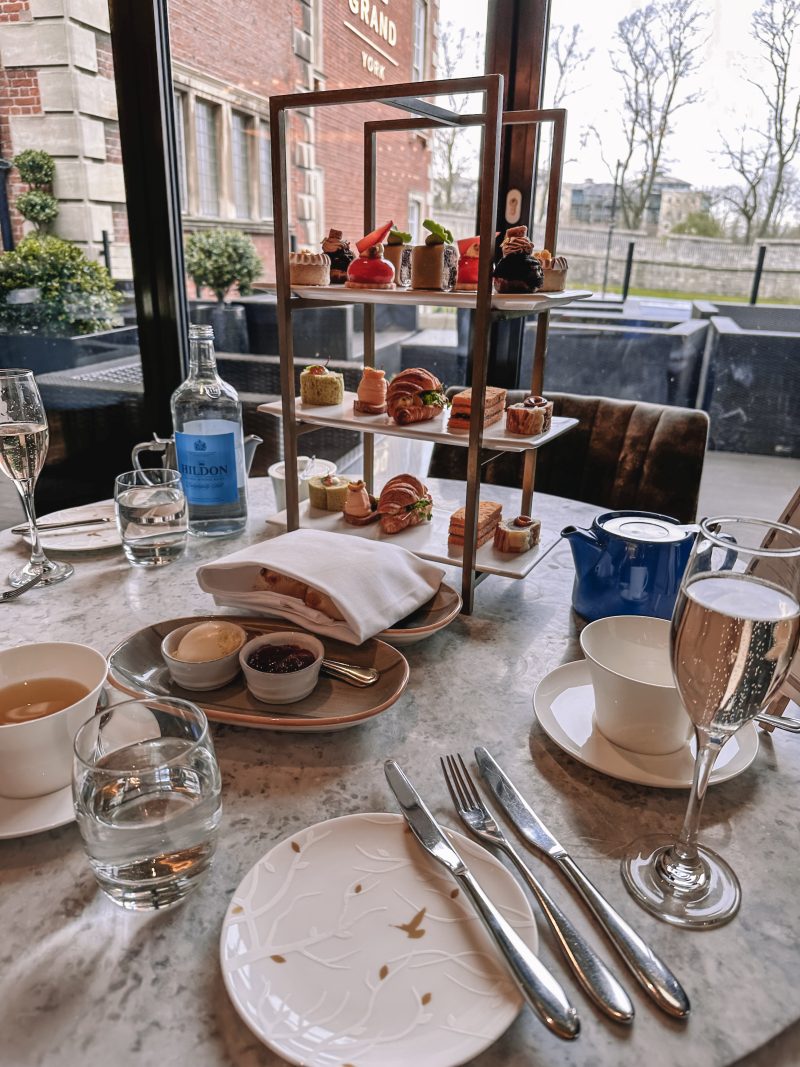



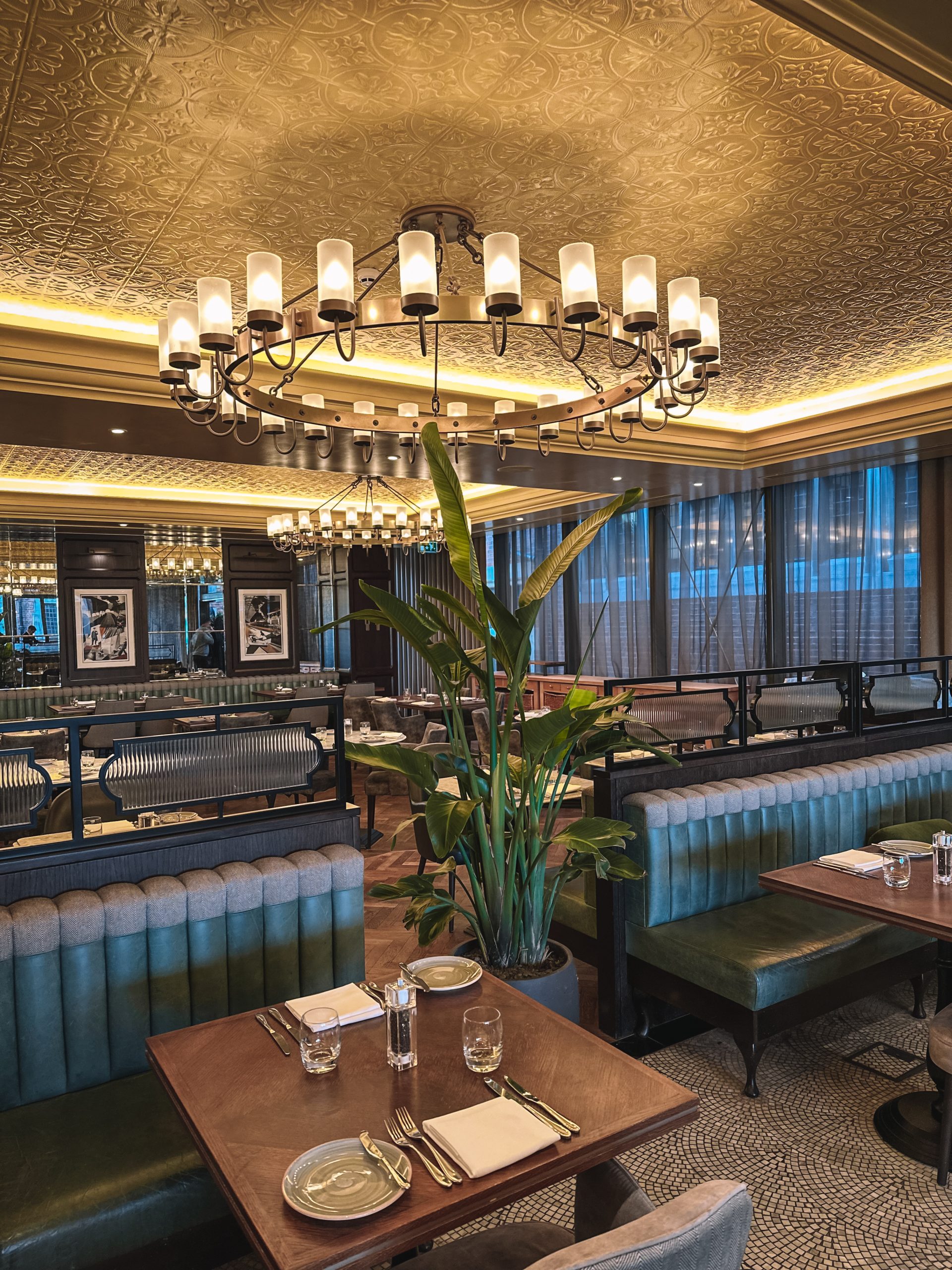

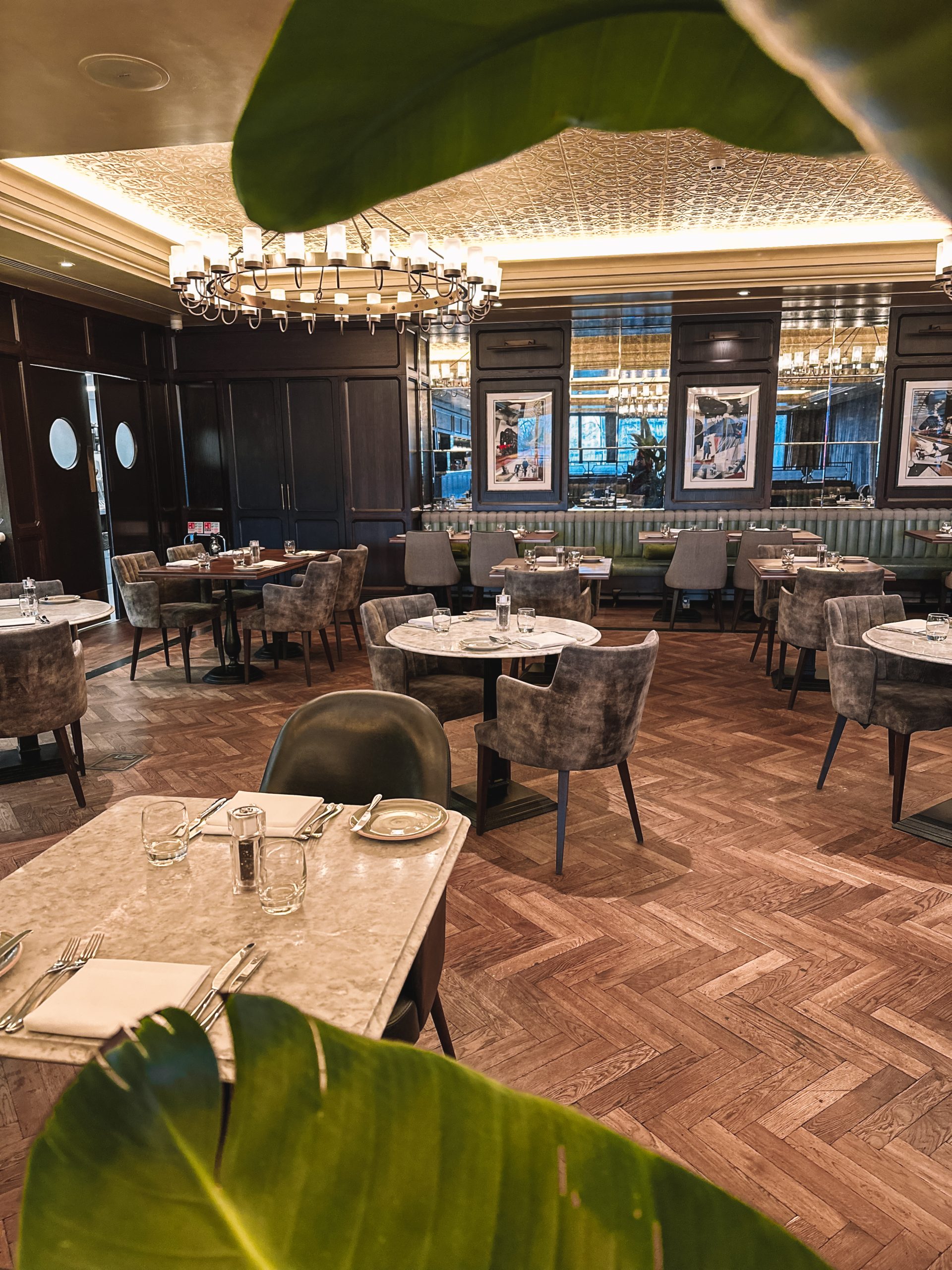
Book an afternoon tea, linger over the last crumbs, then step straight out to explore the city walls – a perfect pairing of indulgence and history.
📍 Address: The Rise Restaurant, Terrace & Bar, The Grand, Station Rise, York YO1 6GD, United Kingdom.
SOPHiE: Where Coffee Meets Curiosity on the Bridge
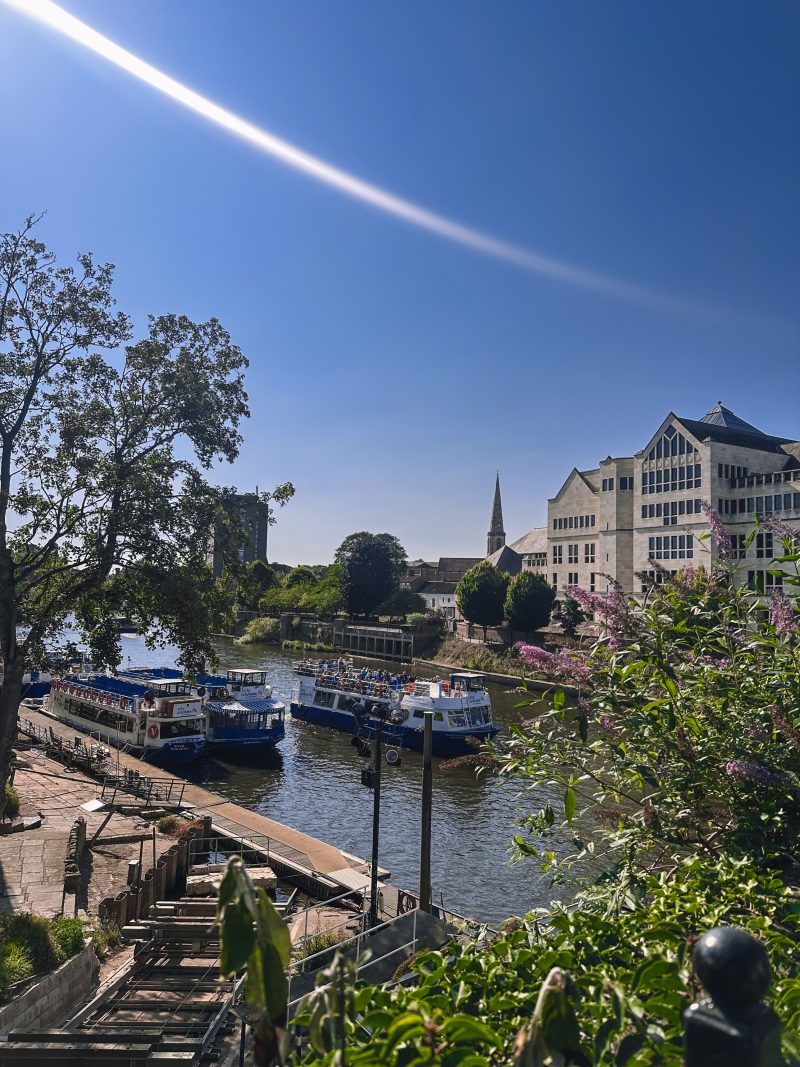
Perched like a curious thought on the edge of Lendal Bridge, SOPHiE is York’s most philosophical little gallery with a big personality.
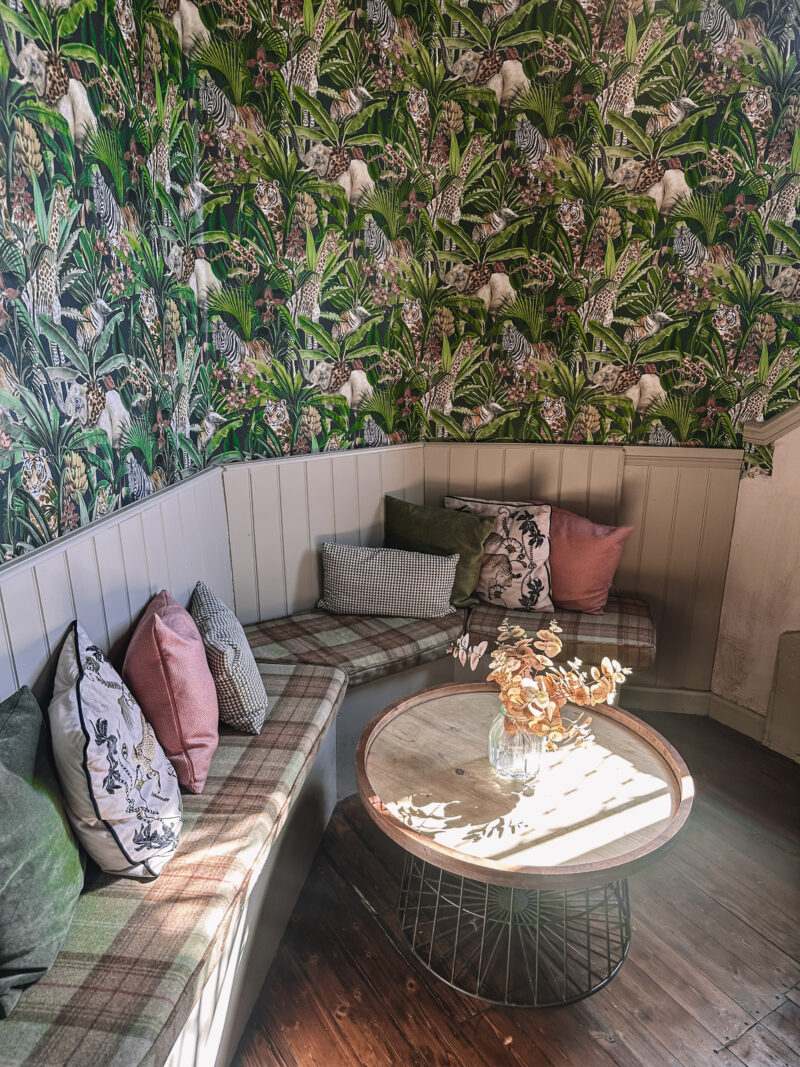
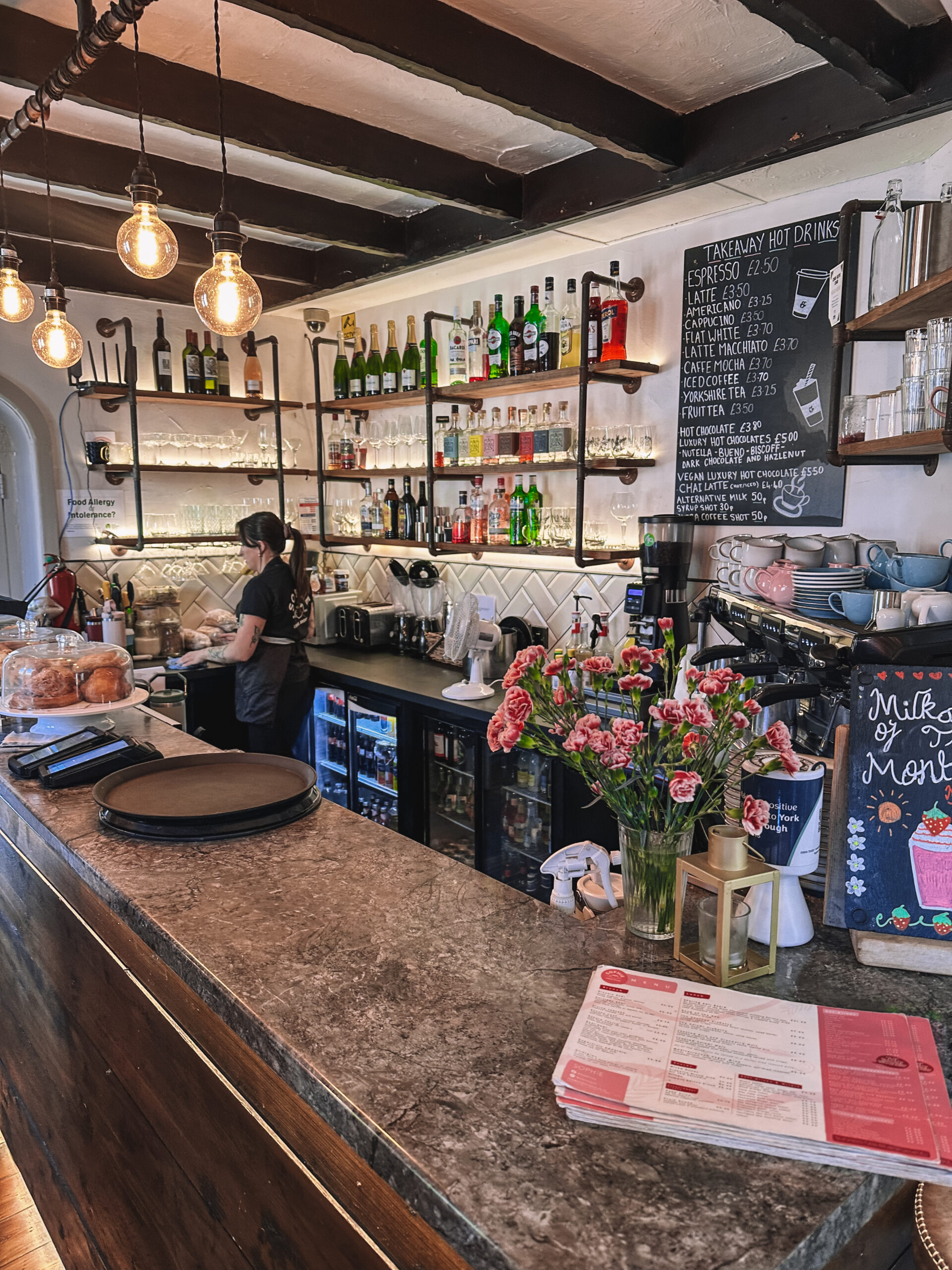
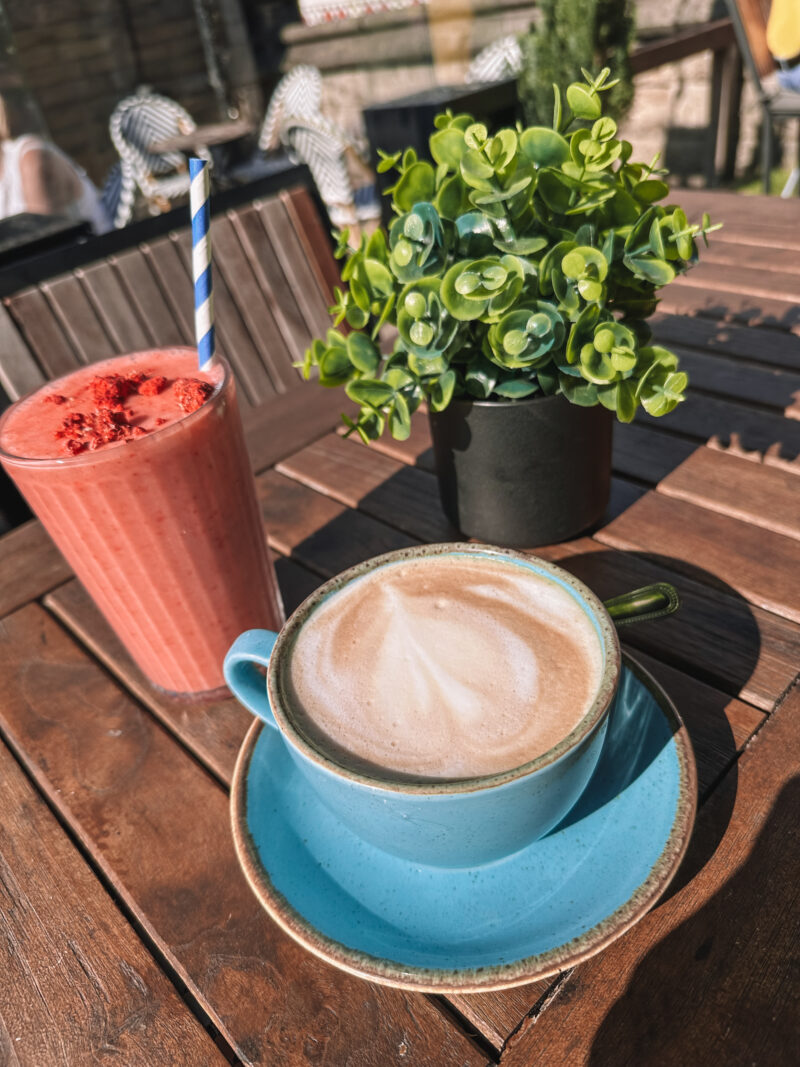
It’s a small, independently run business with two stunning locations in York – one perched on Lendal Bridge and the other recently opened on Skeldergate Bridge. SOPHiE serves up fine coffee, delectable cakes, and crafted cocktails, all with a personal and artistic flair. It’s not a gallery in the traditional sense, but rather a creative café experience that blends hospitality with a touch of philosophical charm.
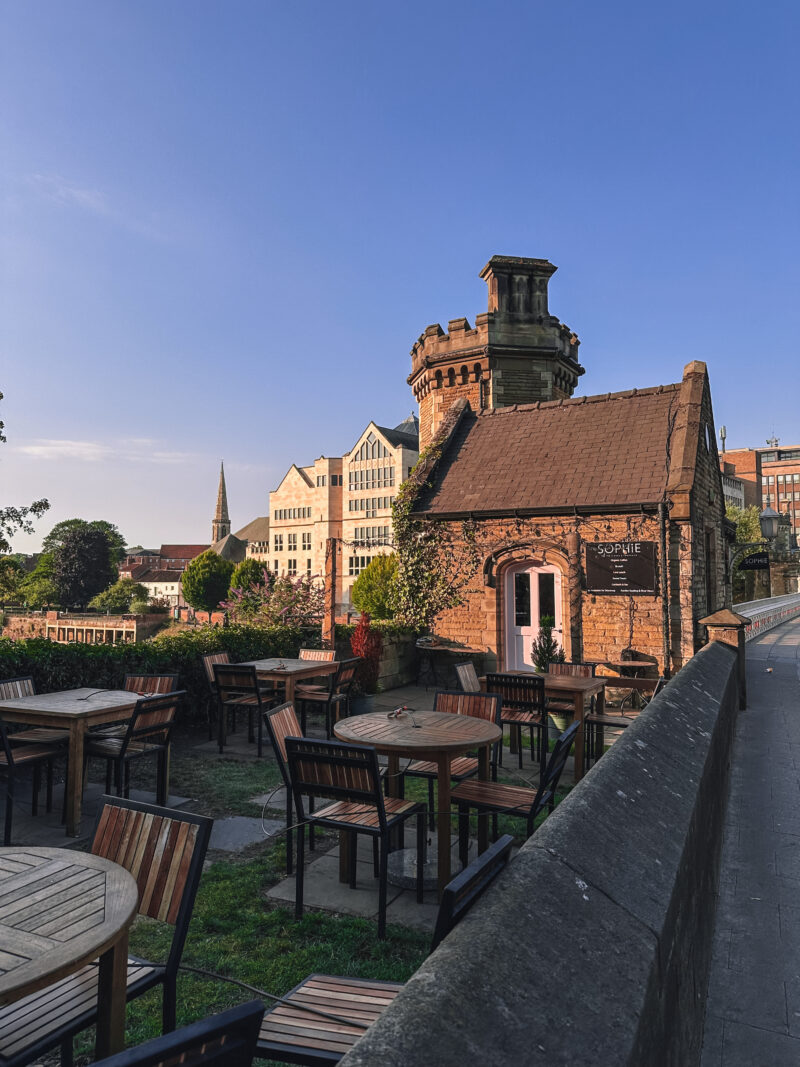
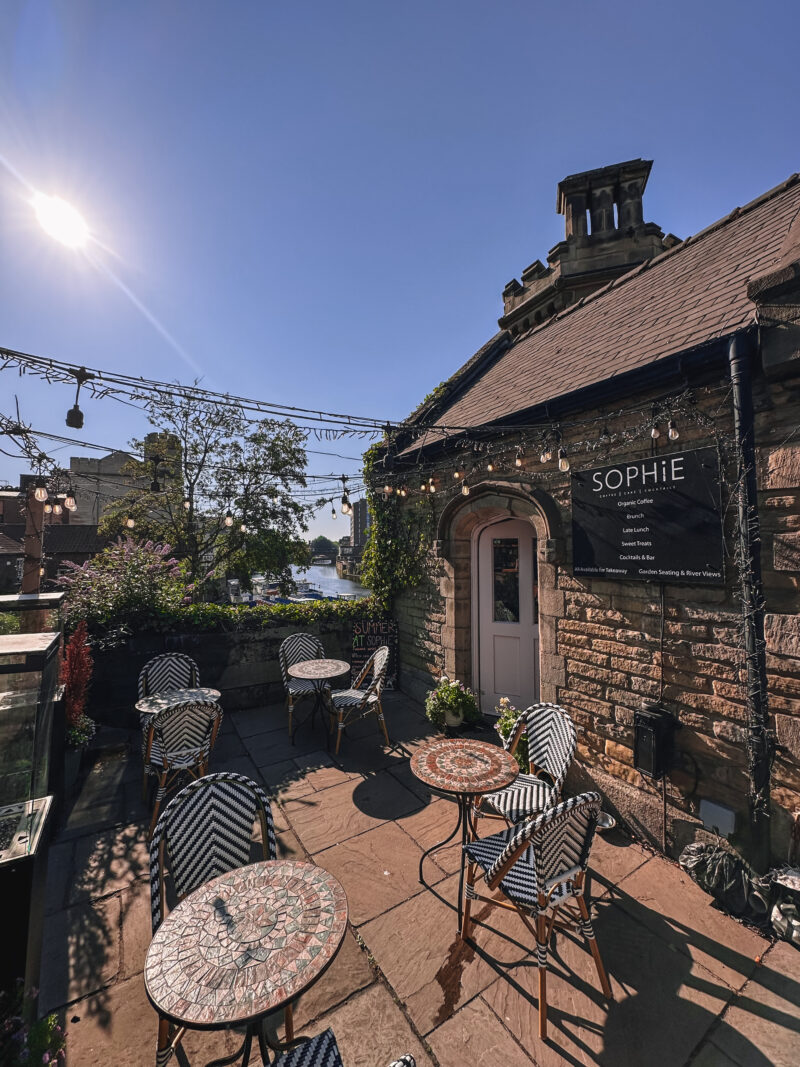


📍 Address: Lendal Bridge, York YO1 7DP
No Map, Just Magic: York’s Shopping Adventure
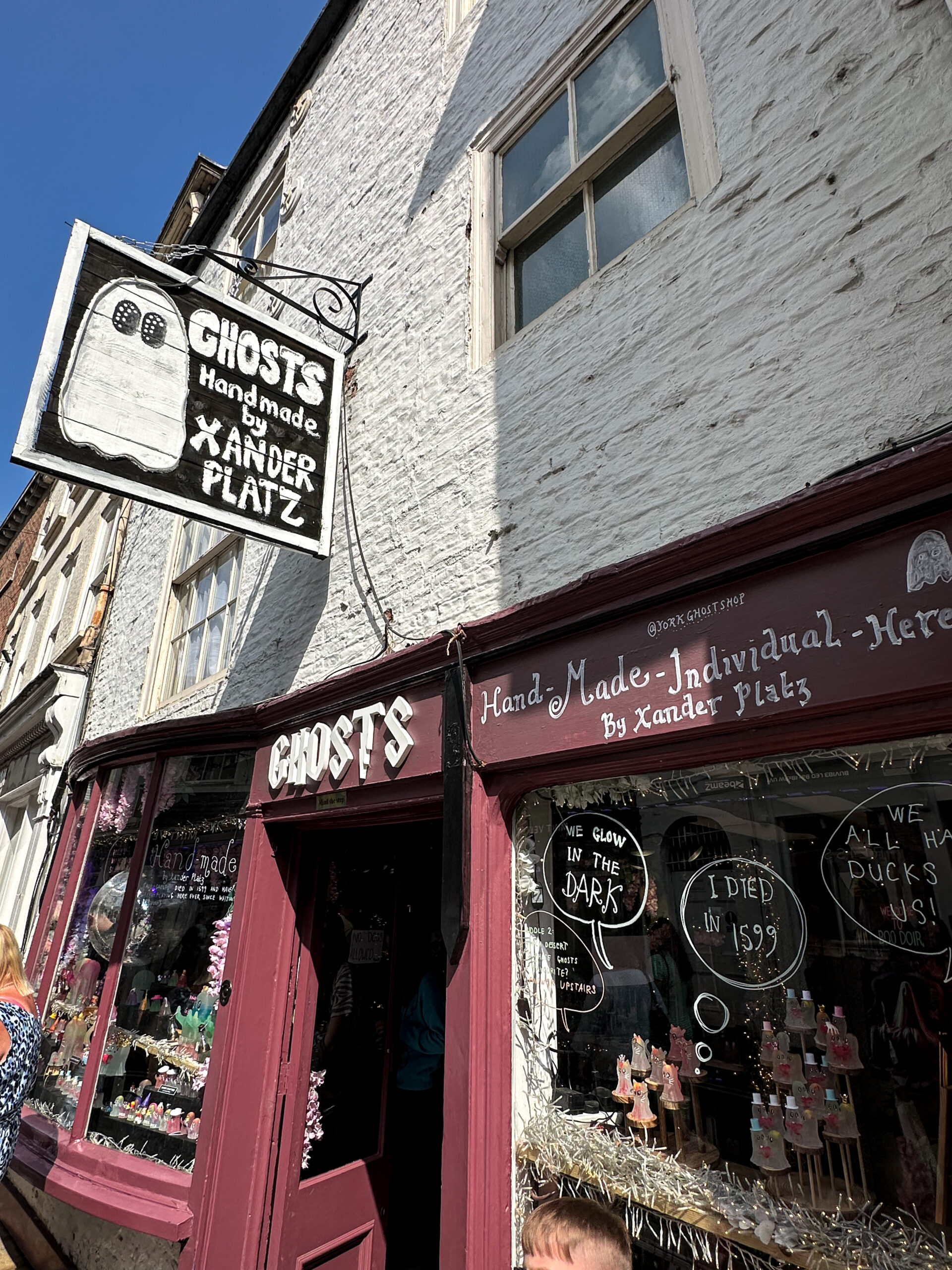
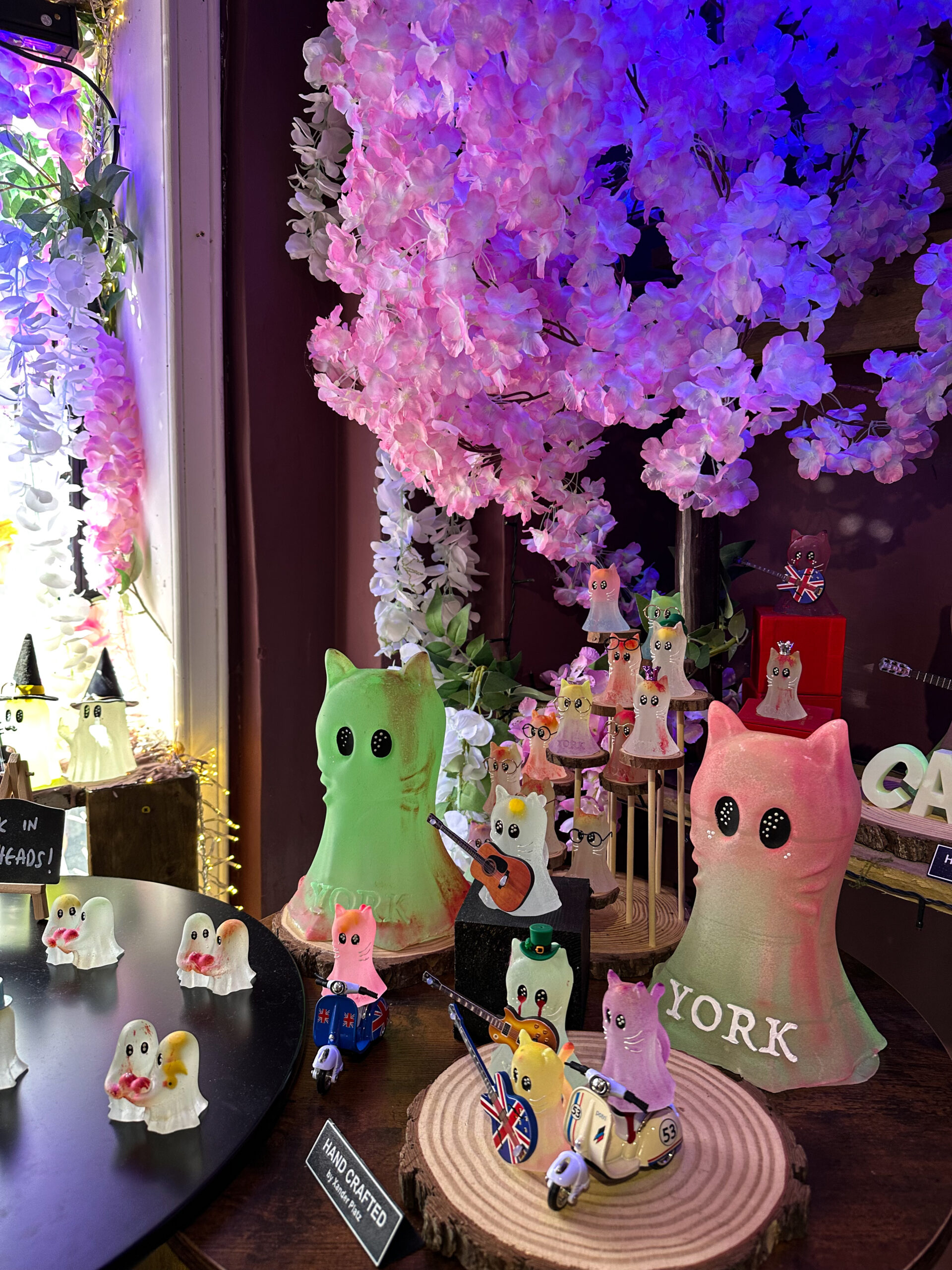
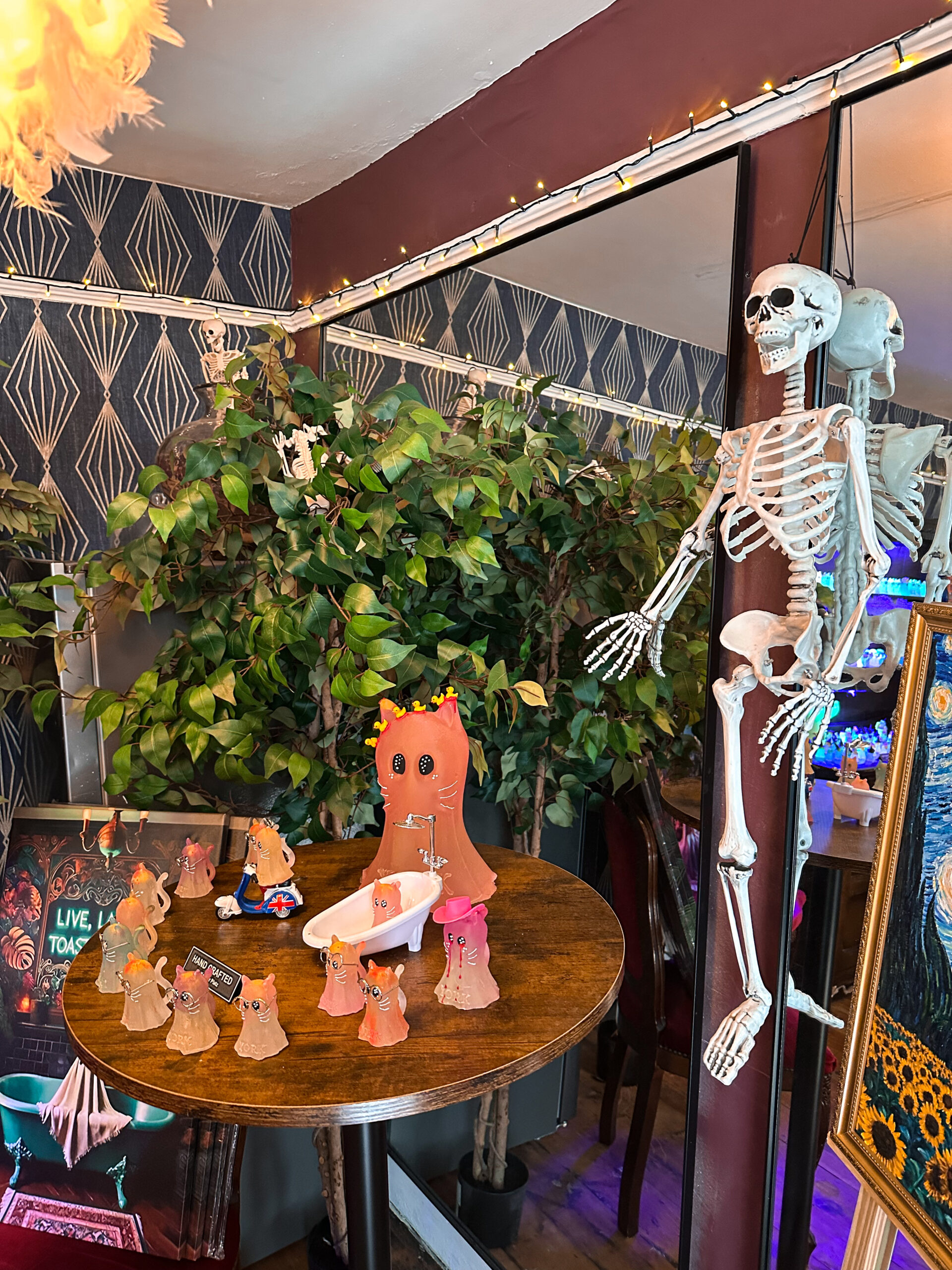
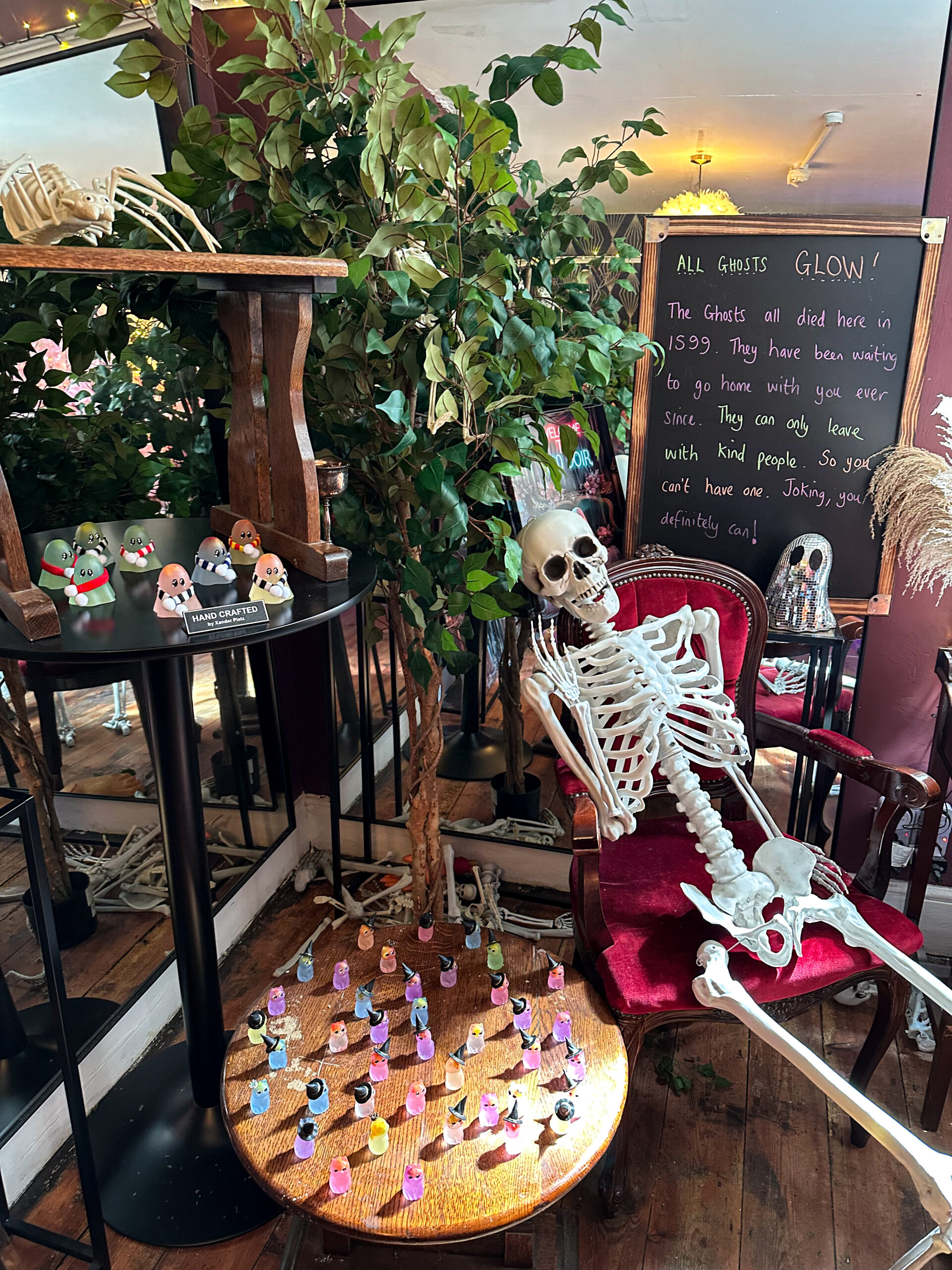
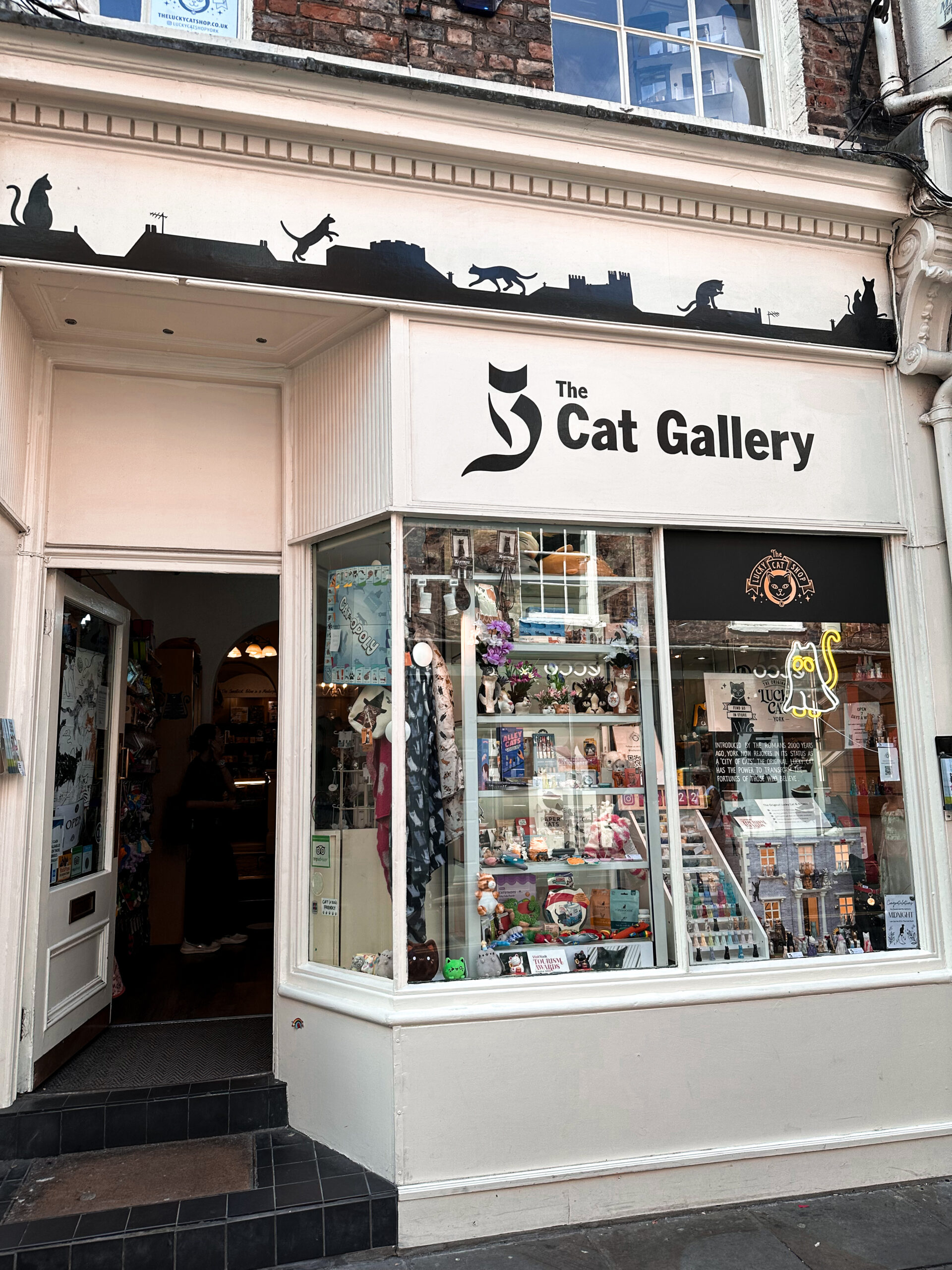
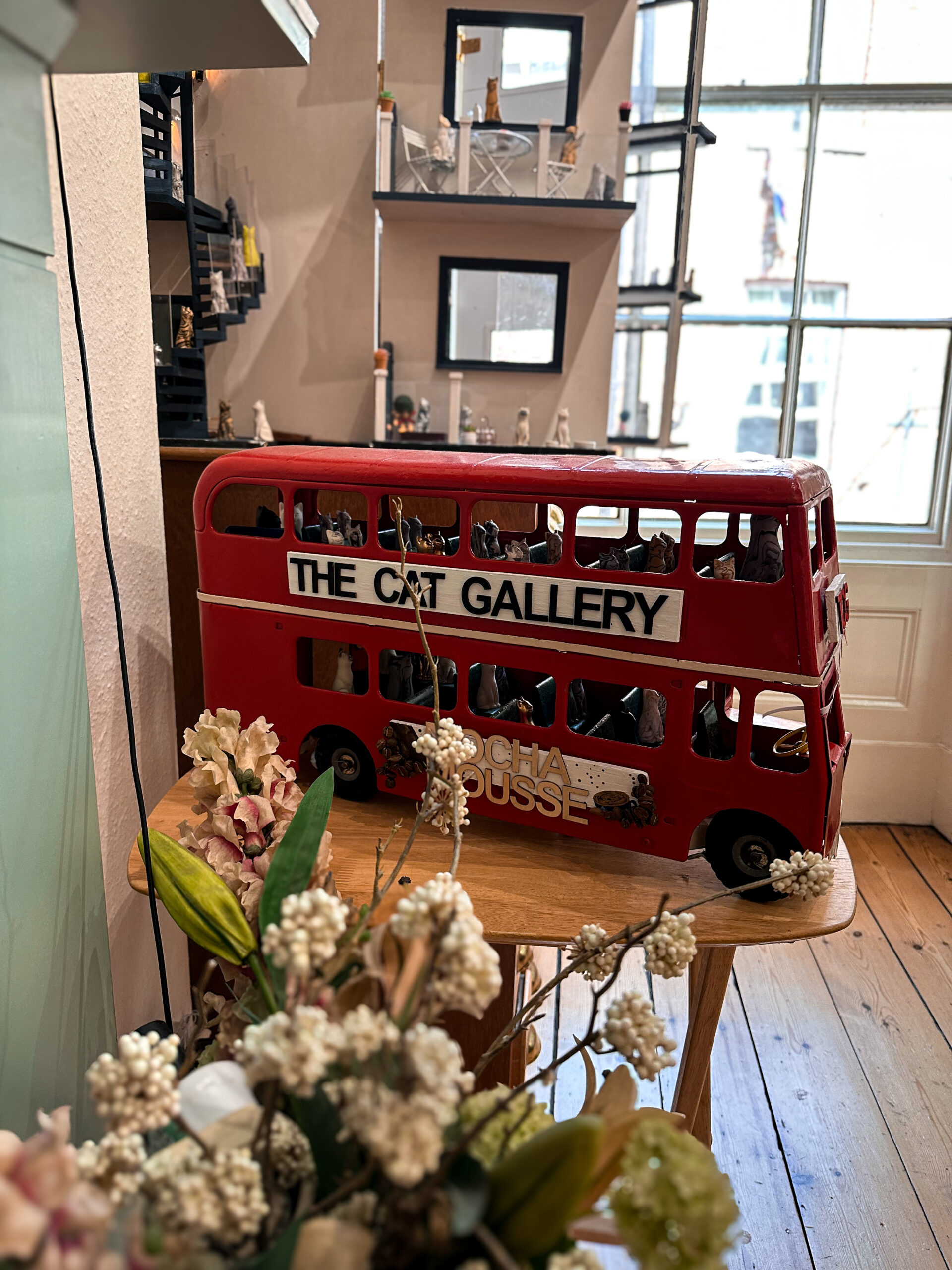
York isn’t just a city – it’s a treasure hunt with cobbled clues and ghostly giggles around every corner. One moment you’re admiring a handcrafted spectre in a shop that looks like it’s run by Victorian phantoms with a flair for interior design, and the next you’re knee-deep in potion bottles, Viking jewellery, or fudge so good it might be haunted too. With ghost merchants popping up like friendly apparitions and boutiques that seem to have been curated by eccentric time travellers, York’s shopping scene is a delightful descent into the whimsically weird.
And while the Shambles is the undisputed star of the show – with its crooked charm and spellbinding storefronts – don’t stop there. The real magic happens when you wander beyond, letting York’s winding streets reveal their hidden gems. Ditch the map, follow your curiosity, and let the city surprise you. Every alley is an invitation, every window a wink – and every purchase a story waiting to be told.
Why York Will Steal Your Heart
York isn’t just a city you visit – it’s a city that happens to you. One moment you’re sipping tea in a centuries-old tearoom, the next you’re tracing Roman walls, ducking into a medieval snickelway, or gliding down the Ouse as the Minster glows in the distance. Its history is worn proudly in its stones, yet it hums with a modern energy – from inventive dining and boutique shopping to festivals that turn the streets into a stage.
This is a place where every turn offers a story, every building has a secret, and every meal feels like an occasion. Whether you come for the riverside rambles, the world-class heritage, the cosy pubs, or the sheer romance of its skyline, York has a way of making you feel like you belong here – even if it’s your first visit.
So pack your curiosity (and perhaps an extra pair of shoes for those cobbles), and let York work its magic. You won’t just take home photographs – you’ll take home a piece of the city’s soul.


Oh wow York looks like a wonderful city to visit. So much to do and I love the small town feel. And how cool you can go up to the top of the tower. And LOVE seeing the old trains. The cafes and good look excellent. And I must say some of those sides streets have some major Harry Potter vibes going on.
Allie of
http://www.allienyc.com
Author
Thank you Julia. I would love to go back soon. Beautiful city xx
I haven’t been to York in a while, but I loved the Shambles. Your photos are so beautiful and I would love to try all these restaurants!
Julia x
https://www.thevelvetrunway.com/